2026 Top Teacup Maltese Dog Care Tips for Global Buyers?
Finding the perfect care strategies for your Teacup Maltese Dog can be challenging. These tiny, elegant dogs require specific attention to thrive. As a global buyer, understanding their unique needs is essential. Teacup Maltese Dogs are affectionate and intelligent, but they are also sensitive.
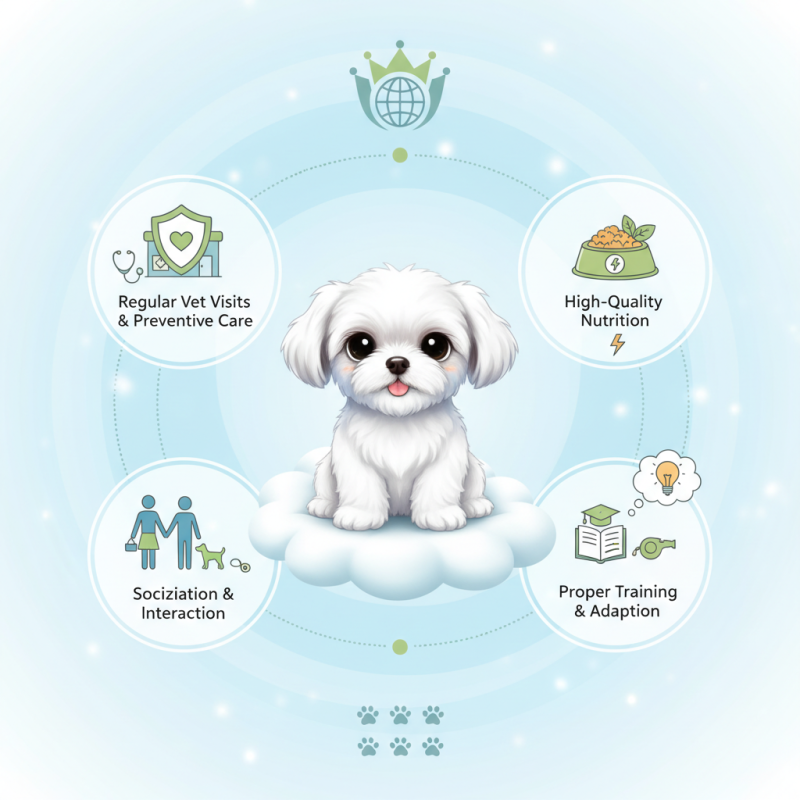
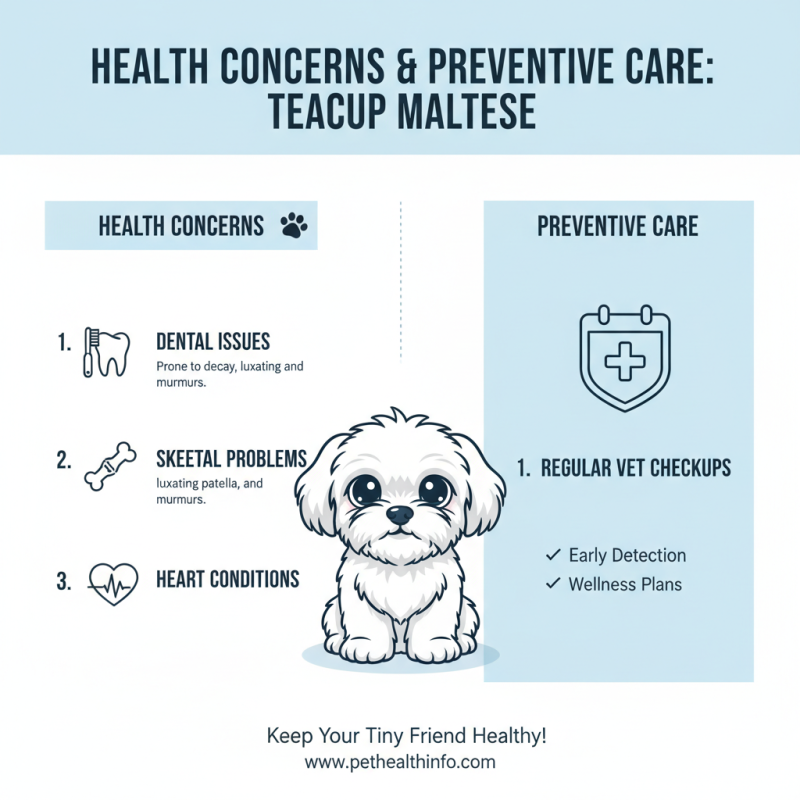
Adopting a Teacup Maltese Dog means committing to their health and well-being. Regular vet visits are crucial. These little companions may face health issues, so preventive care is vital. Nutrition plays a significant role, too. Providing high-quality food helps maintain their energy levels.
Socialization is another important aspect. Teacup Maltese Dogs benefit from interaction with people and other pets. This can prevent behavioral problems. However, proper training is necessary to ensure they adapt well. Always remember, the more informed you are, the better you can care for your furry friend.
Essential Nutritional Requirements for Teacup Maltese Dogs
Teacup Maltese dogs require special care. Their tiny size makes them fragile. Owners must pay close attention to their nutritional needs. A balanced diet is essential for their health. High-quality dog food should be the foundation of their meals. Look for options rich in proteins, vitamins, and minerals. These nutrients support their growth and general well-being.
Hydration is another vital aspect. Ensure your Teacup Maltese has fresh water available at all times. Sometimes, they might not drink enough on their own. This can lead to health issues, including kidney problems. Monitor their water intake regularly. Because they are small, they can easily become dehydrated.
Portion control is crucial as well. Teacup Maltese can easily gain weight. This extra weight can lead to joint issues and other health concerns. Feeding them small, frequent meals may help manage their weight. It's also beneficial for digestion. Always consult with a veterinarian for personalized nutrition advice. Their expertise can guide you in making the best choices for your little companion.
Grooming and Coat Care Techniques for Teacup Maltese
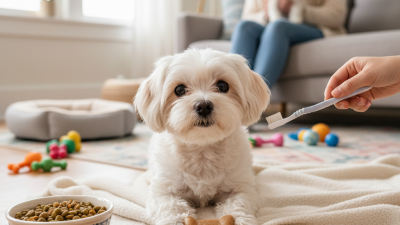
Grooming a Teacup Maltese requires dedication and attentiveness. These tiny dogs have long, flowing coats that can easily become tangled. Daily brushing is essential to prevent knots and mats. A slicker brush works wonders in removing loose hair. It's important to be gentle, as their skin is sensitive. Bathing is recommended every three to four weeks. Use a mild, pet-friendly shampoo to protect their skin.
Trimming their hair keeps their coat looking tidy. Regular visits to a groomer can help maintain a neat appearance. Focus on the areas around the eyes and paws, as these tend to mat quickly. Using a high-quality conditioner can enhance their coat's softness.
Beyond grooming, maintaining dental hygiene is crucial. Teacup Maltese are prone to dental issues. Regular tooth brushing helps prevent plaque buildup. Additionally, offering safe dental chews can encourage oral health. Each dog is unique, and grooming needs may vary. Experiment to see what works best for your pet.
2026 Top Teacup Maltese Dog Care Tips for Global Buyers
This bar chart illustrates the importance level of various care tips for Teacup Maltese dogs, based on grooming frequency, bathing frequency, nutritional needs, daily exercise time, and annual vet check-ups. The importance level ranges from 1 (least important) to 5 (most important).
Training and Socialization Strategies for Teacup Maltese
Training and socialization are crucial for Teacup Maltese dogs. These tiny dogs often display a bold personality despite their small size. Early exposure to various environments and people is essential. It can help them grow into well-adjusted companions. Regular interactions with other pets can also enhance their social skills.
Positive reinforcement works wonders for training Teacup Maltese. Treats and praises encourage desired behaviors. However, patience is vital. Some dogs may resist learning new commands. In these moments, it is important to remain calm and consistent. Using short training sessions keeps their attention focused.
Socialization should continue throughout their life. Consider enrolling in puppy classes or schedule playdates. These experiences help reduce anxiety and promote confidence. However, not every interaction will be perfect. Some may be hesitant or fearful. Recognizing these signs is important for their well-being.
Creating a Safe Living Environment for Teacup Maltese Dogs
Creating a safe living environment for Teacup Maltese dogs is essential for their well-being. These tiny dogs are fragile and require a living space that minimizes risks. Start by securing all areas of the home. Small gaps or high ledges can be dangerous. Use baby gates to keep them out of harmful areas. Regularly check for loose wires or small objects on the floor that they could swallow.
Another crucial aspect is temperature control. Teacup Maltese dogs are sensitive to extreme conditions. Ensure your home is neither too hot nor too cold. A cozy bed in a comfy spot can provide a sense of security. However, be mindful that too many blankets can overheat them. It's essential to strike a balance between warmth and comfort.
Socialization is vital for these dogs, but it can be a challenge. Introducing them to new experiences must be done gradually. Always supervise interactions with other pets or children. Teacup Maltese are prone to anxiety; loud noises can distress them. Create a quiet zone where they can retreat when they need solitude. Observing their behavior can guide you in refining their environment for the best possible care.