2026 Top Automatic Ball Thrower Models for Dog Owners and Trainers?
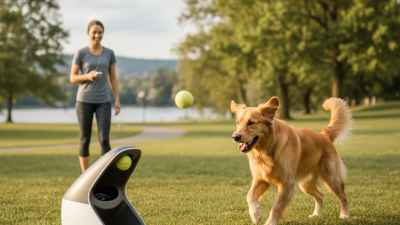
As pet ownership continues to rise, with over 67% of U.S. households owning a dog, finding effective ways to keep them engaged is vital. Automatic ball throwers have emerged as a game-changing solution for dog owners and trainers. Reports indicate that these devices can significantly enhance a dog's playtime and exercise, ensuring both physical and mental stimulation.
The global market for automatic pet products is expected to grow. Industry insights reveal that the demand for innovative pet care solutions is on the rise. Automatic ball throwers not only promote fitness but also foster a strong bond between owners and their pets. These devices can throw balls at various distances, catering to dogs of all sizes and energy levels.
Despite their advantages, it's essential for dog owners to reflect on the limits of technology. Not every dog may respond positively to automated play. Understanding your dog's individual preferences is crucial in selecting the right automatic ball thrower. Striking a balance between manual interaction and automated play can lead to a happier, healthier pet.
Overview of Automatic Ball Throwers for Dogs in 2026
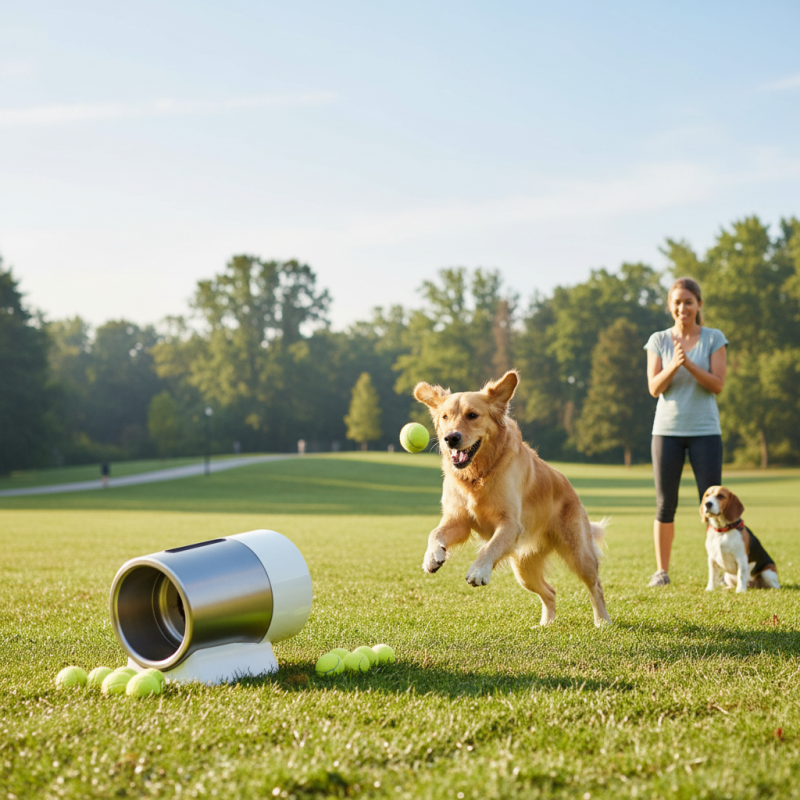
In 2026, automatic ball throwers for dogs have evolved significantly. These devices can toss balls at various distances, giving dogs the exercise they need. Many models now feature adjustable settings to cater to different dog breeds and their energy levels. Owners appreciate how these throwers minimize physical strain while keeping their pets active and engaged.
However, not all models are perfect. Some throwers may struggle with wet or slippery surfaces, causing misfires. Connectivity issues with smart devices can also occur, making setup frustrating. Additionally, the noise levels of some machines might startle shy dogs. These practical challenges remind us to thoroughly test any device before relying on it for playtime.
Dog trainers emphasize that interactive toys should complement, not replace, human interaction. It's vital for pet owners to balance automated play with manual engagement. Observing a dog’s response to the device offers insights into their preferences and behavior. This reflection helps refine which automatic thrower best fits their lifestyle and dog’s needs.
Key Features to Consider When Choosing a Ball Thrower
When choosing an automatic ball thrower for your dog, several features deserve attention. Start with the throwing distance. Some models launch balls over 30 feet, which keeps energetic dogs engaged. Others might only throw them a few feet. Consider your dog's size and energy level. If your dog is small, a shorter throw may suffice. Larger breeds often enjoy long throws.
Next, look for adjustable settings. Many throwers allow you to customize distances, which can cater to various play styles. This feature helps maintain interest and offers a quality workout. Additionally, ensure the device accommodates different ball sizes. Some throwers may require specific balls, limiting versatility. A model that works with standard tennis balls may save you money and hassle.
Battery life is another crucial factor. Dogs play hard, and an extended play session can drain batteries quickly. Opt for a model with a long-lasting battery or easy recharging options. Lastly, consider its portability. A lightweight design makes it easier to take to the park or on trips, while a sturdy build ensures longevity. Balancing these features will enhance your dog's play experience.
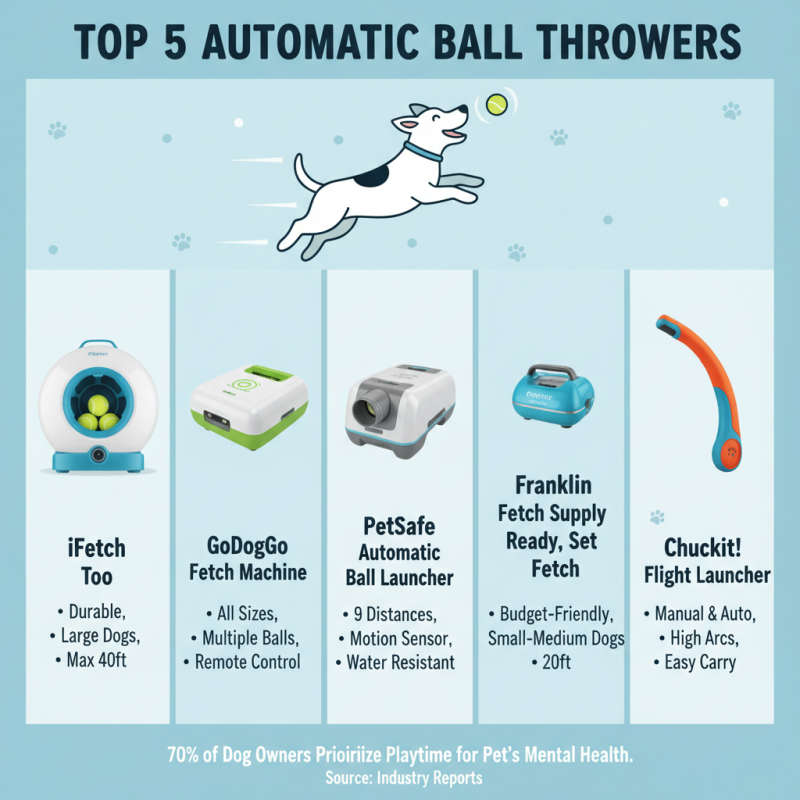
Top 5 Automatic Ball Thrower Models for Dog Owners
Automatic ball throwers are revolutionizing how we engage with our dogs. They not only save time but also provide extensive play opportunities. According to industry reports, about 70% of dog owners consider playtime vital for their pet's mental health. Automatic throwers can help facilitate that playtime, especially for busy owners.
The models on the market vary in features. Many boast adjustable throwing distances, allowing customization based on your dog’s size and energy levels. However, a critical reflection is on durability. Some owners report wear and tear quicker than expected. A common complaint is about the device's ability to handle wet balls, even though they are marketed as waterproof.
Additionally, the safety of these throwers is paramount. Some models can launch balls at surprisingly high speeds. Unexpectedly fast balls can lead to injuries. Thus, proper training is essential. The right choice may depend on a dog’s temperament. A dog that is overly excited might not be best suited for high-speed throws. Understanding your dog’s needs is crucial before selecting a model. Encourage safe play and ensure that each session is enjoyable and productive.
Comparison of Manual vs. Automatic Ball Throwers
When considering the optimal ball thrower for your dog,
manual and automatic models each offer unique advantages.
Manual throwers provide a direct way to engage with your dog.
They require physical interaction, allowing for bonding during play. However, they can be tiring for longer sessions.
You may need to take breaks, especially if your dog has high energy.
On the other hand, automatic throwers can provide endless fun.
They allow your dog to play independently. This can be especially useful if you’re busy or need a hands-free option.
Yet, some dogs may take time to adjust to the automatic system. You might observe curiosity at first,
with your dog perhaps initially hesitant to chase the ball.
Tips: Encourage your dog by throwing a ball manually before introducing an automatic thrower.
This can increase their confidence. Also, consider varying the distance at which the machine throws the ball.
This helps maintain your dog’s interest and keeps the game exciting. Remember to supervise your dog during play to ensure their safety around the device.
Tips for Training Dogs with Automatic Ball Throwers
Training dogs with automatic ball throwers can be an enjoyable experience. Successful training often begins with understanding your dog’s preferences and energy levels. Observe how your dog reacts to the ball thrower. Some dogs are more enthusiastic than others. A few might feel uncertain or scared at first. Take your time in introducing the device to them.
Start with short training sessions. Keep them fun and rewarding. Use treats to reinforce positive behavior. If your dog seems hesitant, try showing them how the ball thrower works. You can use your hand to mimic the action, making it feel less intimidating. Encouraging your dog to chase the ball can build their confidence. Sometimes, dogs might lose interest. In those moments, it's important to redirect their focus.
Monitor your dog's body language throughout the process. Signs of stress or fatigue may indicate a need for breaks. Training isn’t always linear; some days will be better than others. Adjust your methods to fit your dog’s mood. Patience is key. Each dog learns at their own pace. Celebrate small victories, as progress can often take time.
2026 Top Automatic Ball Thrower Models for Dog Owners and Trainers
| Model |
Max Distance (ft) |
Ball Size (inches) |
Power Source |
Weight (lbs) |
Features |
| Automatic Ball Launcher A |
30 |
2.5 |
Battery & AC |
5.0 |
Adjustable angle, Safety sensor |
| Automatic Ball Thrower B |
50 |
2.5 |
Battery |
4.5 |
Remote control, Timer |
| Automatic Ball Shooter C |
25 |
3.0 |
AC |
6.0 |
Collapsible design, Multiple launch modes |
| Automatic Fetch Machine D |
40 |
2.5 |
Battery |
5.5 |
Interactive play, Pet-friendly design |
| Canine Launcher E |
60 |
3.0 |
AC |
7.0 |
Durable build, Weather resistant |