2026 Top Choices for Great Chew Toys For Dogs Which Ones Are Best?
In 2026, choosing the perfect toys for dogs is more important than ever. “Dogs need engaging toys that promote both mental and physical health,” says Dr. Emily Carter, a leading expert on canine behavior. When it comes to Great Chew Toys For Dogs, the options are plentiful, but not all toys hold up to scrutiny.
Selecting the right chew toys can be challenging. Some toys quickly wear down, posing risks of ingestion. Others simply don’t capture a dog’s attention. Evaluating materials and durability is essential. Relying on customer reviews and expert opinions can help. It’s crucial to find toys that spark joy and provide stimulation.
As we explore the best choices for 2026, consider your dog’s specific needs. Are they aggressive chewers? Do they prefer squeaky toys? Reflecting on these questions makes a difference. Understanding your pet’s play habits ensures a happier, healthier dog. Investing in the right Great Chew Toys For Dogs is a worthy pursuit.
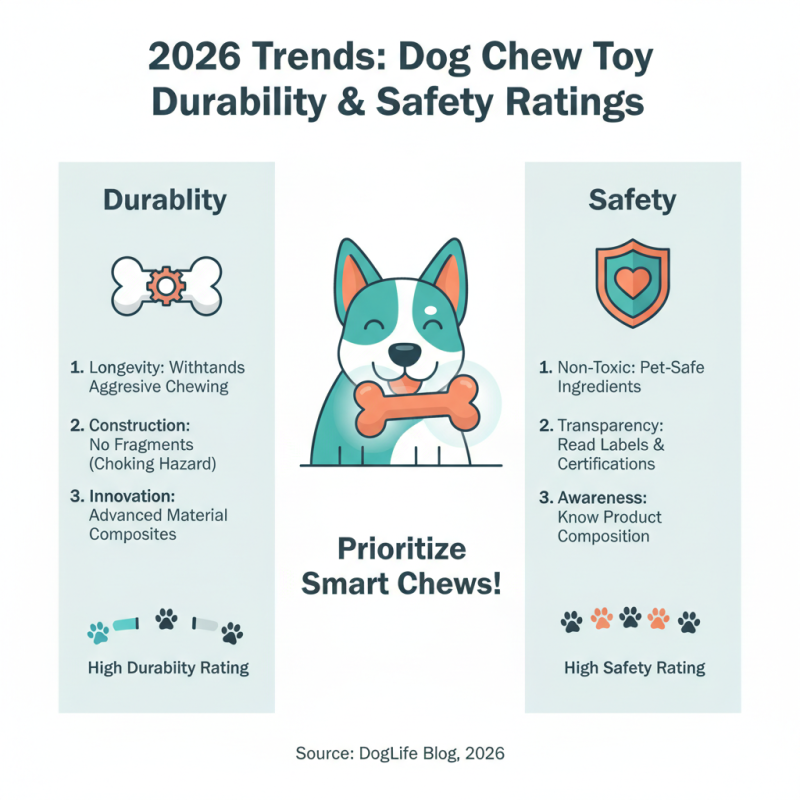
2026 Trends in Dog Chew Toy Durability and Safety Ratings
When selecting chew toys for dogs, durability and safety are paramount. Many toys fail to stand the test of time. A well-designed chew toy should withstand aggressive chewing without falling apart. Fragments can pose choking hazards. Materials should be safe and non-toxic. Owners must read labels and understand product compositions. Knowing what’s inside is essential.
Recent trends show a shift towards eco-friendly materials. While these options are better for the environment, not all are durable. It's a balancing act. Toys need to be tough yet safe. Some chew toys break down too quickly. This can frustrate both dogs and their owners. Look for products with safety ratings from reputable sources. These ratings can guide choices.
Some chew toys get rave reviews but may not suit every dog. Each dog's chewing style is unique. One dog may love a rubber toy, while another tears it apart. Owners might need to experiment with different shapes and sizes. Observing how a dog interacts with a toy is crucial. The right toy can lead to happier playtimes.
Comparative Analysis of Natural vs Synthetic Chew Toys for Dogs
When choosing chew toys for dogs, the debate between natural and synthetic options is significant. Natural chew toys are made from materials like wood, rawhide, or natural rubber. Many pet owners prefer them due to their biodegradable nature and fewer chemical additives. According to a recent industry report, about 72% of dog owners believe that natural toys promote healthier chewing habits.
Synthetic chew toys offer durability and often come in various shapes and colors. They can be designed for specific functions, such as dental health. However, not all synthetic materials are safe. Reports indicate that many synthetic toys may contain harmful chemicals. For instance, some polyvinyl chloride (PVC) products have raised concerns among veterinarians.
**Tip:** Always check materials. Opt for non-toxic certifications for synthetic options.
Understanding your dog’s chewing style helps guide your choice. Soft chewers might enjoy natural options, but aggressive chewers could need the durability of synthetic toys. It’s essential to observe your dog’s behavior. Some pets may react adversely to certain materials. For example, if your dog gets an upset stomach, reassess their toys.
**Tip:** Introduce one toy at a time. Monitor your dog’s reaction closely.
In conclusion, both types of chew toys have pros and cons. Make informed choices based on your dog’s needs, safety, and preferences.
Comparative Analysis of Natural vs Synthetic Chew Toys for Dogs
Top 5 Veterinarian-Recommended Chew Toys Based on Canine Behavior Studies
When choosing chew toys for dogs, understanding their behaviors is crucial. Veterinarians often recommend toys that align with canine instincts. For example, dogs love to chew when they feel anxious or bored. A durable chew toy can help alleviate these issues.
Some recommended options include toys that mimic natural materials. Rubber toys are often a great choice because they provide texture and resistance. Dogs enjoy the satisfying sensation of chewing through these dense surfaces. Additionally, toys that engage their senses, like those with varied textures or sounds, can keep them entertained longer.
However, not every toy works for every dog. Individual preferences vary widely. Some dogs may ignore certain toys altogether. Observing your dog’s reaction to different toys can help you determine what works best for them. It’s important to regularly evaluate the wear and tear on toys too. Chew toys can break down and pose choking hazards. Regularly inspecting these items ensures your dog's safety and health.
2026 Top Choices for Great Chew Toys For Dogs Which Ones Are Best?
| Chew Toy |
Material |
Durability |
Recommended for Size |
Behavioral Benefits |
| Rubber Ring |
Rubber |
High |
Small to Large |
Encourages chewing and oral health |
| Dental Chews |
Natural Ingredients |
Moderate |
All Sizes |
Promotes dental hygiene |
| Stuffed Toys |
Fabric |
Low |
Small to Medium |
Provides comfort and companionship |
| Nylon Bones |
Nylon |
Very High |
Medium to Large |
Satisfies chewing instincts |
| Kong Toys |
Rubber |
High |
All Sizes |
Stimulates mental engagement |
Consumer Satisfaction Trends: Dog Owner Preferences in Chew Toy Selection
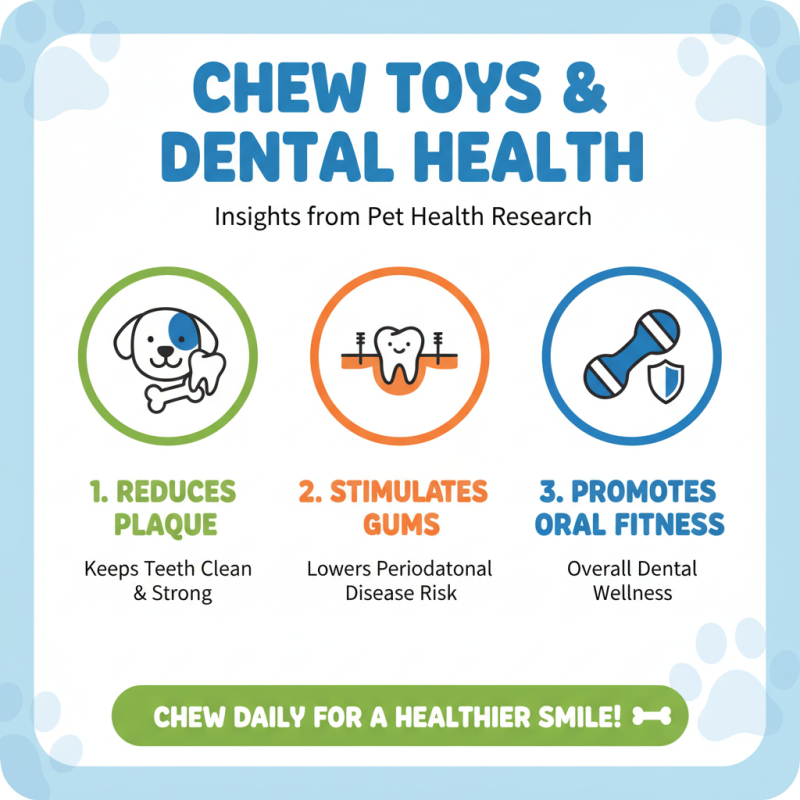
When selecting chew toys, dog owners prioritize safety and durability. A recent industry report shows that about 70% of dog owners prefer toys made from non-toxic materials. Chew toys play a critical role in maintaining dental health. Studies indicate that active chewing can reduce plaque and tartar buildup. This fact encourages owners to choose toys that promote both fun and health.
Tips: Look for rubber or nylon materials. They tend to last longer. Avoid overly hard materials, as these can damage teeth over time.
Another trend among dog owners is the desire for interactive toys. Approximately 60% of pet owners seek chew toys that stimulate their dog’s mind as well. Toys that dispense treats while being chewed engage dogs and keep them occupied. However, a few owners report that some toys can be too complex for their pets.
Tips: Observe your dog’s interaction with the toy. Ensure they find it enjoyable. Consider rotating toys to maintain their interest and excitement.