What is the Best Cat Kicker Toy for Your Feline Friend?
When selecting the ideal Cat Kicker Toy for your feline friend, it’s essential to consider both fun and stimulation. According to Dr. Sarah Thompson, a renowned veterinary behaviorist, “The right toy encourages natural hunting instincts in cats.” Cat kicker toys serve as an outlet for that instinct, providing the perfect opportunity to scratch, kick, and wrestle.
These toys often come in various sizes and textures, catering to different cat preferences. Some are filled with catnip, while others might have crinkly materials to engage your kitty's senses further. However, not every cat will take to a kicker toy immediately. It may require experimentation to find the one that sparks joy.
The process of selection can feel overwhelming. Observe your cat's play habits and preferences. Some may enjoy a long, plush toy, while others prefer a compact, crinkly version. It's important to remember that the best Cat Kicker Toy is one that resonates with your cat's unique personality and playful nature. Your efforts can lead to joyous playtime and a happier feline friend.
Understanding the Importance of Cat Kicker Toys for Your Cat's Playtime
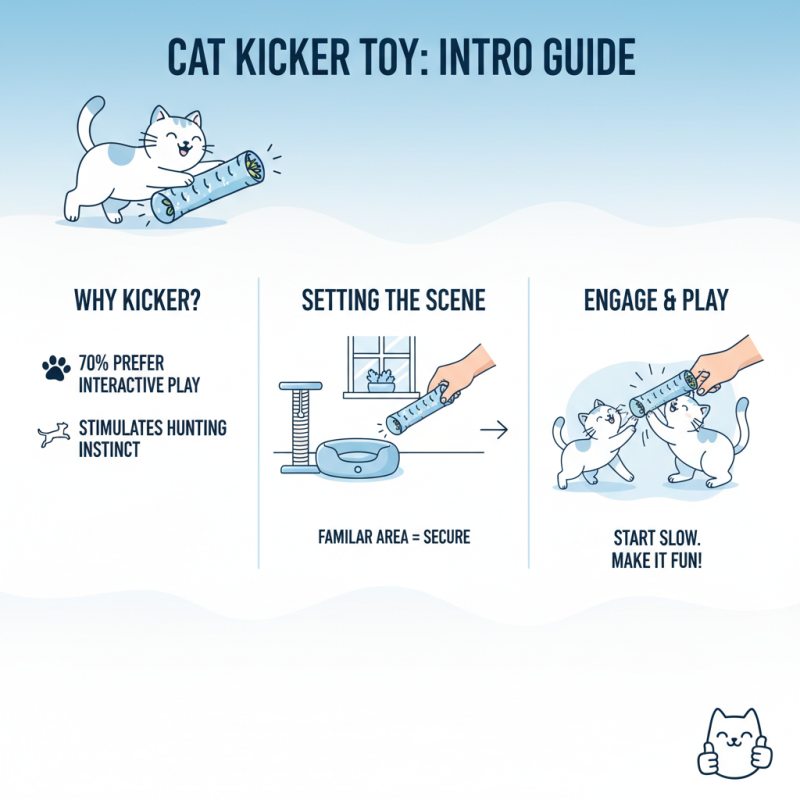
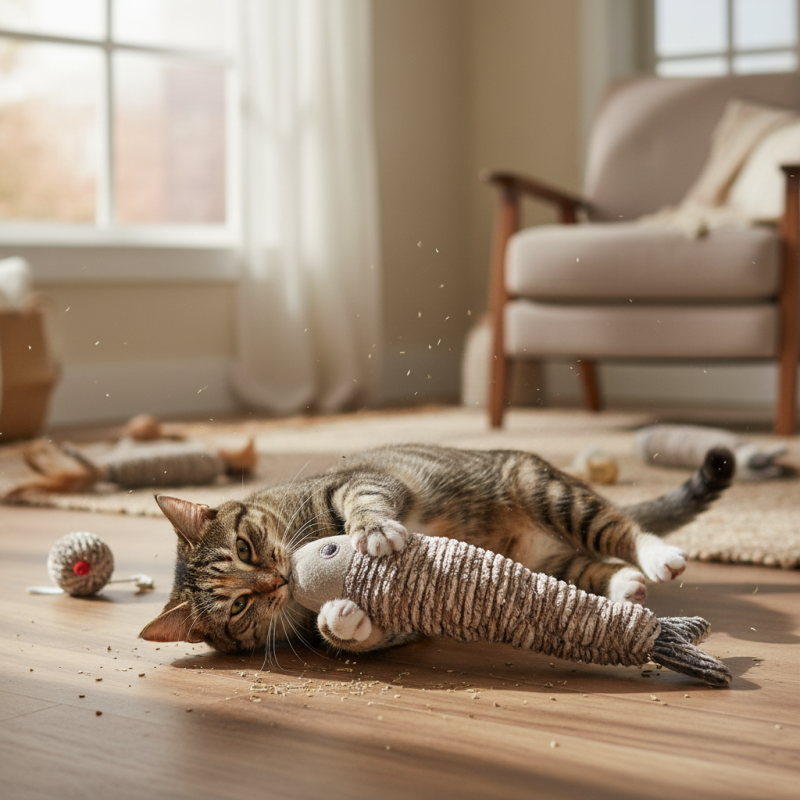
Cat kicker toys are essential for your feline friend’s playtime. They provide both mental stimulation and physical exercise. Cats have natural hunting instincts. These toys mimic prey, allowing cats to kick, bite, and wrestle. This type of play helps satisfy their predatory behaviors. You will likely notice improved mood and reduced stress in your cat.
Tips for choosing the right cat kicker toy include considering fabric and stuffing. Opt for something durable that can withstand rough play. Cats may lose interest in toys that fall apart quickly. Look for sturdy seams and appropriate size. A too-small toy may not satisfy your cat's kicking instincts.
Observe your cat's play style. Some cats love to kick fiercely, while others prefer gentle nuzzles. You may find that your cat enjoys a variety of textures. A mix of soft and crinkly materials can enhance playtime. Remember, no toy is perfect. Some might not appeal to your cat, but that’s okay. Keep experimenting until you find the right fit.
Cat Kicker Toy Popularity Among Different Cat Breeds
Key Features to Look for in a Quality Cat Kicker Toy
When choosing a cat kicker toy, consider the material. Soft, durable fabrics are essential. Look for options that can withstand clawing and biting. Cats love to engage with toys that have varied textures. A mix of fabrics often keeps their interest.
Size matters, too. Kicker toys should be long enough for cats to kick and wrestle. The right dimensions encourage active play. A toy that’s too small may not satisfy their instincts. Attachments like crinkly parts or catnip will also enhance engagement, making the toy irresistible.
Weight is another factor. A heavier kicker toy may stay put during intense playtime. Cats often prefer stability over lightweight options that slide away too easily. Consider colors and patterns that catch their eye. Bright, bold designs can spark curiosity. Reflect on your cat's preferences; every feline has its unique taste.
What is the Best Cat Kicker Toy for Your Feline Friend? - Key Features to Look for in a Quality Cat Kicker Toy
| Feature |
Description |
Importance |
| Material |
Durable and non-toxic fabrics ensure safety and longevity. |
High |
| Size |
Should be large enough for your cat to kick and small enough to handle comfortably. |
Medium |
| Weight |
A well-weighted toy can withstand vigorous kicking. |
High |
| Catnip |
Inclusion of catnip can enhance playtime and attraction. |
High |
| Texture |
Different textures can stimulate your cat’s senses. |
Medium |
| Design |
Creative designs can attract a cat's attention more effectively. |
Medium |
Top Materials Used in Cat Kicker Toys and Their Benefits
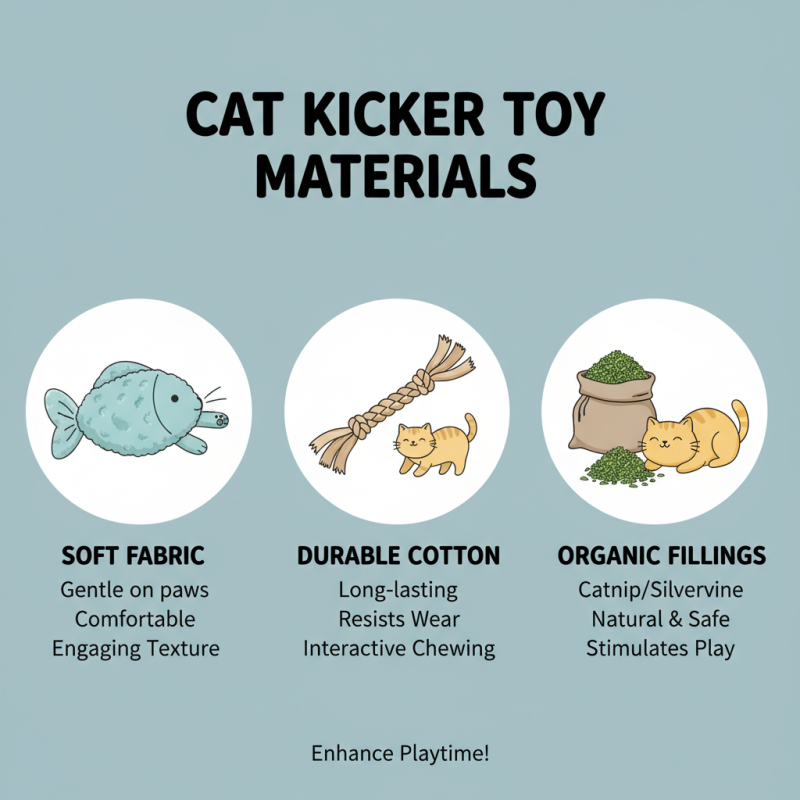
Choosing the right materials for cat kicker toys can significantly enhance your cat's play experience. Common materials include soft fabric, durable cotton, and organic fillings. Soft fabric is gentle on your cat’s paws and provides comfort during play. Cats often enjoy the texture of these fabrics, making them more engaged.
Cotton, known for its durability, can withstand rough play. It is easy to clean and long-lasting, ideal for enthusiastic felines. Organic fillings are becoming popular as they are safe for pets. They also add weight, making the toy easier for your cat to kick. Many cats enjoy the weight, as it simulates prey.
While selecting materials, consider your cat's preferences and play style. Some cats love scratching, while others prefer softer textures. Observe their behavior with various toys. This trial and error approach can be revealing. Pay attention to which toys they favor. Sometimes, the most popular toy is not what you expected.
Popular Types of Cat Kicker Toys and Their Unique Advantages
When choosing the best cat kicker toy, it's essential to consider the variety of options available. Cat kicker toys come in various shapes, sizes, and textures. Some are designed to resemble small prey, while others focus on providing a comforting surface. According to a survey by the Pet Industry Market Research Association, about 40% of cat owners report that their pets show more interest in toys that mimic hunting behavior.
Soft fabric toys filled with catnip are quite popular. They can stimulate a cat's senses, encouraging them to play and exercise. The act of kicking can help cats stretch their muscles, mimicking their natural instincts. Interestingly, research shows that about 75% of cat owners observed their cats playing longer with toys that provide sensory engagement. Yet, not all cats are equally enthusiastic about these toys. Some may prefer less complex designs.
Additionally, interactive kicker toys that incorporate sound and movement can increase the thrill of playtime. However, a significant percentage of cats may shy away from overly stimulating toys. It's crucial to monitor your cat's reactions. Some may enjoy a simple, soft kicker, while others prefer something that offers more action. Understanding your cat's preferences can lead to better playtime experiences.