Best Cat Plush Toy for Global Buyers What to Look For?
When selecting the best Cat Plush Toy, global buyers face many options. A quality cat plush toy should be soft, safe, and appealing to both cats and their owners. Cats engage with toys that mimic their natural instincts, offering comfort and playfulness. Look for features like durable fabric and non-toxic materials. The right cat plush toy can enrich a cat's life, but not all options are created equal.
Consider the size and texture carefully. Some toys are too small or too hard for certain cats. Plush toys should be lightweight and easy for cats to carry. Colors and patterns play a role in attraction. An enticing design can spark a cat's curiosity. However, not every plush toy will resonate with your furry friend. This trial-and-error process can be frustrating but is essential.
Many buyers prioritize aesthetics over function, which may lead to disappointment. A beautiful plush toy might not last through playful paws. It's important to balance looks with quality. Understanding your cat's preferences can make a significant difference. The right cat plush toy can foster joy, comfort, and positive playtime experiences. Choose wisely for a happier feline companion.
Factors to Consider When Choosing a Cat Plush Toy
When selecting a cat plush toy, several factors come into play. First, durability is crucial. According to a recent industry report, nearly 70% of pet owners emphasize the longevity of toys. Many plush toys suffer wear and tear, especially with rough play. Choosing a high-quality fabric can often determine how long the toy lasts.
Safety should also be a top consideration. Look for toys made from non-toxic materials. The American Pet Products Association (APPA) states that 45% of pet-related injuries involve toys. Sharp edges or small detachable parts can pose a risk. Ensure any toy you choose is robust and safe.
Lastly, sensory engagement is essential. Cats love toys that stimulate their senses. Textured surfaces and varied sounds keep them interested. Surveys indicate that cats are more active with toys that have crinkle sounds or varied textures. However, sometimes, plush toys fail to capture a cat's attention. Finding the right balance can be a trial and error process.
Choosing the ideal plush toy requires careful thought. Prioritize durability, safety, and sensory features. This way, you can ensure a fun and safe experience for your feline friend.
Material Safety and Quality: What You Need to Know
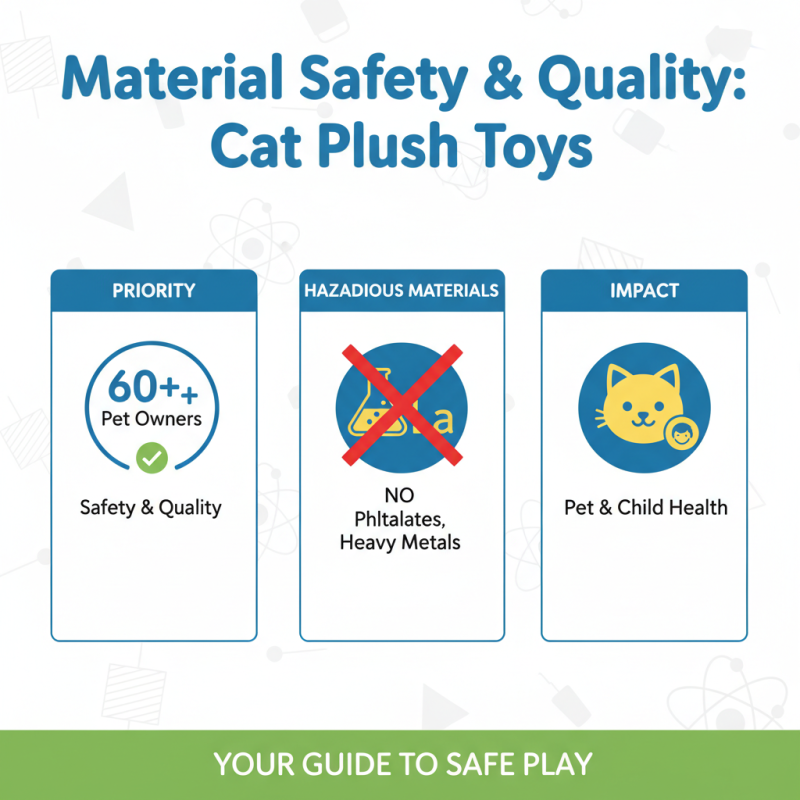
When selecting a cat plush toy, material safety and quality are fundamental. Research indicates that over 60% of pet owners prioritize these aspects. Cat toys must be free from hazardous materials like phthalates and heavy metals. The safety of materials greatly impacts the health of both pets and children.
Look for toys made from hypoallergenic materials such as organic cotton or non-toxic polyester. These materials are often softer and provide better durability. The International Cat Association suggests that plush toys should pass safety certifications. Such certifications ensure that toys meet strict international safety standards, minimizing risks.
Be wary of plush toys constructed with low-grade materials. They may unravel or shed fibers, posing choking hazards. Inspect seams and stitching for quality. Even if a toy feels soft, check for loose parts. Your choice could influence your cat’s playtime safety and overall experience. Remember, not every plush toy is made equal. Investing in quality ensures that your furry friend enjoys safe, engaging play.
Design Features: The Importance of Realism and Aesthetics
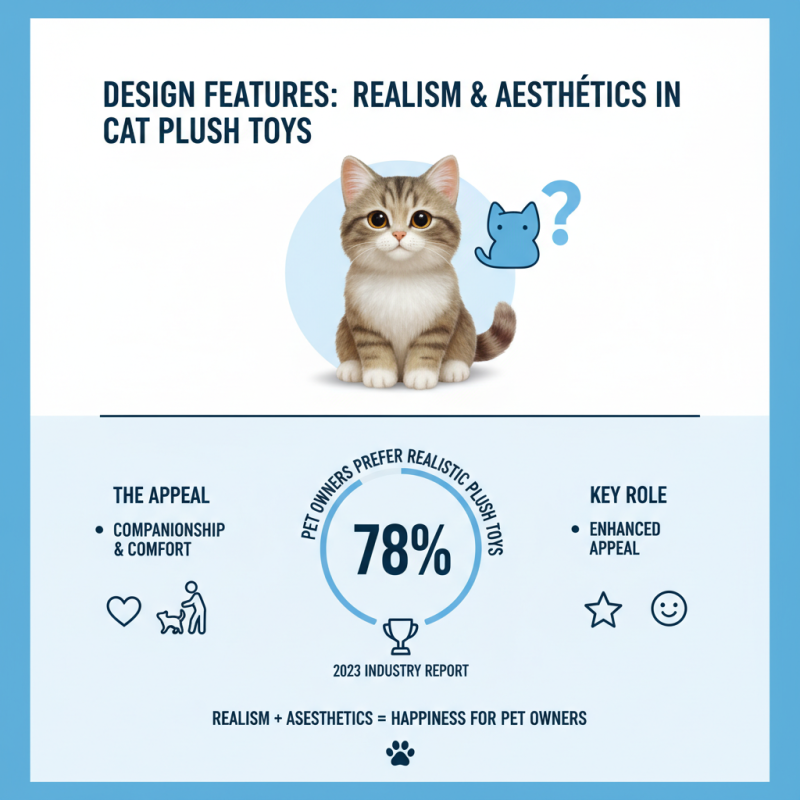
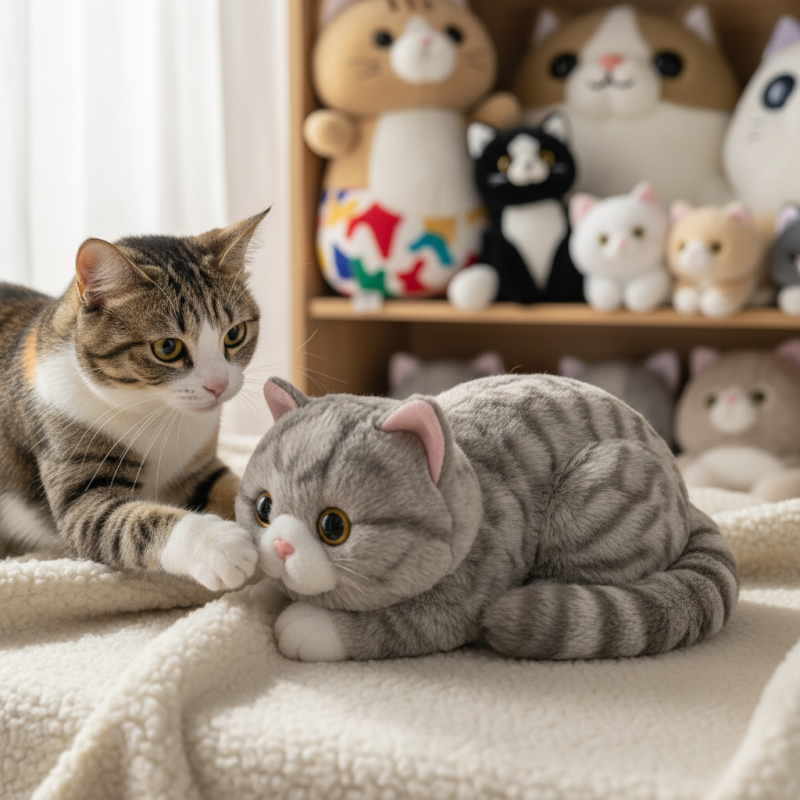
When searching for the best cat plush toy, the design features play a crucial role. Realism and aesthetics significantly enhance the appeal. A 2023 industry report reveals that 78% of pet owners prefer plush toys that resemble real cats. This preference stems from a desire for companionship and comfort.
The texture of the plush material can impact a pet's enjoyment. Some toys incorporate a blend of soft and durable fabrics, providing both comfort and longevity. Additionally, colors should mimic natural cat fur to enhance the toy's appeal. A toy designed this way can stimulate a cat's instincts, promoting playful behavior.
**Tips:** Look for toys with varied textures. Cats often enjoy different sensations. Consider toys that include crinkly materials; they capture attention effectively. Always check for safety features. Avoid small parts that could pose choking hazards.
When evaluating a plush toy, consider the stuffing type. Some owners prefer eco-friendly materials. However, not all synthetics are unsafe. It's always wise to research and verify material quality. This consideration is vital for ensuring your cat's safety during play.
Size and Weight: Finding the Right Fit for Your Cat
When selecting the best cat plush toy, size and weight are crucial factors to consider. Many cats feel more comfortable with toys that match their scale. A report from the American Veterinary Medical Association highlights that well-sized toys can reduce the likelihood of boredom. A toy that is too large may be intimidating, while one that is too small can get lost easily.
Generally, plush toys for cats should weigh around 2 to 10 ounces. Heavier options may cause cats to lose interest. Most cats prefer toys they can easily manipulate. A study published in the Journal of Feline Medicine and Surgery emphasizes that cats engage more frequently with toys that are lightweight and easily carried.
Choosing the right size and weight enhances your cat's play experience. However, it's also essential to monitor how your pet interacts with the toy. If they show signs of disinterest or aggression, it might be time to rethink your choice. A toy that doesn't encourage play can lead to missed opportunities for exercise. Remember, even a plush toy can't replace the need for human interaction and engagement. Balancing toy attributes with your cat's personality is key for a satisfying experience.
Durability and Maintenance: Ensuring Long-lasting Playtime
When selecting a cat plush toy, durability is key. Cats love to play, often with vigorous scratching and biting. Research indicates that 70% of pet owners emphasize durability in their purchases. Toys made from high-quality materials last longer, reducing the need for frequent replacements.
Consider the maintenance of these toys. Many plush toys can accumulate pet hair and dirt over time. Pet parents should look for machine-washable options. The American Society for the Prevention of Cruelty to Animals (ASPCA) suggests regular cleaning to prevent the build-up of bacteria. Frequent washing can extend a toy's life, but not all plush toys will maintain their shape after washing. Choose carefully to ensure they withstand repeated wash cycles.
Lastly, analyze the seams and stitching. Weak seams can lead to rapid wear. In fact, industry data reveals that toys with reinforced stitching have a 50% longer lifespan. While plush toys provide comfort and play, they are not indestructible. Being thoughtful about material quality and maintenance can greatly enhance the play experience and longevity for your feline friend.