What is the Best Cat Scratching Post for Your Cat?
Finding the right Cat Scratching Post can greatly enhance your cat's well-being. According to a survey by the American Pet Products Association, over 70% of cat owners report that their cats prefer to scratch. This behavior is not just instinctual; it promotes physical health and mental stimulation. A well-chosen scratching post can prevent your cat from destroying your furniture.
There are various types of Cat Scratching Posts available, from vertical structures to more complex designs with multiple surfaces. A study published in the Journal of Feline Medicine and Surgery highlights that scratching can help with claw health, marking territory, and stretching. This reflects the importance of providing a space that encourages these natural behaviors.
However, not all scratching posts are created equal. Often, owners buy products without considering their cat’s preferences and behaviors. Results can be disappointing when cats ignore a new scratching post. It's essential to observe your cat's habits, as individual preferences vary. You might need to experiment with different materials or styles to find the perfect match. A focused approach can make a significant difference in your cat's happiness and behavior.
Understanding Your Cat’s Scratching Preferences
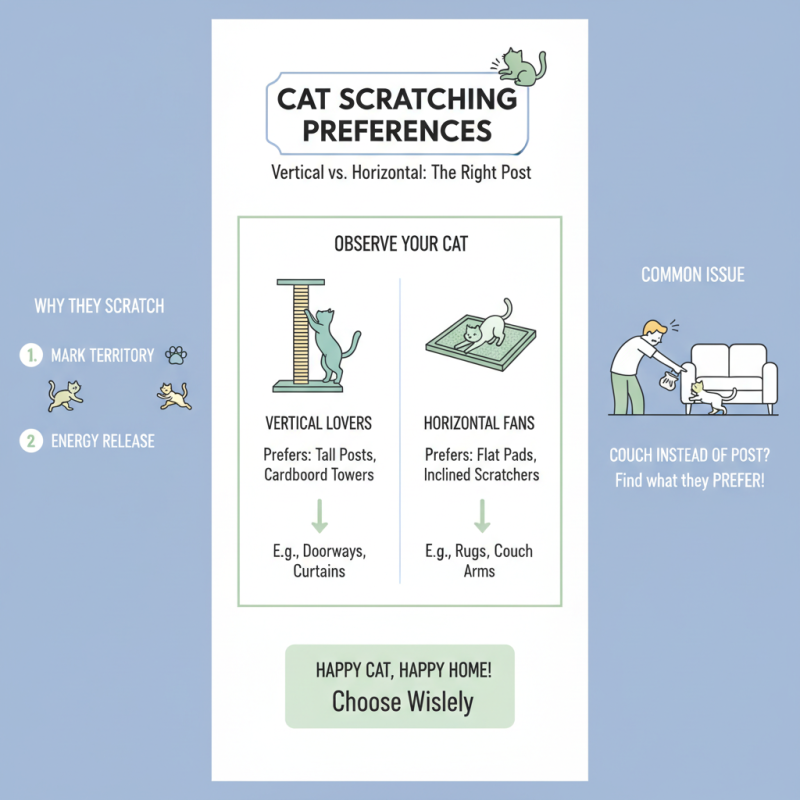
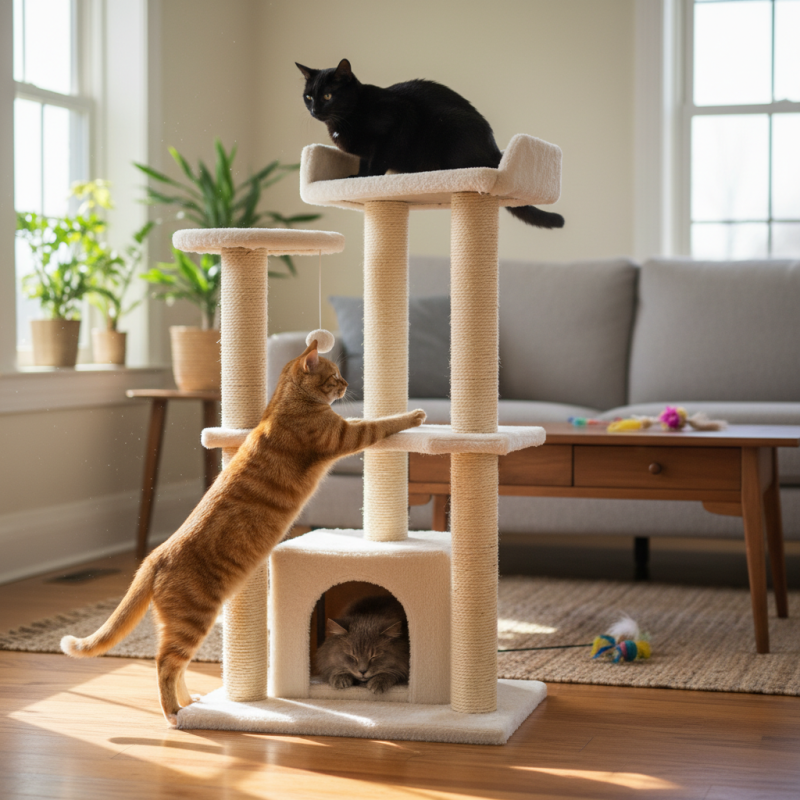
Understanding your cat's scratching preferences is essential for choosing the right scratching post. Cats scratch to mark territory and spend energy. Observing your cat's behavior can provide valuable insights. Does your cat prefer vertical or horizontal surfaces? Some cats love to climb, while others prefer to stretch out. You might find your cat scratching the couch instead of the post you bought.
The materials of scratching posts matter too. Some cats enjoy sisal, while others may favor cardboard. Texture plays a significant role. A post that looks great might not be used if it feels wrong to your cat. You could try different types to see what fits best. A lot of trial and error might be needed here, and that’s okay.
You might notice your cat favors certain locations to scratch. Placing a post near their favorite napping spot can encourage use. Also, think about how often you change or move the post. Cats can be quite particular. If it’s not in the right spot or doesn’t feel like theirs, they may ignore it completely.
Types of Cat Scratching Posts Available
When choosing a cat scratching post, you’ll discover various styles. The most common types include vertical and horizontal posts, as well as angled surfaces. Each design offers unique benefits for your feline friend. Some cats love to stretch up high and scratch a tall post, while others prefer a more stable, low-to-the-ground option.
Materials also vary significantly. Sisal rope, cardboard, and carpet are popular choices. Sisal is durable, while cardboard is cost-effective and can be replaced easily. Cats often enjoy the texture of these materials. Still, some scratching posts may not withstand heavy use. You might find that certain materials don’t appeal to your cat, leading to neglected posts.
Size is another consideration. A larger post can accommodate multiple cats. However, smaller spaces might limit your options. It's essential to assess your living area when choosing. Some scratching posts are designed to fit corners or blend with home decor. But, they can be less sturdy if not placed correctly. Testing different styles will help you find a suitable match for your cat's preferences.
Types of Cat Scratching Posts and Their Popularity
Key Features to Consider When Choosing a Scratching Post
When choosing a scratching post for your cat, consider several key features. The material used is crucial. Cats prefer sisal, cardboard, or carpet because they replicate natural textures. Research shows that posts made from these materials encourage proper scratching behavior, helping to keep your cat’s claws healthy and their territory marked.
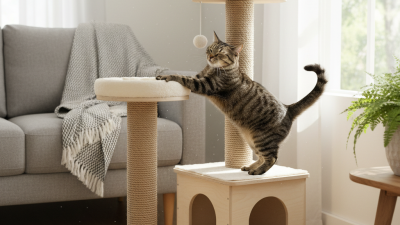
Height matters too. A tall scratching post allows your cat to stretch fully. A 2023 report indicated that 63% of cats show preference for vertical spaces. Cats also enjoy scratching at different angles. Features like adjustable heights or varying orientations can cater to all types of scratchers.
Stability is another area to focus on. A wobbly scratching surface can discourage use. Many pet owners overlook this factor, leading to disappointed felines. Additionally, incorporating a variety of styles may entice kittens and older cats alike. Don't underestimate the importance of an appealing design that complements your home decor. It’s an ongoing challenge to find a scratching post that meets these needs.
How to Introduce a Scratching Post to Your Cat
Introducing a scratching post to your cat can be a challenge. Cats can be picky and may resist new things. Start by placing the post in a quiet area where your cat usually relaxes. This familiar setting can make the post more appealing. Observe your cat's behavior. If your cat seems curious, that's a good sign.
Here are a few tips to help with the introduction. Use catnip to attract your cat to the post. Rub some on the base and areas of the post. This might pique their interest. You can also try playing with your cat near the post. Use their favorite toy to catch their attention. The goal is to create a fun and inviting atmosphere.
If your cat seems uninterested, don't be discouraged. Some cats need more time. You can try placing their favorite blanket or a toy near the post. Creating a positive association is key. Patience is essential. Monitor your cat's interactions with the scratching post. Celebrate small victories, like a tentative paw against it.
Maintaining and Caring for Your Cat's Scratching Post
When it comes to maintaining your cat's scratching post, regular cleaning is crucial. Studies show that over 70% of cat owners neglect this task. Dust and debris can accumulate, affecting your cat's health. A simple vacuum or a lint roller can do wonders. Cleaning the post not only keeps it hygienic, but it also helps preserve its texture. Many cats prefer a fresh, clean surface for scratching.
Inspecting the scratching post regularly is also vital. Look for signs of wear or damage. Reports indicate that about 60% of cat injuries occur due to broken or unstable furniture. If the post is wobbly or unstable, it’s time for a replacement. Some owners underestimate the importance of this. A sturdy post encourages more scratching and less furniture damage. This leads to better claw health for your feline friend.
Remember, cats are often creatures of habit. They become attached to their scratching posts. If you introduce a new one, it might take time for your cat to adapt. Understanding this can lead to more patience. Occasionally, a little trial and error is needed. Not every post will suit every cat. Each feline has unique preferences.
What is the Best Cat Scratching Post for Your Cat? - Maintaining and Caring for Your Cat's Scratching Post
| Type |
Material |
Height (inches) |
Durability |
Price Range |
| Vertical |
Sisal |
30 |
High |
$50 - $100 |
| Horizontal |
Cardboard |
24 |
Medium |
$10 - $30 |
| Multi-Level |
Carpet |
36 |
Very High |
$80 - $150 |
| Wall-Mounted |
Wood |
Varies |
High |
$40 - $100 |
| Cat Tree |
Plyboard |
48 |
Very High |
$100 - $300 |