Best Cat Scratching Post Tips for Happy Cats?
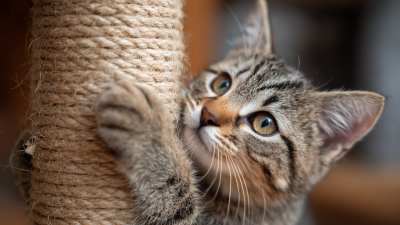
Cats have a natural instinct to scratch. It helps keep their claws healthy and marks their territory. A study by the American Pet Products Association indicates that over 70% of cat owners invest in a Cat Scratching Post. This illustrates how important these products are for feline well-being.
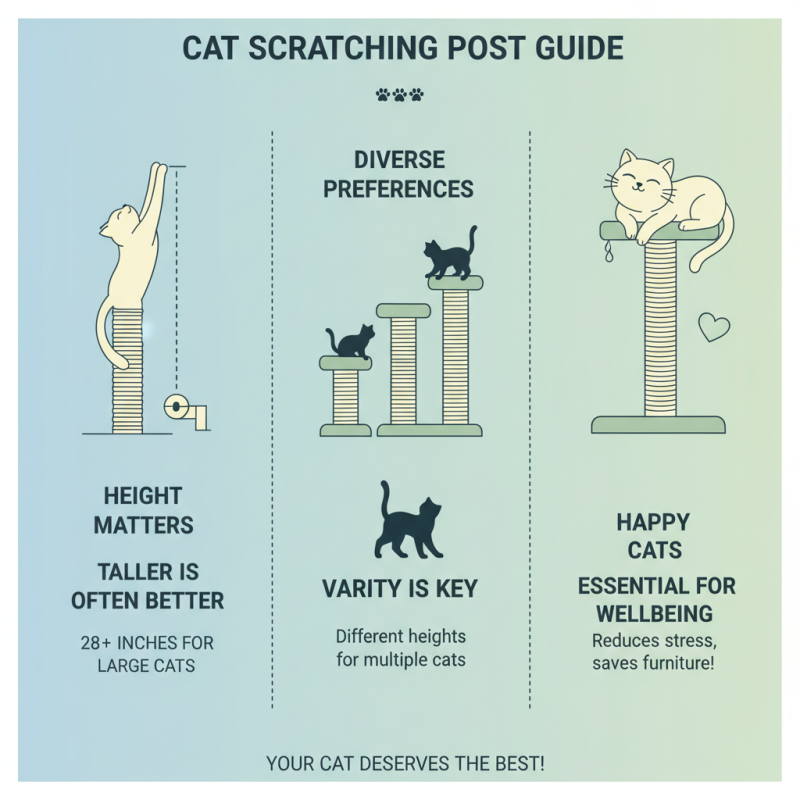
Choosing the right Cat Scratching Post can be challenging. Many factors, such as material and height, play a role in your cat’s preference. Some posts are too short, while others may wobble when scratched. These imperfections can discourage your cat from using the post, leading to frustration for both pet and owner.
Incorporating a Cat Scratching Post into your home setup is crucial. It not only protects your furniture but also gives your cat a dedicated space to stretch and play. However, owners often overlook the placement of the post. A well-placed post can make a significant difference in usage rates. Understanding your cat's habits can lead to a more fulfilling life for them.
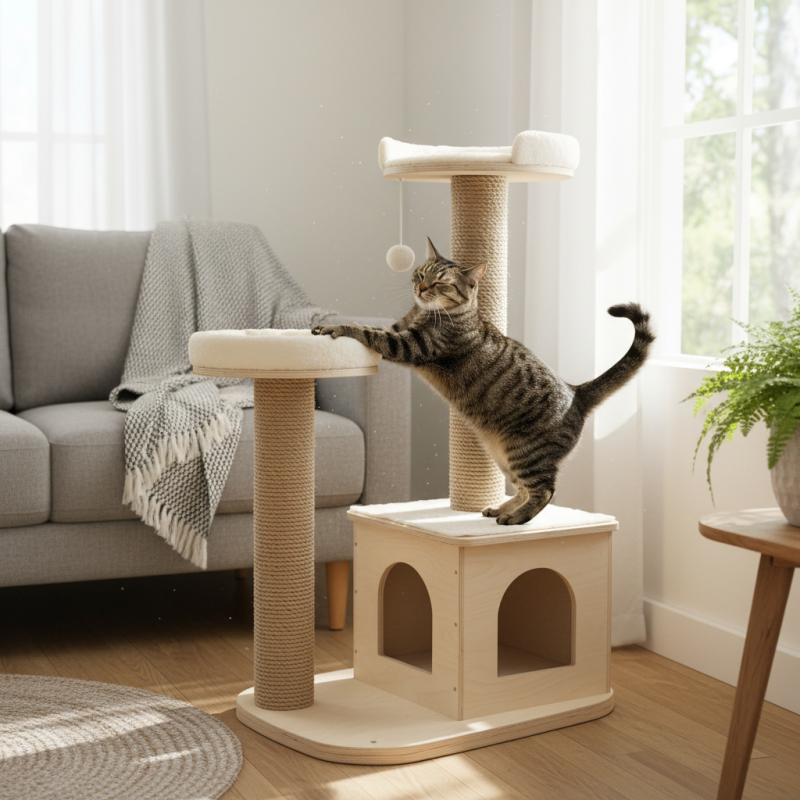
Choosing the Right Material for Cat Scratching Posts
Choosing the right material for cat scratching posts is crucial for their well-being. Cats need to scratch. It's their natural instinct. But what type of material should you consider?
Some studies indicate that natural materials like sisal and wood are favored by many cats. These options mimic the textures found in their natural environment. A report from the American Pet Products Association suggests that approximately 70% of cats prefer scratching surfaces that are durable and textured. Sisal provides the right amount of resistance. Cats enjoy tearing into it. However, not all sisal posts are created equal. Some brands use synthetic fibers that may not appeal to every cat.
On the flip side, cardboard is a common choice too. It's affordable and can be replaced easily. Research shows that around 50% of cats like scratching on cardboard. Yet, it's essential to monitor wear and tear. If too flimsy, it may not satisfy your cat’s urge to scratch. Feel free to experiment with different materials. Every cat has a unique preference. Take time to observe your cat's behavior with different types. Creating a happy environment may require some trial and error.
Understanding Cat Scratching Behavior and Needs
Cats are natural scratchers. Understanding this behavior is key to keeping your cat happy. Scratching is not just a way to sharpen claws; it’s a form of communication and exercise. Cats have scent glands in their paws. When they scratch, they leave their mark. This helps them feel secure in their environment.
Each cat has unique scratching preferences. Some prefer vertical surfaces, while others enjoy horizontal ones. Providing variety can be beneficial. Consider different textures like carpet, sisal, or cardboard. Cats are curious creatures. They might scratch in unexpected places. Sometimes, a quick reflection is needed on our home arrangements. Are there areas encouraging destructive behavior?
Positioning scratching posts in common areas can attract your cat’s attention. It can draw them away from your furniture. Look for spots near their favorite lounging areas. However, not every cat will embrace new items right away. Patience is essential. Observing your cat’s habits can help make adjustments. These small steps can lead to a happier, more engaged feline companion.
Best Cat Scratching Post Tips for Happy Cats
| Tip |
Description |
Material |
Height |
Stability |
| Vertical Post |
Encourages stretching and climbing |
Sisal rope |
30 inches |
High stability |
| Horizontal Scratching Pad |
Ideal for cats that prefer to scratch lying down |
Cardboard |
N/A |
Moderate stability |
| Multi-level Tower |
Provides various scratching and climbing options |
Carpet |
48 inches |
Very high stability |
| Wall-mounted Scratcher |
Saves space; great for playful cats |
Wood |
N/A |
High stability |
Placing Scratching Posts for Maximum Effectiveness
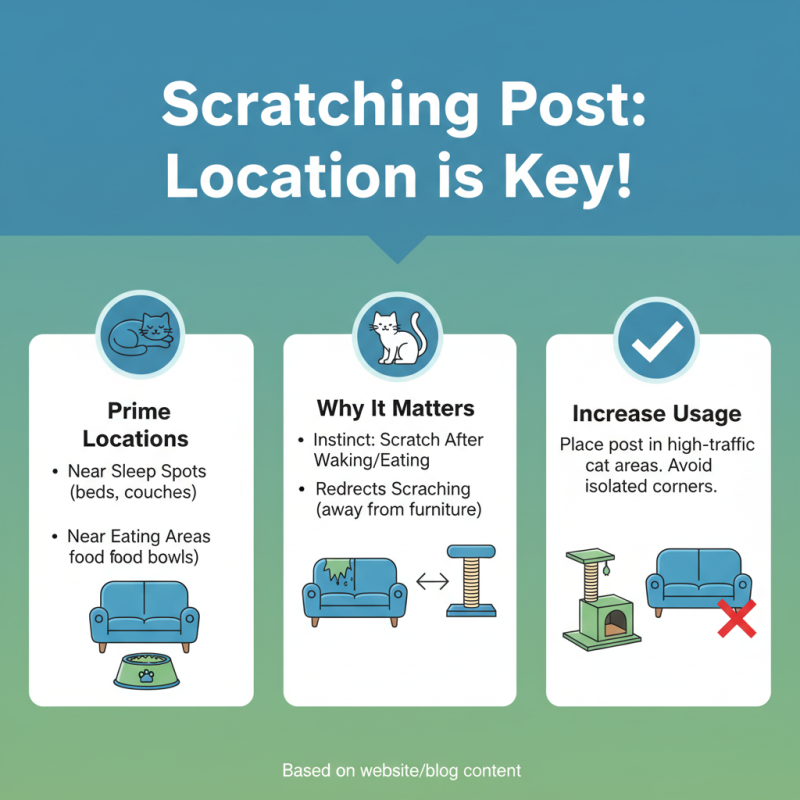
When it comes to placing scratching posts, location is key. Cats love to scratch after sleeping or eating. Ensure that posts are near their favorite spots. If they often nap on your couch, position a post close by. This increases the chances they'll use it. A lonely post in a corner may be ignored.
Variety also matters. Different heights and textures can attract attention. Some cats prefer vertical scratching while others like horizontal options. Observe your cat’s behavior. If they cling to carpets or furniture, consider those textures in your scratching post choices. However, changing the position of the post can be a learning curve. Sometimes, cats ignore a new placement, showing their stubborn side.
Placement in high-traffic areas can invite curiosity. If your cat watches people, they may be more inclined to use the post. However, if it’s too chaotic, they might feel stressed. Balance is essential. Pay attention to how your cat interacts with the post. If they only sniff it, it might be time to rethink the spot.
Tips for Maintaining and Encouraging Use of Scratching Posts
When it comes to scratching posts, placement is key. Position them in areas where your cat likes to relax. Cats often scratch after a nap. Finding a spot near their favorite sunbeam can encourage use. Consider placing multiple posts around your home. Variety keeps things interesting for your feline friend.
Next, try different materials. A carpeted post may attract some cats, while others prefer sisal. Observe your cat's behavior. What do they scratch the most? Sometimes, a scratching post gathering dust is a sign something isn't right. Cats are picky. Change up the texture or shape to renew their interest.
Finally, make it appealing. Use catnip or toys to entice them. Sometimes, a little motivation can go a long way. Don’t be disheartened if they avoid it at first. Patience is vital. A scratching post is an investment in your cat's happiness. Keep experimenting until you find what works best for your furry companion.
Best Cat Scratching Post Usage Statistics