A wagging tail can make play look effortless, but the right chew takes careful choosing. Dog Chew Tail toys come in different shapes, textures, and strengths, and no single design suits every dog. A small terrier may prefer a light, flexible toy, while a powerful chewer may need a sturdier option. Size matters. So does the dog’s chewing style.
Veterinarian Dr. Marty Becker’s practical guidance can be paraphrased this way: “Choose a chew for the dog in front of you, not just the promise on its packaging.” That is a useful lens for exploring these seven tail-shaped toys. Look for materials that feel appropriate for your dog, seams that hold up, and a shape your dog can grip without struggling. Supervise play, especially when introducing a new toy. Check it often for cracks, loose pieces, or sharp edges, and replace it when worn. Even a well-made toy can fail. That part deserves honest attention.
The best choice is not always the toughest or most colorful. Watch how your dog plays: does the toy invite gentle gnawing, lively tugging, or quick abandonment? Those small clues can guide your decision. The picks ahead compare design, chew appeal, and practical care, so you can narrow the options with your dog’s habits in mind. No toy is indestructible, and some dogs simply lose interest. That’s normal.
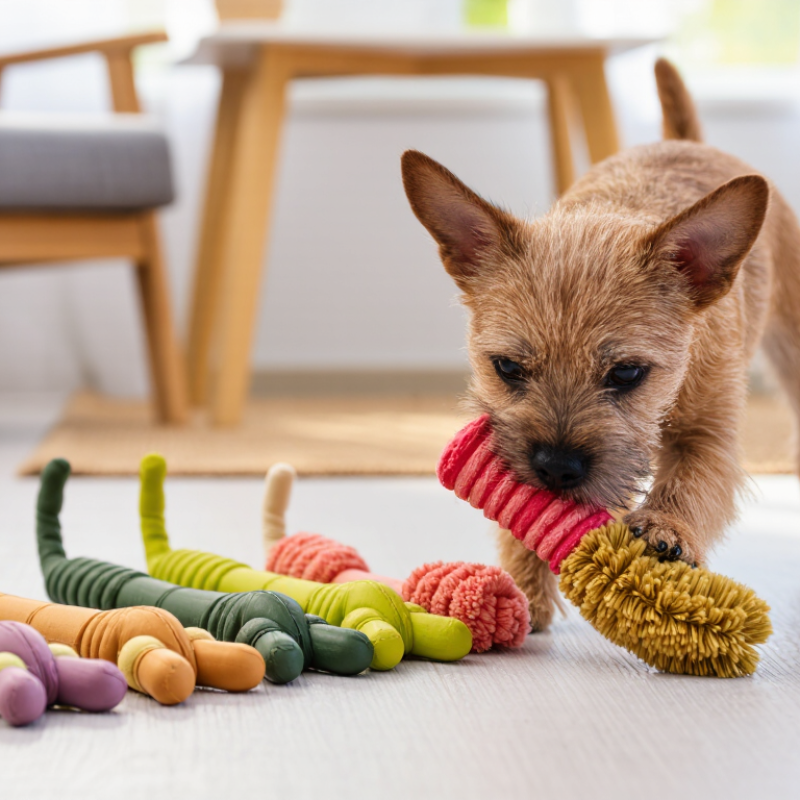
A dog chew tail toy is a chewable toy shaped like a tail, often with ridges, knots, or a flexible body dogs can grip between their paws. Some include a squeaker; others rely on texture alone. The shape can make the toy easier to hold while a dog gnaws, but it does not guarantee a safer or longer-lasting chew. Materials vary, so check the maker’s size guidance and inspect the toy for loose parts or cracks. Remove it if pieces start coming off.
Chewing gives dogs an outlet for a natural behavior and can keep them occupied, though it cannot replace walks, play, or training. The American Pet Products Association’s 2024 State of the Industry report estimated U.S. pet-industry spending at $147 billion in 2023. That figure shows the scale of pet care, not proof that any toy improves health. Choose a toy that is larger than your dog’s mouth, suited to their chewing strength, and easy to clean. A toy that is too hard may not suit every dog; ask a veterinarian if you are unsure, especially if your dog has dental problems.
Tips: Supervise the first chew. Check seams and edges after each session. If your dog swallows toy pieces, take the toy away and contact your veterinarian.
Tail-shaped chew toys can give dogs an easy place to grip while they gnaw. Their curves and narrow ends may suit different chewing positions, especially for dogs that like holding toys between their paws. A textured surface can also make the toy more interesting to explore with the mouth. Small design details matter.
Chewing offers mental engagement and can help occupy a dog during quiet indoor time. Some dogs enjoy carrying a tail-shaped toy from room to room, then settling down for a few minutes of chewing. That routine may be useful after a walk or a short training session. Not every dog. Preferences vary, and an appealing shape cannot replace exercise, social interaction, or appropriate dental care.
Choose a toy that matches your dog’s size and chewing strength. Check it often for cracks, loose pieces, or sharp edges, and take it away if it becomes damaged. Supervision is sensible, particularly when a dog is trying a new toy. A toy that feels firm to one person may be too hard for another dog’s teeth, so observe how your dog uses it. Shape helps, but safe fit matters more.
A good dog chew tail toy should match your dog’s size, chewing style, and play habits. Check the package for age and weight guidance, then compare it with your dog’s mouth and strength. A toy that is too small may be swallowed; one that is too large can be awkward to grip. Choose a material that flexes slightly under pressure. Very hard toys can damage teeth, especially for enthusiastic chewers. No toy is indestructible.
Tips: Watch your dog during the first few play sessions. Look for loose pieces, cracks, sharp edges, or a rough surface. Replace the toy if it becomes damaged, and take it away when play ends. A quick check matters.
Tail-shaped toys often have ridges or narrow sections that are easy to hold, but those details can also trap dirt or wear unevenly. Wash the toy as directed and dry it fully before putting it away. A common mistake is choosing a toy only because it looks sturdy. Notice how your dog actually chews: gentle gnawing and forceful biting call for different designs. If chewing seems painful, or your dog has dental problems, ask a veterinarian before introducing a new toy.
| Toy Type | Common Materials | May Suit | Chewing Style | What to Check Before Buying |
|---|---|---|---|---|
| Flexible Tail-Shaped Rubber Chew | Flexible, dog-toy-grade rubber | Dogs that enjoy carrying, mouthing, and moderate chewing | Moderate | Choose a size that cannot be swallowed whole. Check for a suitable flexibility and inspect regularly for cracks, tears, or missing pieces. |
| Textured Rubber Tail Toy | Molded rubber with raised ridges or nubs | Dogs that like varied surfaces and gentle chewing | Light to moderate | Look for smooth, securely formed edges and a size suited to your dog. Texture does not replace toothbrushing or veterinary dental care. |
| Treat-Dispensing Tail Toy | Hollow rubber or other washable, dog-toy-grade material | Food-motivated dogs that enjoy working for small treats | Light to moderate | Check that openings are too small for the jaw or tongue to become trapped, and use treats that fit safely. Clean and dry the toy after use. |
| Rope Tail Tug Toy | Woven cotton or synthetic fibers, sometimes combined with rubber | Dogs that enjoy interactive tug games | Play-focused; not for unsupervised chewing | Supervise play and remove the toy if strands loosen or unravel. Swallowed rope fibers can cause serious problems, so do not let your dog ingest them. |
| Plush Tail Toy with Squeaker | Fabric outer layer, filling, and an internal squeaker | Gentle chewers and dogs that enjoy carrying or cuddling toys | Light | Not a good choice for dogs that quickly tear fabric or remove squeakers. Supervise use and discard it if the seam opens or the squeaker is exposed. |
| Soft TPR Tail Toy | Thermoplastic rubber (TPR) | Dogs that prefer a softer-feeling chew toy | Light to moderate | Products vary in firmness and construction. Choose an appropriately sized toy and replace it if it develops tears, sharp edges, or loose sections. |
| Firm Nylon Tail-Shaped Chew | Hard nylon or similar firm chew material | Some dogs that prefer a firm surface and are not aggressive chewers | Firm | Very hard chews may damage teeth, especially for powerful chewers. Ask your veterinarian if you are unsure, supervise use, and stop if the toy splinters or sheds pieces. |
Safety tip: No chew toy is indestructible. Select a toy that matches your dog's size and chewing habits, supervise chewing, and replace damaged toys. Ask a veterinarian for advice if your dog has dental issues or tends to swallow toy pieces.
Tail-shaped chew toys can offer different textures, sounds, and ways to play. The right choice depends on your dog’s size, chewing style, and interest. A soft plush tail suits gentle chewers who like carrying toys around. A ridged rubber tail gives determined chewers a firmer surface to work on. A knotted rope tail invites tugging, though loose strands need regular checking. Not every dog agrees.
For food-motivated dogs, a hollow tail toy can hold a small amount of kibble. A long, flexible tail is easy to grab during fetch, but it may not suit dogs that bite hard. A squeaky tail can attract curious players; remove it if the squeaker becomes exposed. A textured, bendable tail offers another feel for dogs that switch between chewing and tossing toys.
Seven options, seven play styles.
Check the toy’s size before offering it: it should not fit fully inside your dog’s mouth. Watch the first play session, especially with a new material or shape. I’ve found that a toy ignored on the first day may become a favorite later, but that is no reason to leave it out unsupervised. Replace toys with deep cracks, missing pieces, or frayed sections. Dog chewing habits vary, so inspect them often.
How to Introduce and Care for a Chew Toy
Let your dog investigate the chew toy on the floor before offering it. Choose a size that cannot slip fully into the mouth, and check that its material suits your dog’s chewing strength. Start with a few minutes of supervised chewing. Stay close. If your dog bites off pieces, coughs, or guards the toy, calmly remove it and try a safer option. A chew toy should not replace brushing or veterinary dental care.
Keep the first sessions short, then gradually extend them if your dog chews calmly. AAHA’s 2019 Dental Care Guidelines report that most dogs show some evidence of periodontal disease by age three. Chewing alone cannot prevent it. Watch for changes such as bleeding gums, broken teeth, or reluctance to eat, and ask a veterinarian for advice. It can be tempting to assume a dog will simply stop when a toy feels uncomfortable; that is not a safe bet.
After each session, rinse away saliva and debris, and let the toy dry fully. Inspect it for cracks, sharp edges, loose pieces, or a size small enough to swallow. Replace damaged toys promptly, and follow any cleaning instructions supplied with the toy. If your dog ignores a new chew, do not force the issue. Some dogs need time; others prefer a different texture.