What is the Best Puppy Teething Toys for Your Growing Puppy?
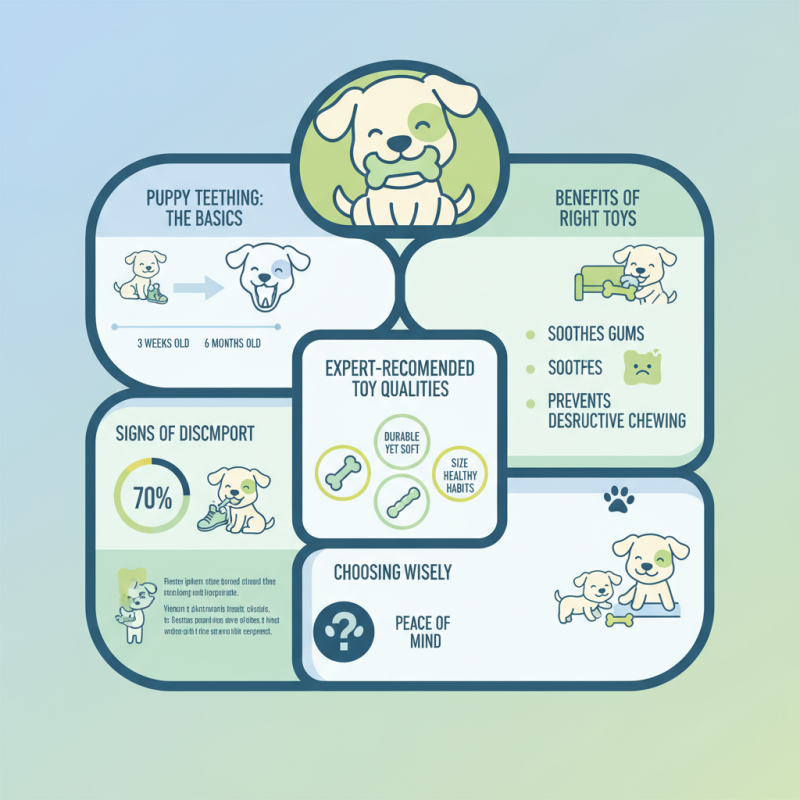
Choosing the right Puppy Teething Toys can greatly impact your puppy's development. Teething is a natural process that starts around three weeks of age and can last until six months. During this time, puppies experience discomfort and may chew on various objects. According to a report by the American Kennel Club, over 70% of puppies show signs of teething discomfort.
Providing appropriate toys can alleviate this discomfort and prevent destructive behavior. Experts suggest that the right Puppy Teething Toys should be durable yet soft enough to soothe sore gums. Many professional trainers recommend options that promote healthy chewing habits.
However, not all toys are created equal. Some may not be safe or effective, leading to confusion among pet owners. Selecting toys based on the puppy's size and chewing strength is crucial. A well-researched choice can enhance your puppy's well-being and your peace of mind during this challenging teething phase.
Choosing the Right Material for Puppy Teething Toys
When selecting teething toys for your puppy, material matters greatly. Soft rubber is a popular choice. It provides the right amount of resistance. However, some puppies prefer firmer textures. They enjoy the challenge of chewing on harder toys. Always consider your puppy's preferences and comfort.
Natural materials like cotton are also excellent. They are safe and often more enjoyable for puppies to chew. However, some may fray. This can create choking hazards. Always supervise playtime closely. Avoid materials that can splinter, like certain types of wood or hard plastic. These can pose risks to your puppy’s teeth and health.
Not all toys are created equal. Some might seem sturdy, but they wear down quickly. Look for reviews that discuss durability. Ultimately, choosing the right material may take trial and error. Observe your puppy's behavior. Adapt your choices based on what keeps them engaged and safe.
Understanding Puppy Teething Phases and Needs
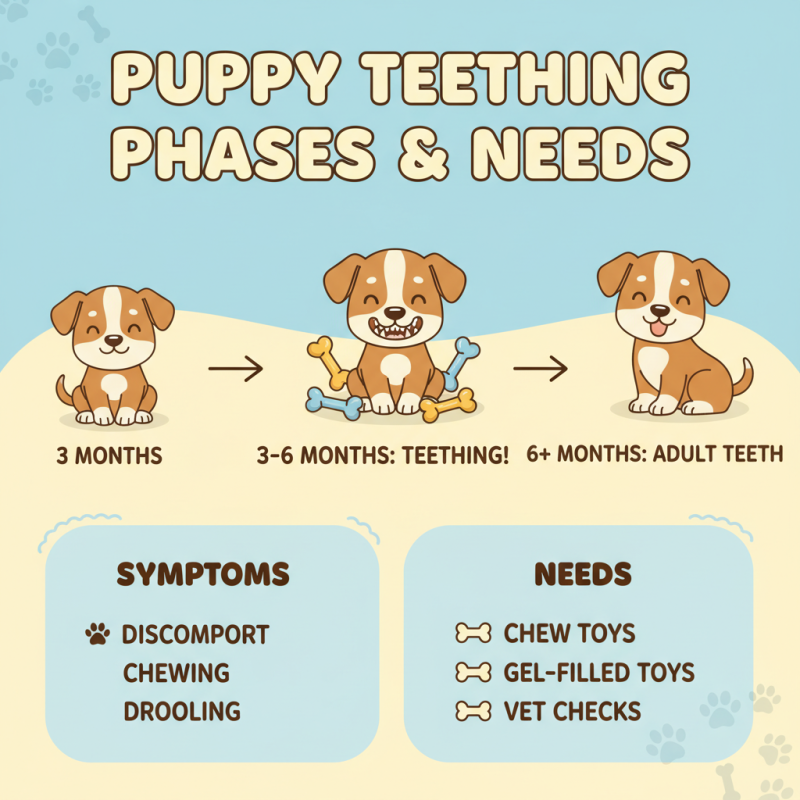
Puppy teething is a critical phase in your pet's development. Puppies typically begin to lose their baby teeth at around three months. This process can last until they are about six months old. During this time, a puppy may experience discomfort. They might chew on various objects to relieve this irritation.
According to recent industry studies, approximately 75% of puppy owners report that their pets indulge in excessive chewing during teething. Understanding this behavior is essential. It ensures that your puppy has suitable toys to teethe on. Look for items made from soft rubber or fabric. Avoid any materials that could splinter or break, as these can be harmful.
**Tips:** Provide a variety of textures. This variety keeps your puppy engaged and satisfied. Rotate toys regularly to maintain interest. Monitor their chewing habits closely. If you see signs of distress, consult a veterinarian for advice.
Puppies may sometimes chew on furniture, shoes, or other household items. This behavior is natural but can be problematic. Address this issue by providing appropriate distractions. Invest in safe, chew-friendly toys that encourage healthy chewing. Remember, the right toy makes a difference in your puppy’s teething experience.
Top Recommended Teething Toys for Puppies
Teething is a crucial stage in a puppy's growth. During this time, their gums may hurt, leading to unwanted chewing behavior. Choosing the right teething toys can help alleviate their discomfort. According to the American Kennel Club, 70% of puppies chew to relieve teething pain. A well-designed teething toy can channel this natural behavior into something positive.
Rubber and nylon toys are popular choices among experts. They provide the needed resilience and texture. Some studies suggest that softer materials may not be as effective. For instance, a 2022 survey indicated that puppies prefer toys that are firm yet flexible. It's crucial to select toys that match your puppy's size, as this ensures safety and usability. Many owners reported a decrease in destructive chewing after introducing suitable teething toys.
While many options exist, not every toy is perfect. Some puppies may lose interest quickly. It's essential to monitor their reactions and switch toys if necessary. Engaging with your puppy during playtime can also enhance the experience. This not only keeps them entertained but fosters a bond. Observing your puppy's preferences can refine your choices.
Safety Considerations When Selecting Teething Toys
When choosing teething toys for your puppy, consider safety above all. Puppies explore the world with their mouths. A toy that is too small could be a choking hazard. It’s crucial to select toys that are the right size for your pup. Check for any sharp edges or small parts that could break off. A toy should be durable and non-toxic. Look for materials that are safe for chewing.
Inspect toys frequently. If you notice wear and tear, it may be time to replace them. Puppies can be quite destructive. Some toys may not hold up well to aggressive chewing. Pay attention to the signs your puppy shows. If they hesitate to chew or seem uncomfortable, the toy may not be suitable. Always prioritize their comfort and well-being.
Consider the texture of teething toys. Softer materials can provide relief during teething but should still be sturdy. A well-chosen toy may ease their discomfort. Reflecting on your puppy's chewing habits can help you find the right fit. Sometimes, trial and error is necessary. Finding the best toys is a journey. Your pup’s safety is paramount each step of the way.
Best Puppy Teething Toys: Material Preferences
The above chart illustrates the popularity of various puppy teething toy materials based on survey data. Rubber toys are the most favored, while canvas toys are less popular.
Tips for Maintaining and Cleaning Puppy Teething Toys
Maintaining and cleaning puppy teething toys is essential for both hygiene and durability. Regular cleaning helps remove bacteria and dirt that can accumulate during playtime. It’s surprising how quickly toys can become messy, especially if they’re used outdoors. A simple wash with warm soapy water usually does the trick. Rinse thoroughly to ensure no soap residue is left behind.
For tougher stains or odor, an occasional soak in a mixture of vinegar and water can be effective. However, be cautious; some toys may not hold up against strong substances. Always check the manufacturer's guidelines before using any cleaning solution. If a toy begins to show signs of wear, it might be time to replace it. Old or damaged toys can pose a choking hazard.
Storage is another important factor. Keep toys in a clean, dry area to prevent mold growth. Rotating toys can also help keep your puppy engaged and reduce wear. It’s common to notice that certain toys become favorites. Monitoring your puppy’s interaction with these toys can provide insights into their favorite textures and shapes. This reflection can guide future purchases and ensure your puppy stays happy and healthy.
What is the Best Puppy Teething Toys for Your Growing Puppy? - Tips for Maintaining and Cleaning Puppy Teething Toys
| Toy Type |
Material |
Recommended Age |
Cleaning Instructions |
Durability |
| Rubber Chew Toy |
Natural Rubber |
3 months - 1 year |
Wash with warm soapy water |
High |
| Soft Plush Toy |
Synthetic Fiber |
8 weeks - 6 months |
Machine washable |
Medium |
| Teething Ring |
BPA-Free Plastic |
2 months - 8 months |
Rinse with water |
High |
| Dental Chew Stick |
Edible Material |
5 months - 1 year |
Store in a cool place |
Varies |
| Frozen Toy |
Silicone |
4 months - 1 year |
Wash and freeze |
High |