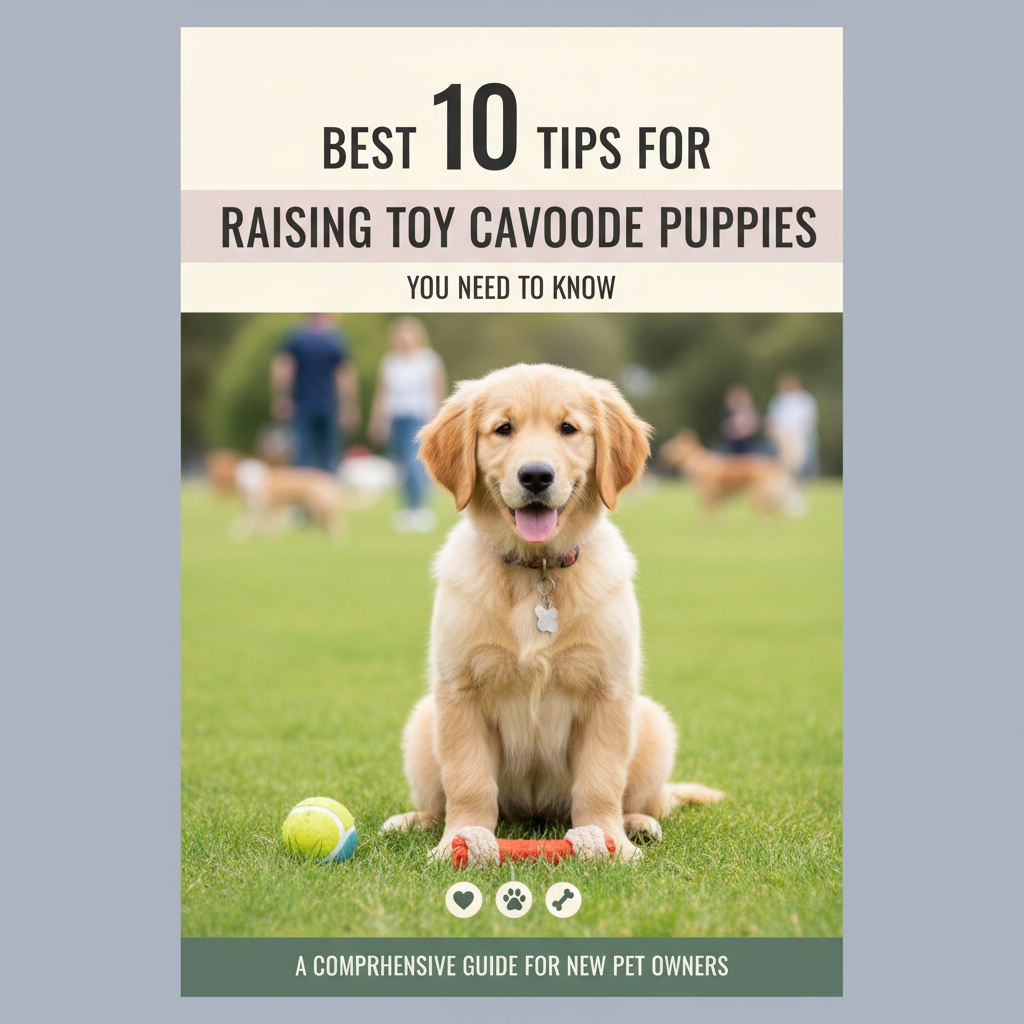
Best 10 Tips for Raising Toy Cavoodle Puppies You Need to Know
Raising Toy Cavoodle Puppies is a rewarding journey that requires dedication and knowledge. As this hybrid breed gains popularity, pet owners are increasingly seeking authoritative guidance to ensure they provide the best care for their furry companions. According to the American Kennel Club, hybrids like the Toy Cavoodle—crossbreeding between the Cavalier King Charles Spaniel and the Toy Poodle—are celebrated for their affectionate nature and intelligence, making them ideal family pets. However, responsible breeding and proper upbringing are paramount to fostering their well-being.
 Renowned pet behaviorist Dr. Steven Whitley emphasizes, "The key to raising happy and healthy Toy Cavoodle Puppies lies in understanding their unique social and emotional needs." As these puppies develop, they thrive on positive reinforcement training and socialization, which are essential for preventing behavioral issues later in life. Furthermore, recent studies indicate that early puppy training programs can significantly enhance the overall temperament and adaptability of Toy Cavoodle Puppies, ensuring they grow into well-adjusted adults.
With the right approach, including nutrition, training, and socialization, new pet owners can lay a solid foundation for their Toy Cavoodle Puppies, setting them on a path of health and happiness throughout their lives. These top 10 tips will provide valuable insights into the best practices for nurturing these delightful companions.
Essential Nutritional Guidelines for Toy Cavoodle Puppies
When raising Toy Cavoodle puppies, providing them with a balanced and nutritious diet is crucial for their growth and development. High-quality puppy food that is specifically formulated for small breeds should be the foundation of their diet. Look for foods rich in protein, essential fatty acids, and important vitamins and minerals to support their active lifestyle. Puppies typically require a higher calorie intake to fuel their rapid growth, so choosing a food that is appropriate for their age and size is essential.
In addition to commercial puppy food, incorporating fresh fruits and vegetables can enhance the nutritional value of their diet. Items like carrots, sweet potatoes, and blueberries are safe and beneficial for these puppies, offering antioxidants and fiber. Always ensure that any additions are safe and cut into small, manageable pieces to prevent choking hazards. Lastly, keep a close watch on their portion sizes to prevent obesity, as Toy Cavoodles can be prone to weight gain. Regular veterinary check-ups will help ensure that their nutritional needs are being met adequately.
Essential Nutritional Guidelines for Toy Cavoodle Puppies
This chart illustrates the recommended daily nutritional intake for Toy Cavoodle puppies based on their age. Ensuring proper nutrition is essential for healthy growth and development.
Establishing a Healthy Routine for Training and Socialization
Establishing a healthy routine for training and socialization is crucial for raising Toy Cavoodle puppies. These intelligent and affectionate pups thrive in environments where they can learn and adapt. Begin with a consistent daily schedule that includes designated times for feeding, potty breaks, playtime, and training sessions. Consistency helps your Cavoodle understand what to expect and when, which can reduce anxiety and improve their ability to learn commands and house manners.
Socialization is equally vital in the early stages of your puppy’s life. Expose them to a variety of sights, sounds, and experiences to create well-rounded, confident dogs. Take your Cavoodle on regular outings to different environments, such as parks and pet-friendly stores, and arrange playdates with other dogs. Positive interactions with new situations and other pets will help your Cavoodle develop their social skills and reduce the likelihood of behavioral issues as they grow. By prioritizing a healthy routine in training and socialization, you'll set the foundation for a happy and well-adjusted adult dog.
Creating a Safe and Stimulating Environment for Your Puppy
Creating a safe and stimulating environment for your Toy Cavoodle puppies is crucial for their healthy development. Start by puppy-proofing your home. Remove any hazards such as electrical cords, toxic plants, and small objects that could be swallowed. Use baby gates to restrict access to potentially dangerous areas like staircases or rooms with unsupervised items. Creating a designated puppy zone not only keeps them safe but also provides a space where they can explore and play freely.
In addition to safety, a stimulating environment can enhance their cognitive and emotional growth. Incorporate a variety of toys that encourage interactive play, such as puzzle feeders and chew toys. Rotate the toys regularly to maintain their interest and prevent boredom. Furthermore, engage in daily activities that include basic training sessions and socialization opportunities. Regular exposure to different people, environments, and sounds will help your Toy Cavoodle develop confidence and adaptability. Ultimately, by providing a nurturing space that balances safety and stimulation, you are setting the foundation for a well-adjusted and happy puppy.
Best 10 Tips for Raising Toy Cavoodle Puppies You Need to Know
| Tip Number |
Tip |
Description |
| 1 |
Create a Safe Space |
Designate a specific area for your puppy to play and rest, free from hazards. |
| 2 |
Proper Socialization |
Expose your puppy to different environments, people, and other animals for healthy development. |
| 3 |
Regular Vet Check-ups |
Schedule vaccinations and health check-ups to ensure your puppy is healthy. |
| 4 |
Establish a Routine |
Set a consistent feeding, potty, and playtime schedule for your puppy. |
| 5 |
Positive Reinforcement |
Reward good behavior with treats and praise to encourage learning. |
| 6 |
Nutrition Matters |
Feed high-quality puppy food to ensure proper growth and health. |
| 7 |
Mental Stimulation |
Provide toys and puzzles to engage your puppy’s mind. |
| 8 |
Training Sessions |
Conduct short training sessions to teach commands and tricks effectively. |
| 9 |
Safe Outdoor Time |
Supervise your puppy during outdoor activities to ensure safety. |
| 10 |
Be Patient and Loving |
Show love and understanding as your puppy learns and grows. |
Understanding Common Health Issues in Toy Cavoodles
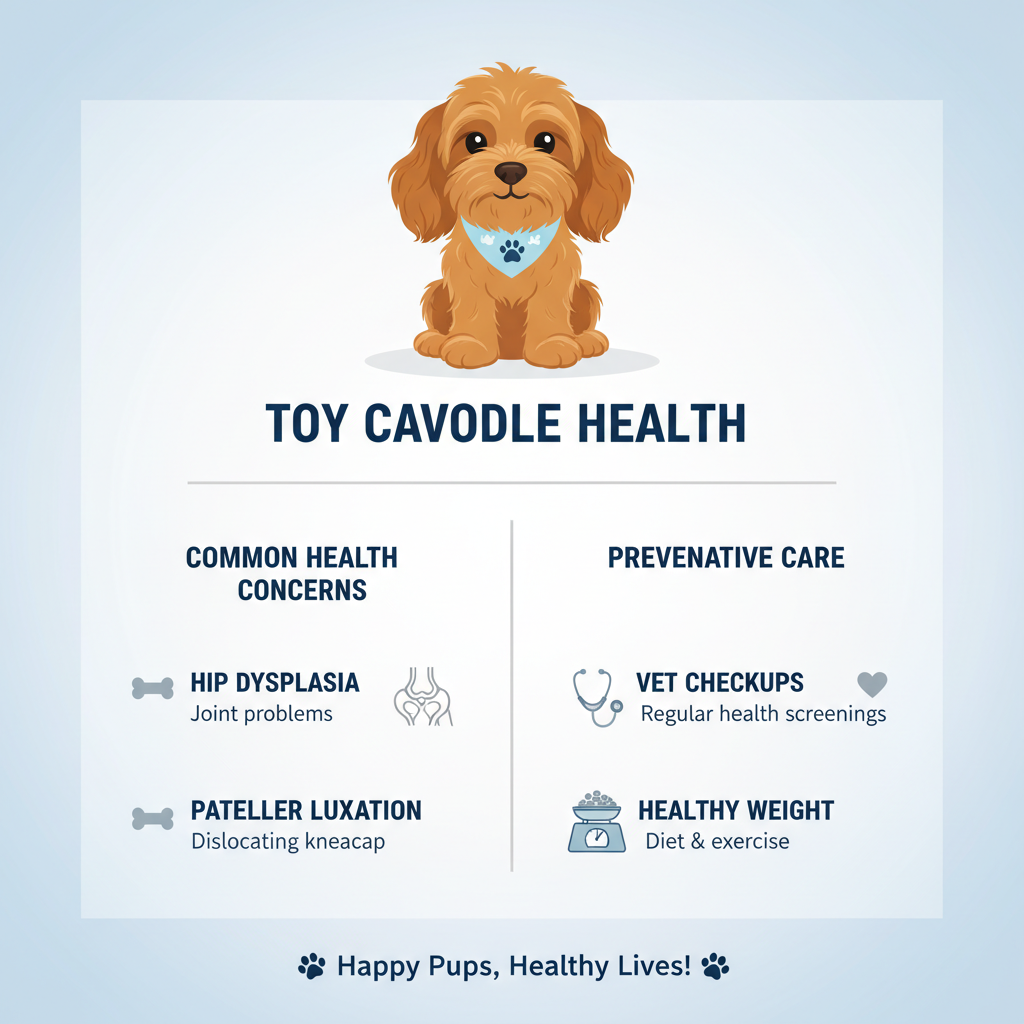
Toy Cavoodles, a delightful mix of Cavalier King Charles Spaniels and Poodles, are known for their playful nature and affectionate temperament. However, potential owners should be aware of certain health issues that may affect this breed. Common ailments include hip dysplasia, a condition that can lead to joint problems, and patellar luxation, where the kneecap dislocates. Regular veterinary check-ups and maintaining a healthy weight can significantly reduce the risk of these issues.
Additionally, Toy Cavoodles may be prone to dental problems due to their small mouths. It is crucial to establish a dental care routine early on, including regular brushing and providing dental chews. Eye conditions, such as cataracts and progressive retinal atrophy, are also prevalent in this breed. As a responsible owner, it's important to monitor your puppy's health closely and seek veterinary advice if any abnormalities are observed. By being proactive about these common health concerns, you can ensure a long and happy life for your Toy Cavoodle.
The Importance of Regular Veterinary Care and Vaccinations
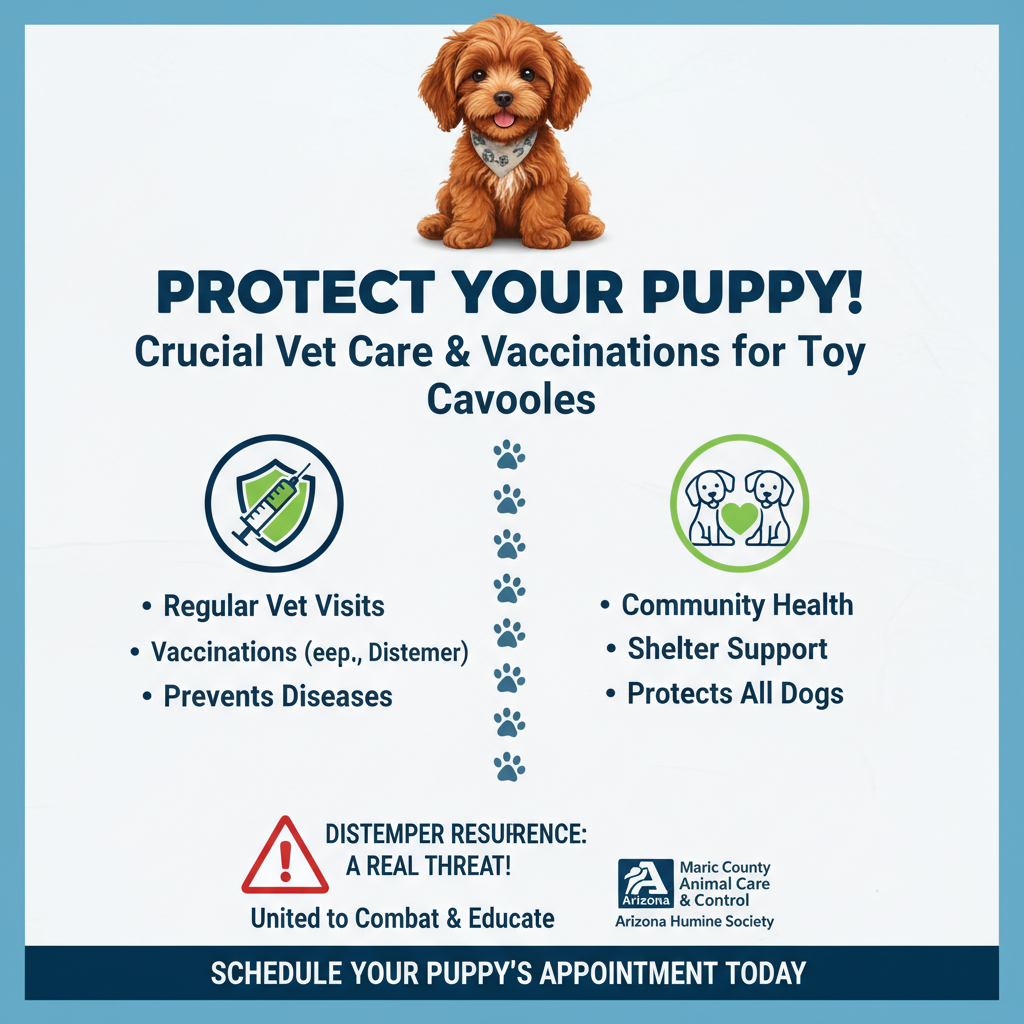
Regular veterinary care and vaccinations are crucial for the health and well-being of Toy Cavoodle puppies. These small, energetic dogs are particularly vulnerable to various diseases, including distemper, which has seen a resurgence in certain regions. In response to these health challenges, several animal welfare organizations, including Maricopa County Animal Care & Control and the Arizona Humane Society, have united efforts to combat the spread of distemper. By promoting awareness and improving access to vaccines, they aim to protect not only shelter animals but also the broader canine population.
Moreover, collaborations with veterinary pharmaceutical companies are enhancing the availability of essential vaccines for shelters. Programs initiated by these organizations ensure that puppies receive timely vaccinations, which are vital for preventing severe illnesses. As the veterinary medicine market continues to expand, an increase in resources and innovation will facilitate better care for pets, reinforcing the critical need for regular veterinary check-ups and vaccinations to maintain a healthy, happy life for Toy Cavoodle puppies.