How to Care for Toy Cavoodle Puppies and Ensure Their Happy Growth
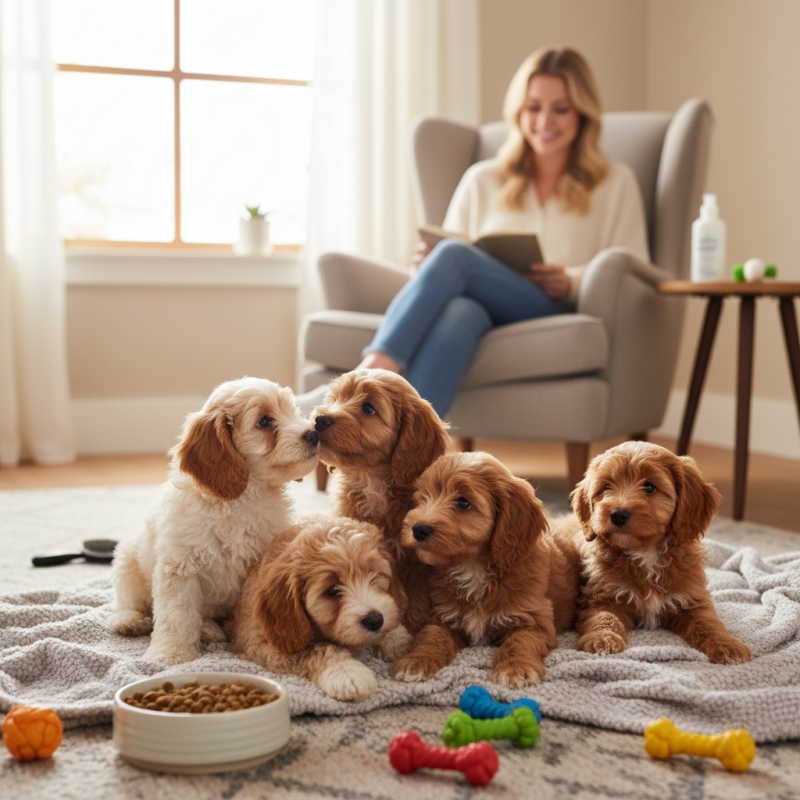
Caring for Toy Cavoodle Puppies can be one of the most rewarding experiences for any dog lover. These adorable hybrids, a mix of Cavalier King Charles Spaniel and Poodle, are known for their playful nature, intelligence, and affectionate demeanor. As a responsible pet owner, it is essential to ensure that these puppies grow in a nurturing environment that promotes both their physical and emotional well-being. Understanding their unique needs—from nutrition and grooming to training and socialization—will help lay a solid foundation for a happy and healthy life.
In this guide, we will explore crucial aspects of caring for Toy Cavoodle Puppies. We will delve into effective feeding practices that provide balanced nutrition, highlight grooming routines to keep their coats in pristine condition, and discuss essential training techniques to foster good behavior and social skills. By addressing these key areas, prospective and current owners can create a loving atmosphere that allows their puppies to thrive, ultimately ensuring that these charming companions grow into well-adjusted adult dogs. Let's embark on this delightful journey of raising Toy Cavoodle Puppies with enthusiasm and dedication.
Essential Nutritional Requirements for Toy Cavoodle Puppies
When caring for Toy Cavoodle puppies, understanding their essential nutritional requirements is crucial for their healthy growth and development. These adorable little companions thrive on a balanced diet that includes high-quality proteins, healthy fats, and a variety of vitamins and minerals. A diet rich in animal protein sources such as chicken, turkey, or fish will help support their muscular development, while healthy fats contribute to their shiny coats and overall vitality.
To ensure that your Toy Cavoodle puppies receive the nourishment they need, consider incorporating a mix of dry and wet food, which can enhance their hydration and make meals more enticing. Gradually transitioning to a premium puppy formula that meets their specific age and size requirements will further support their growth.
Tip: Make sure to feed your puppies multiple smaller meals throughout the day rather than one or two larger ones. This approach not only aids their digestion but also keeps their energy levels stable.
Furthermore, include fresh fruits and vegetables in their diet, like carrots or blueberries, as these are great sources of additional vitamins and antioxidants. Always consult with your veterinarian to tailor a feeding plan that fits your puppy’s specific needs and monitor their weight to prevent obesity.
Tip: Keep fresh, clean water available at all times, as proper hydration is paramount for their health. Regularly check their water bowl to ensure they're staying properly hydrated.
Understanding the Physical Needs of Toy Cavoodle Puppies
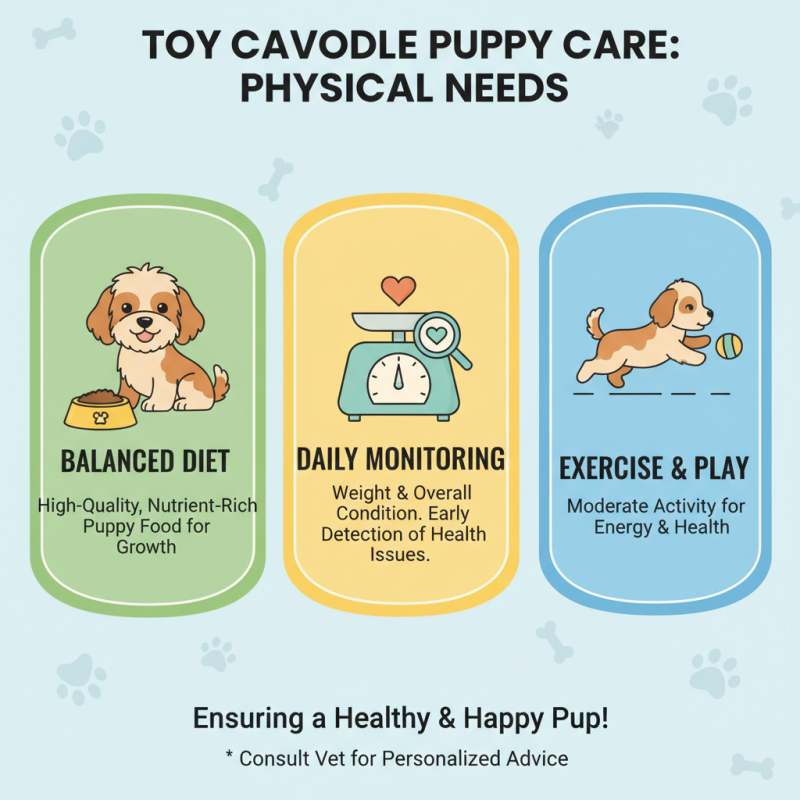
When it comes to caring for Toy Cavoodle puppies, understanding their physical needs is essential for ensuring their health and happiness. These small yet energetic dogs require a balanced diet that caters to their growing bodies, so providing high-quality puppy food rich in nutrients is vital. Since Toy Cavoodles have a predisposition to certain health issues, daily monitoring of their weight and overall condition can help you catch any potential problems early.
Tips: To promote healthy eating habits, consider dividing their food into several smaller meals throughout the day. This not only aids digestion but also helps maintain consistent energy levels.
Exercise is equally important for Toy Cavoodles, as they have both physical and mental needs. Regular walks and playtime are crucial for keeping them fit and preventing boredom. Engaging them in interactive games or puzzle toys can stimulate their minds and keep their bodies active.
Tips: Short but frequent play sessions can be more beneficial than occasional long ones, as Toy Cavoodles tend to thrive in interactive environments that suit their playful nature. Always be attentive to their energy levels and adjust playtime accordingly to keep them from becoming overexerted.
Socialization Techniques for Healthy Emotional Development
Socialization is critical for the emotional development of Toy Cavoodle puppies. According to the American Kennel Club, proper socialization can greatly reduce behavioral problems and enhance a puppy's ability to adapt to new environments and situations. It is essential to expose your Cavoodle to a variety of experiences, people, and other animals during their formative months, typically between 3 and 14 weeks. During this period, experiences that are positive can foster a well-adjusted adult dog, whereas negative interactions could lead to anxiety and fearfulness later in life.
Tip: Start by introducing your Cavoodle to family members, friends, and well-behaved older dogs. Enroll in puppy socialization classes where they can learn proper canine behavior in a controlled and safe environment. Gradually exposing them to different sounds, sights, and smells, such as busy streets, parks, and various household noises, is vital for their development.
Moreover, incorporating structured playdates with other friendly puppies can help build their confidence and teach them vital social skills. Research indicates that around 70% of behavioral problems in dogs stem from inadequate socialization during the critical early development stages. Hence, it is crucial to create positive and enriching experiences that will lay the foundation for a happy and emotionally stable life ahead.
Tip: Always monitor their interactions to ensure they are positive. If your puppy seems overwhelmed or frightened, give them space and comfort to ease their anxiety. Keeping sessions positive will reinforce their ability to handle future situations calmly and confidently.
Socialization Techniques for Toy Cavoodle Puppies
Regular Health Checkups and Vaccination Schedule for Toy Cavoodles
Regular health checkups and vaccinations are essential for ensuring the optimal growth of Toy Cavoodle puppies. According to the American Veterinary Medical Association (AVMA), puppies should undergo their first veterinary visit by six to eight weeks of age. This visit typically includes a thorough physical examination and the initiation of a vaccination schedule. Vaccinations protect against common but serious diseases, including parvovirus, distemper, and hepatitis, facilitating healthy development during their formative months.
For Toy Cavoodles, the vaccination schedule generally includes a series of vaccines starting at six weeks and continuing through 16 weeks. The World Small Animal Veterinary Association (WSAVA) recommends core vaccinations at 8, 12, and 16 weeks, followed by annual boosters. Along with vaccinations, regular health checkups every six to twelve months can help detect potential health issues early, such as dental disease or hip dysplasia, both of which can be prevalent in small breeds. Keeping track of growth patterns and overall health through routine veterinary visits allows owners to provide care that aligns with recognized developmental milestones, ensuring that Toy Cavoodles thrive and enjoy a happy, healthy life.
Creating a Safe and Stimulating Environment for Puppy Growth
Creating a safe and stimulating environment for Toy Cavoodle puppies is essential for their healthy growth and development. According to the American Kennel Club, puppies thrive in environments that offer both safety and enrichment. A well-structured environment minimizes stress and helps with basic training, while interactive elements promote physical and mental stimulation. For example, providing chew toys, puzzle feeders, and safe play areas can cater to their natural instincts to chew and explore, which is vital for their development.
Safety is paramount; ensuring the environment is free from hazards such as toxic plants and choking hazards is crucial. The American Society for the Prevention of Cruelty to Animals reports that many common household items pose a risk to curious puppies. Additionally, designated areas where Toy Cavoodles can play without the risk of escaping or injuring themselves are essential. A fenced yard or a secure playpen can give them the opportunity to explore safely.
Furthermore, incorporating various textures and surfaces, like grass and soft rugs, can enhance sensory experiences, which is particularly important for their cognitive development during the critical early months. By prioritizing these environmental factors, owners can foster a nurturing atmosphere that supports the happy growth of their Toy Cavoodle puppies.