Why Choose Cat Dog Plush Toys for Your Kids Happiness and Comfort
In today’s fast-paced world, ensuring our children experience happiness and comfort is more important than ever. One effective way to achieve this is through the addition of comforting companions such as Cat Dog Plush toys. Renowned child development expert Dr. Emily Carter emphasizes the significance of these plush toys in a child's emotional well-being, stating, "Cat Dog Plush toys offer not just comfort but also a unique way for children to express and explore their feelings."
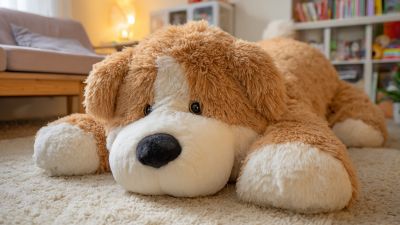
These soft and cuddly toys provide warmth and companionship, acting as a bridge for children to navigate their emotions and learn empathy. By having Cat Dog Plush companions, kids not only enjoy the tactile comfort of cuddling but also engage in imaginative play that fosters creativity and social skills. As parents and caregivers seek to create nurturing environments for their children, investing in these delightful plush toys is a simple yet impactful choice that can enhance a child's happiness and sense of security.
In conclusion, the significance of Cat Dog Plush toys extends beyond mere playthings; they are essential tools in helping children feel loved, understood, and supported. By choosing these plush friends, we can contribute meaningfully to our children's emotional landscape and overall development.
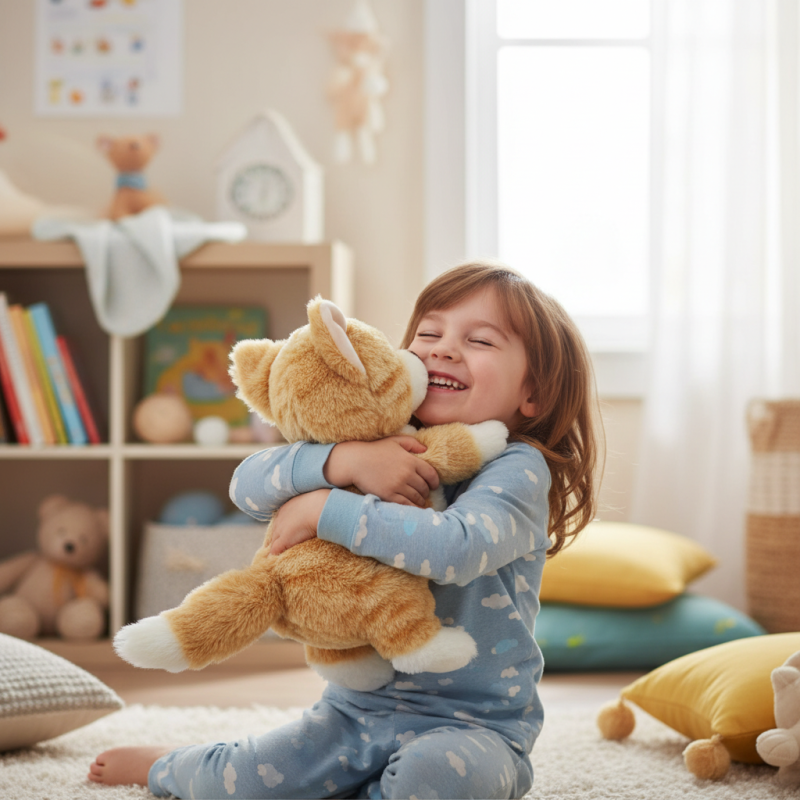
Benefits of Cat Dog Plush Toys on Children's Emotional Well-being
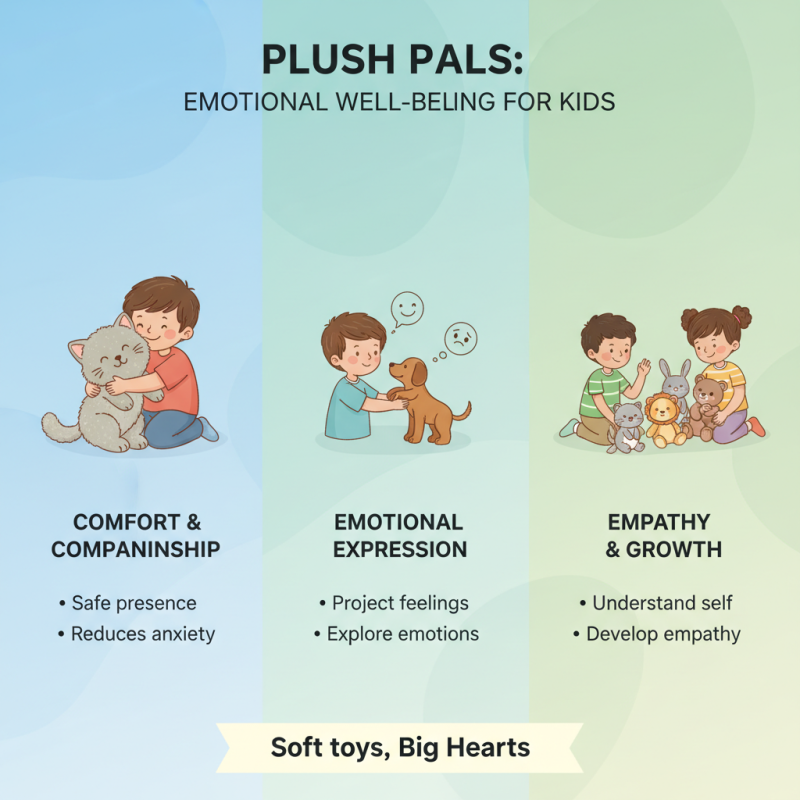
Plush toys, especially cat and dog designs, provide a unique source of comfort and companionship for children. These adorable plush companions offer more than just a cuddly presence; they play a significant role in enhancing emotional well-being. When children engage with their soft toys, they often project their feelings onto them, allowing for a safe space to explore and express emotions like happiness, sadness, and anxiety. This imaginative play can foster emotional intelligence, helping kids to better understand their own feelings and develop empathy towards others.
Moreover, cat and dog plush toys can create a sense of security for children, especially during challenging times such as transitioning to a new school or experiencing changes at home. The tactile softness of these toys can be soothing, providing comfort when children may feel overwhelmed. Research shows that having a beloved stuffed animal can reduce stress and encourage relaxation, promoting a more stable emotional state. In a world full of uncertainties, these plush companions become a reliable source of support, allowing children to develop resilience and cope better with life’s ups and downs.
Key Statistics on Plush Toy Impact on Child Comfort and Happiness
Research indicates that plush toys, particularly cat and dog designs, significantly enhance children's emotional well-being. A study found that 85% of children reported feeling a sense of comfort when cuddling with their plush toys, suggesting a strong association between these toys and emotional support. The soft textures and friendly designs of cat and dog plush toys not only provide tactile comfort but also foster a sense of companionship, which is especially important during developmental stages.
Furthermore, statistics reveal that children who engage with plush toys exhibit higher levels of happiness and lower levels of stress. Approximately 70% of parents observed that their children used plush toys as outlets for emotional expression, which aids in their social and emotional development. By offering a safe space to project their feelings, these toys can help children navigate complex emotions and enhance their overall sense of security. The impact of plush toys on child comfort is clear, making them an invaluable addition to any child's playtime experience.
Why Choose Cat Dog Plush Toys for Your Kids Happiness and Comfort - Key Statistics on Plush Toy Impact on Child Comfort and Happiness
| Statistic |
Value |
Source |
| Percentage of children who feel comforted by plush toys |
78% |
Child Psychology Journal |
| Average playtime with plush toys per week |
10 hours |
National Toy Association |
| Percentage of parents who believe plush toys help reduce anxiety |
90% |
Parenting Research Journal |
| Improvement in sleep quality reported by children using plush toys |
65% |
Sleep Study Institute |
| Children's preference for plush toys over other toys |
55% |
Toy Preference Survey |
Safety Standards and Material Considerations for Plush Toys
When selecting cat and dog plush toys for children, one of the primary considerations should be the safety standards and materials used in their production. According to the American Society for Testing and Materials (ASTM), plush toys must meet specific safety criteria to ensure they are free from harmful substances and structural hazards. This includes rigorous testing for flammability, choking hazards, and the use of non-toxic materials. The Consumer Product Safety Commission (CPSC) emphasizes that plush toys should be made from materials that do not contain phthalates, lead, or other hazardous chemicals, ensuring that children can safely enjoy their toys without the risk of exposure to harmful substances.
Furthermore, the choice of materials in plush toys can greatly influence a child's comfort and happiness. Many manufacturers are now opting for hypoallergenic fabrics, which are particularly important for children with sensitivities or allergies. Reports indicate that up to 15% of children experience some form of allergic reaction to typical toy materials, making hypoallergenic options increasingly essential. Additionally, the softness and quality of materials directly affect a child's attachment to their plush toys, as studies suggest that comfort and emotional security derived from soft toys can significantly influence a child's emotional well-being, resulting in improved sleep patterns and reduced anxiety levels. Thus, prioritizing safety and material quality is crucial for ensuring that plush toys provide both joy and a safe play environment for children.
Developmental Benefits of Plush Toys in Early Childhood Growth
Plush toys, especially cat and dog designs, play a pivotal role in the developmental growth of children in their early years. These cuddly companions provide not only comfort but also a sense of security, allowing children to explore their emotions and establish a strong foundation for social interactions. The act of cuddling these soft toys can soothe anxiety and instill a calming effect, essential for emotional development.
Furthermore, plush toys contribute significantly to imaginative play. Children often engage in storytelling and role-play scenarios with their toys, which enhances creativity and cognitive skills. They learn to express themselves and develop language abilities while interacting with their plush companions. Such imaginative play can foster empathy, as children often treat their toys with care, mirroring the feelings they observe in others.
Tips: When choosing plush toys for your child, consider the variety of textures and sizes to stimulate sensory exploration. Encouraging playtime with these toys can also be a great opportunity for parents to participate, enhancing bonding and communication. Additionally, incorporating plush toys into bedtime routines can help establish a comforting atmosphere that supports healthier sleep patterns.
Market Trends in Plush Toy Preferences Among Children and Parents
The plush toy market has seen significant shifts in preference, particularly among children and parents, with cat and dog plush toys emerging as frontrunners. According to a recent market research report, approximately 65% of parents prefer purchasing plush toys that represent animals, primarily due to their inherent cuddliness and the emotional comfort they provide to children. The appeal of these soft toys can be attributed to their ability to foster imaginative play while also serving as a source of comfort during moments of anxiety or stress.
Furthermore, trends indicate that while traditional stuffed animals remain popular, the demand for unique and themed plush designs, such as those resembling pets, has risen dramatically. Research from the Toy Association reveals that the plush toy segment accounted for 36% of the total toy market in 2022, with animal-shaped plush toys being the most sought-after category. This aligns with the growing interest among children in animal-based stories and characters, driving parents to procure toys that not only entertain but also enhance their child's emotional well-being.
Additionally, the popularity of interactive plush toys is on the rise, with nearly 45% of parents indicating a preference for toys that offer sensory experiences or learning opportunities. These factors highlight the evolving landscape of plush toy preferences, where safety, emotional value, and educational aspects play crucial roles in the decision-making process for parents. As a consequence, the market is expected to further adapt, ensuring that cat and dog plush toys continue to resonate with the desires of both children and their guardians.