How to Choose the Best Cat Dog Plush for Your Pet?
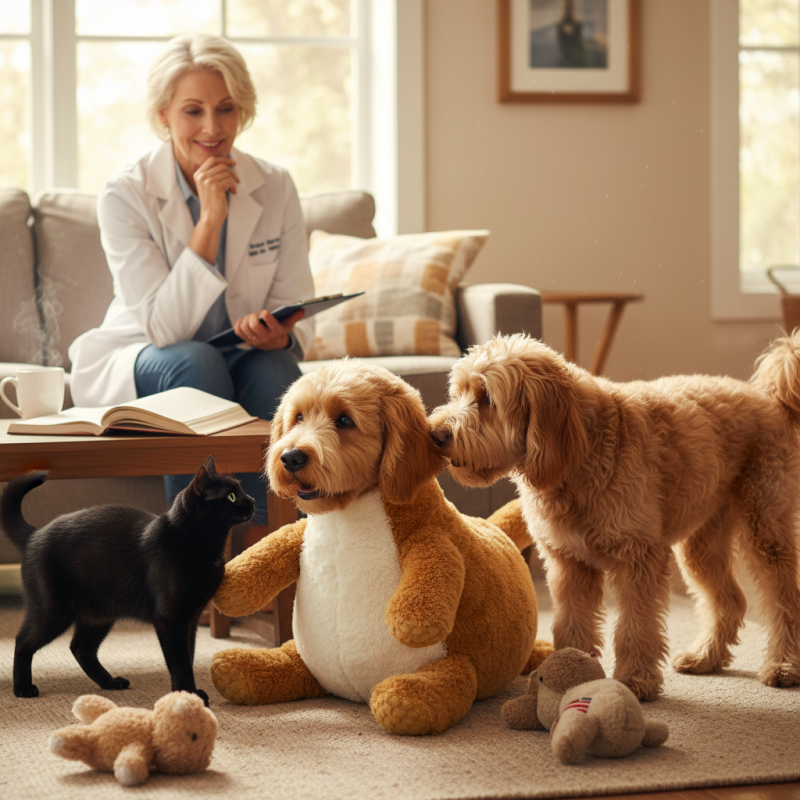
In the world of pet toys, selecting the right "Cat Dog Plush" can be a daunting task. Renowned pet expert Dr. Emily Sanders emphasizes this issue in her words, “Not every plush toy suits every pet; understanding their needs is essential.” Different pets have unique preferences and habits.
While some cats adore soft textures, certain dogs prefer durability. Think about your pet's chewing style and play behavior. The variety of options can overwhelm any pet owner. Quality, safety, and size must be considered to ensure comfort and enjoyment for your pet.
Not all plush toys last. Many quickly become worn out, leaving us second-guessing our choices. Observing your pet’s reactions after a few days of play is crucial. Look for signs of interest or boredom. It’s a learning process, and there's always room for improvement in choosing the best "Cat Dog Plush" for your furry friend.
Understanding Your Pet's Preferences and Needs
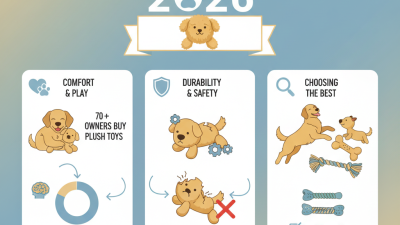
When choosing the best plush toy for your cat or dog, understanding their preferences is crucial. Research shows that pets often prefer toys that mimic real prey. According to a survey by the American Pet Products Association, about 70% of pet owners report that their pets show significant interest in plush toys that resemble small animals. This connection to instinct can guide your choices.
Consider the texture of the plush toy. A survey indicated that 62% of pets gravitate towards soft, fuzzy materials. Dogs may enjoy chewing on plush toys, while cats might prefer something that they can bat around. A mix of textures can satisfy both types of pets. However, not every pet will respond the same way. Some may shy away from plush toys altogether. Observing your pet's behavior is essential for making the right choice.
Size matters too. A plush toy that is too large can intimidate a small pet. Conversely, a too-small toy might be a choking hazard. A recent study found that toys should be proportional to the pet's size. Most importantly, if your pet seems uninterested, don't force them to play. Reflect on their preferences and try different types instead.
Evaluating Materials and Safety Features in Plush Toys
When choosing a plush toy for your pet, materials matter. Look for soft fabrics that feel good. Natural fibers like cotton are often safer than synthetic ones. Avoid toys with small parts, as they can be choking hazards. A plush toy should be durable yet gentle on your pet's teeth.
Tips: Always read labels. Check for approved safety standards. If your pet has allergies, avoid materials that can trigger reactions. Watch how your pet interacts with the toy. If they tear it easily, it might not be suitable.
Pay attention to stitching. Well-sewn toys are less likely to fall apart. Loosely stitched items can create dangers. A good plush toy should withstand rough play. Yet, accidents do happen. Regularly inspect the toy for wear and tear. Replace it if you notice any damage. This will ensure your pet’s safety and enjoyment.
Comparing Sizes and Shapes for Optimal Playtime
Choosing the right plush toy for your cat or dog requires careful consideration of sizes and shapes. Pets engage differently with toys based on these factors. According to a study by the Association of American Feed Control Officials (AAFCO), 70% of pet owners report their pets prefer toys that match their size. Smaller pets often gravitate towards plush toys that they can easily carry. Larger dogs, however, may enjoy bigger toys that can withstand rough play.
Shapes are also crucial in enhancing playtime. A round toy might encourage a cat’s instinct to pounce, while a cuddly stuffed animal could provide a comforting companion for a dog. The American Pet Products Association highlights that toys shaped like prey animals, such as mice or birds, stimulate a pet’s natural hunting instincts. Yet, not all pets may react positively; some may be indifferent or overwhelmed. Finding the right balance of size and shape can be challenging.
Moreover, the material’s texture and durability can affect playtime satisfaction. Soft, plush fabrics are inviting but may not last long with aggressive players. Some dismiss the durability of plush toys, leading to quick wear and tear. This calls for thoughtful experimentation. Observing your pet’s preferences over time can yield valuable insights into what truly delights them and what doesn’t engage their interest at all.
Examining Durability and Maintenance Requirements
When selecting a plush toy for your pet, durability is crucial. Look for materials that can withstand biting and tugging. Strong seams can prevent the toy from falling apart too quickly. Your pet may have a tendency to chew, so consider toys made from tough fabrics. However, even with sturdy options, accidents happen. A plush toy might still develop holes over time. Inspect it regularly for wear and tear.
Maintenance is equally important. Many plush toys are machine washable, which is a plus for pet owners. Washing can remove dirt, hair, and odors. However, not all toys hold up well in the wash. Some may lose their shape or become less soft. You should be prepared for this possibility. After a few washes, the toy may not look the same. Check the care instructions before making a buy.
Choosing the right plush for your pet isn’t just about fun. It’s also about creating a safe environment. A toy that easily falls apart can pose choking hazards. Always keep an eye on your pet while they play. Even the best-quality toys require supervision. Finding a balance between durability and ease of care is key for a happy pet.
Budgeting for Quality: Cost vs. Benefits of Plush Toys
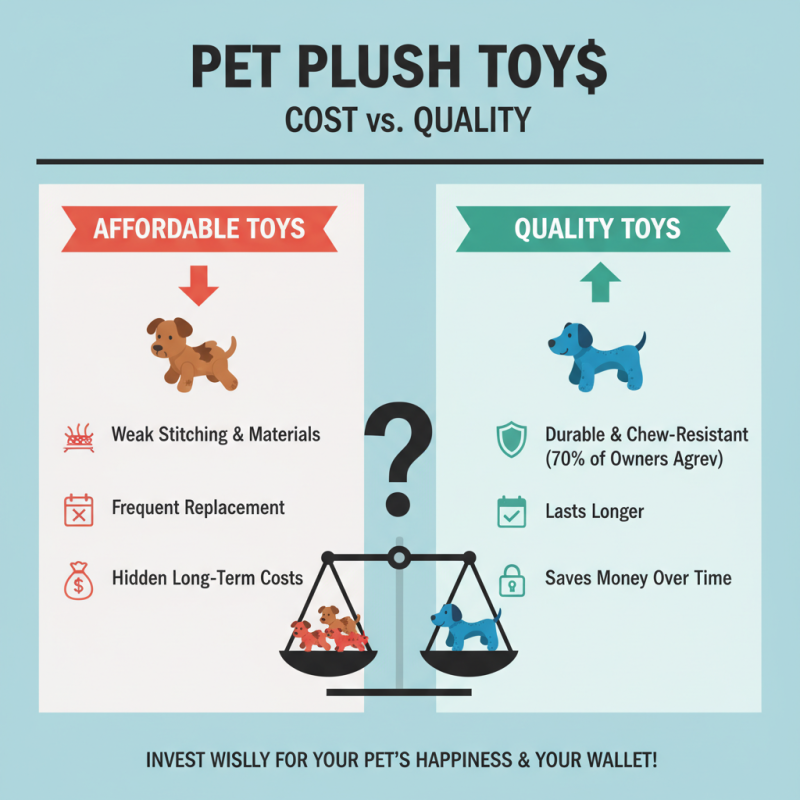
When selecting plush toys for your pets, evaluating cost versus quality is vital. A recent industry report indicates that 70% of pet owners consider durability as a primary factor. Plush toys should withstand chewing and rough play. However, more affordable options often lack adequate stitching and sturdy materials. You may find yourself replacing cheaper toys more frequently, leading to unforeseen costs in the long run.
Quality plush toys can range significantly in price. A survey by the Pet Industry Association found that toys priced above $15 usually offer better longevity and safety features. Investing in a quality toy can reduce the likelihood of harmful materials. Soft, non-toxic fabrics are essential, particularly for dogs and cats that love to chew. Striking a balance between affordability and safety is crucial.
While a plush toy may look appealing at a lower price, the hidden costs can pile up. Pets may chew through cheaper toys in days. This leads to disappointment, and potential hazards from ingesting parts of those toys. When budgeting, allocate funds for better options, even if they seem pricier upfront. Inconsistent quality across brands means thorough research is necessary. The choice of plush toy ultimately affects your pet's well-being.