How to Choose the Best Cat Kicker Toy for Your Feline Friend?
Choosing the best Cat Kicker Toy for your feline friend can be a fun yet challenging task. Not all toys are created equal. Each cat has unique preferences. Understanding these preferences can enhance your cat's playtime experience. A well-chosen Cat Kicker Toy can provide both entertainment and physical exercise.
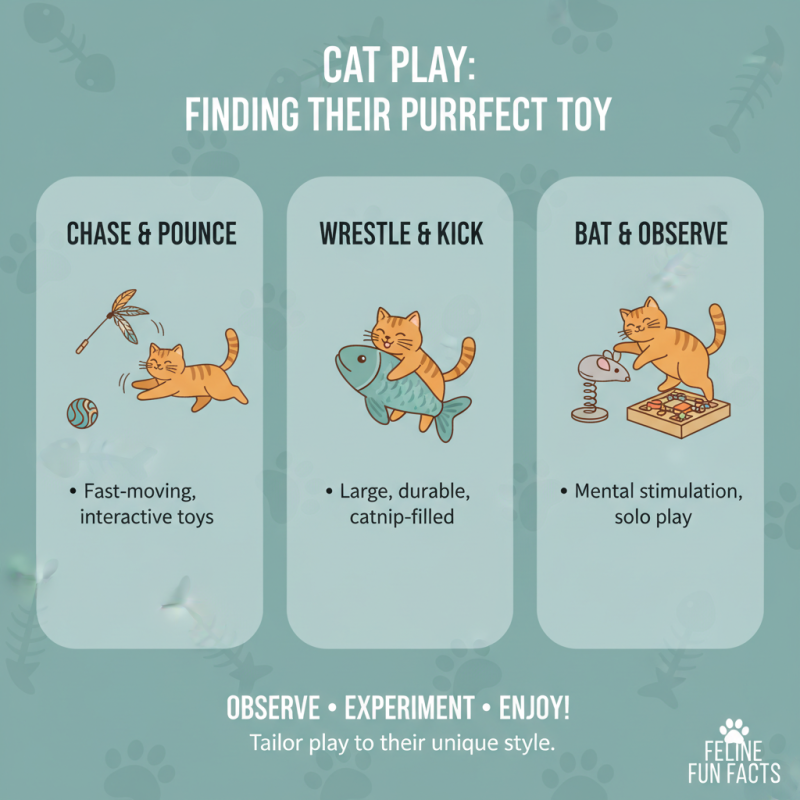
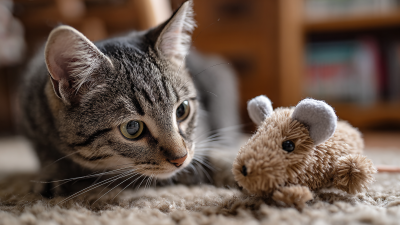
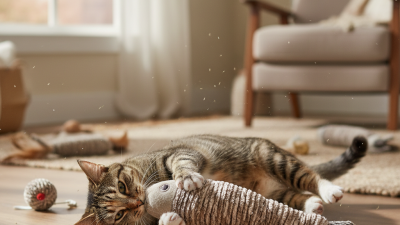
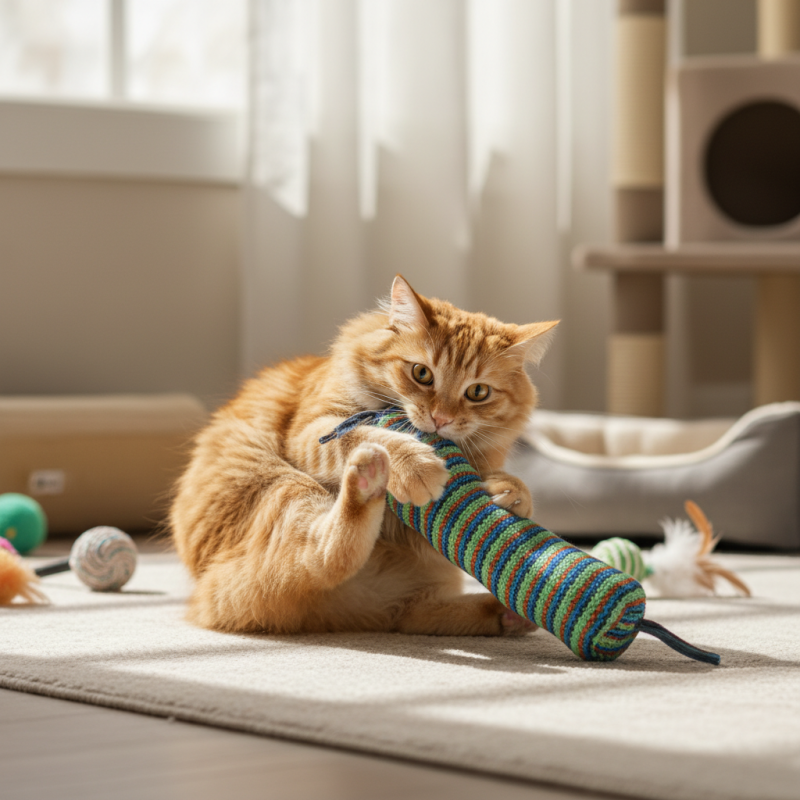
Consider materials and size. Some cats prefer soft, plush toys. Others may favor more durable options. The shape matters too. A kick toy that fits between their paws is often more appealing. Cats naturally love to pounce, kick, and wrestle with their toys. A toy that mimics prey can engage their hunting instincts.
Another aspect to reflect on is safety. Ensure that the materials are non-toxic. Look out for loose parts that could pose a choking hazard. Observing your cat's interactions with various toys can offer insight. Sometimes, a seemingly perfect toy might be ignored. Evaluating your cat's feedback is key. Finding the right Cat Kicker Toy can lead to satisfied, active, and happy cats.
Understanding Your Cat's Play Preferences and Behavior
Understanding your cat's play preferences is crucial in selecting the best kicker toy. Cats have different styles of play, influenced by their personality and energy levels. Some enjoy chasing, while others prefer wrestling or kicking. Observe your cat's interactions with various toys. Do they pounce and grip? Or bat at them and walk away? This helps in identifying what excites them the most.
Kicker toys typically mimic prey, appealing to cats’ hunting instincts. The size, texture, and sound can impact their interest. A fabric that is soft yet durable might be preferred. Incorporating crinkly materials or catnip can enhance engagement. However, not all cats respond to catnip. If yours doesn’t, consider other sensory features instead. It's essential to reflect on these characteristics when shopping.
Playtime is also a chance to bond. Watch your cat’s reactions closely. Do they seem engaged or indifferent? The right toy should inspire active play. If a toy doesn’t work out, don’t be discouraged. Experimentation is necessary. Each cat is unique, and nurturing their preferences takes patience and observation.
Types of Cat Kicker Toys: Materials and Design Considerations
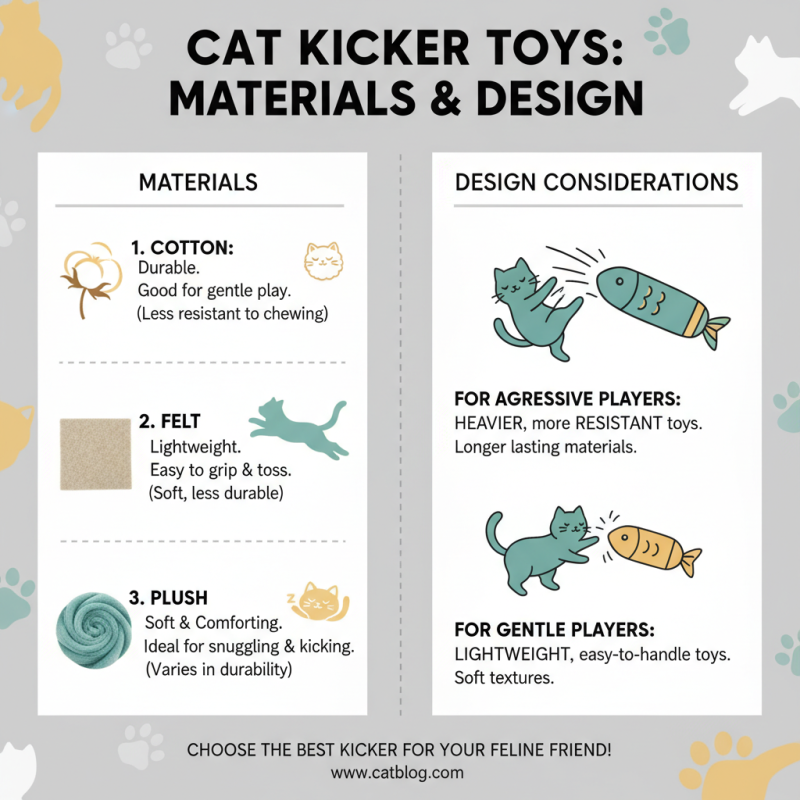
When selecting a cat kicker toy, consider the materials and designs that best suit your feline friend. Common materials include cotton, felt, and plush. Cotton is durable but may not be ideal for aggressive players. Plush toys are soft and comforting, while felt toys are lightweight for easy handling. Think about your cat’s habits; heavier toys can provide more resistance for kicking.
Design is equally important. Some kicker toys are simple tubes, while others have added features like crinkly sounds or catnip compartments. These elements can stimulate your cat's interest and playfulness. Bright colors and fun patterns can also entice your cat to engage more.
Tips: Choose a toy that matches your cat’s personality. If your cat loves to pounce, opt for a more structured design. Watch how your cat interacts with the toy. If it loses interest quickly, it might not be the best choice. Lastly, ensure that the toy is safe, with no small parts that could be swallowed. Trial and error can lead to the perfect toy that keeps your furry friend entertained for hours.
Evaluating Size and Shape for Optimal Engagement
Choosing the right cat kicker toy involves careful consideration of size and shape. Cats are unique, and their preferences vary. A well-sized toy engages them better. If a toy is too small, it can be easily flipped over or tossed away. However, if it's too large, it might be hard for your cat to manipulate. Cats generally prefer toys they can easily grab and kick with their back paws.
For optimal engagement, look for toys shaped like a torpedo or a long cylinder. These shapes allow cats to use their natural kicking instincts. A curve or a bulge can intrigue them further. Experimenting with different shapes will help you find the best fit for your feline friend.
Tips for Selection:
- Observe your cat's current play habits. What shapes do they seem to enjoy?
- Consider textures. Cats love to scratch and knead. A mixed texture can enhance their excitement.
- Don't hesitate to try out multiple options. Your cat's preferences may surprise you. The perfect toy could be one they initially ignored.
Safety Features to Look for in Cat Kicker Toys
When selecting a cat kicker toy, safety is paramount. Many toys are made with various materials that can pose risks. Always ensure the toy is non-toxic and free of harmful chemicals. Research indicates that 30% of cat injuries come from toys not designed with safety in mind. Opt for toys with securely stitched seams and no small parts that could be chewed off. These features prevent choking hazards.
Consider the materials used in cat kicker toys. Natural fibers like cotton or hemp are preferable. These materials are less likely to irritate your cat's skin. A study by the American Society for the Prevention of Cruelty to Animals (ASPCA) found that cats are less likely to develop allergies when exposed to natural materials. Avoid synthetic fillers that may cause discomfort or pose health risks if ingested.
Reflecting on durability is also crucial. Toys that easily fall apart can become dangerous. Monitoring wear and tear helps identify when a toy is no longer safe. Careful observation over time can lead to better choices in future purchases. Keeping your feline friend safe should always be the priority when selecting a kicker toy.
Budgeting for Quality: Finding the Right Price for Cat Toys
When budgeting for a cat kicker toy, quality should not be compromised. A recent study indicated that pet owners are willing to spend up to $30 on durable toys. Spending less often means sacrificing materials and safety. Cheaper toys can break easily, posing risks to your cat.
Experts recommend assessing the toy's construction and materials. Look for non-toxic stuffing and sturdy fabric that withstands rough play. A durable kicker toy not only lasts longer but also keeps your cat engaged. Engaged cats are less likely to develop behavioral issues, according to feline behaviorists.
It’s also essential to consider your cat's preferences. Some might ignore cheaper toys that lack sensory appeal. Investing in a higher-quality toy tailored to your cat's likes can be beneficial. Pay attention to reviews and recommendations from trusted pet therapists. If your budget is tight, consider handmade options. These can be more reliable than mass-produced toys. Each purchase should reflect a balance between affordability and quality.