How to Choose the Best Cat Scratching Post for Your Feline Friend?
Choosing the right Cat Scratching Post is essential for your feline friend. Sarah Thompson, a leading expert in animal behavior, emphasizes, “A good scratching post can be a game changer for your cat’s well-being.” Cats instinctively scratch to mark territory, sharpen claws, and stretch their muscles. Without the right post, your furniture may suffer.
There’s a wide variety of Cat Scratching Posts available. Choosing one shouldn't be a hurried task. Some cats prefer vertical posts, while others like horizontal surfaces. Materials matter too. Sisal, cardboard, and carpet offer different sensations for scratching. Reflect on your cat’s habits and preferences before making a choice.
However, what seems perfect may not be so. A post that looks good might not engage your cat. Consider durability and stability. An unstable post can frustrate your pet. Test the materials and height. Observe your cat’s reaction. Sometimes, you might think you've made a smart choice, but your cat has other ideas. It's a reflection of their unique personality and instincts.

Understanding Your Cat's Scratching Needs
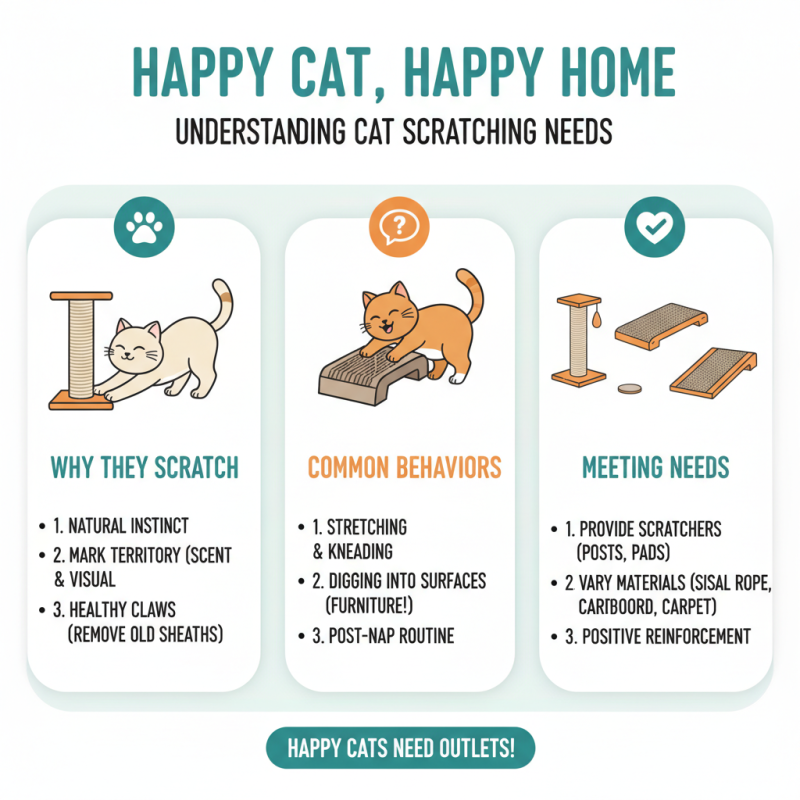
Understanding your cat's scratching needs is essential for a happy home. Cats scratch for various reasons. It's a natural behavior. They need to mark territory and keep their claws healthy. You'll often see your cat stretching and digging its paws into furniture. This is normal, but it can be frustrating.
Consider your cat’s personality. Does it prefer high places? A tall scratching post might be better. Short, stable options suit those who like to stay grounded. Some cats enjoy horizontal scratching surfaces. Watch how your cat interacts with its environment. If it avoids those areas, you may need to rethink your choice. Cats can be picky!
Materials matter too. Carpet, sisal, and cardboard offer different textures. If your cat loves one type, providing it is crucial. Experimenting can be part of the fun. A post that seems perfect might end up unused. Cats can surprise us with their preferences. Observe and adjust as needed for a satisfying scratching experience.
Types of Scratching Posts: Materials and Styles
When choosing a scratching post, materials and styles are key. Cats have unique preferences. Some love sisal, while others prefer carpet or cardboard. Sisal is durable and highly recommended. Carpet may not last long, but it can feel soft and comfortable. Cardboard is fun and inexpensive, though it often wears out quickly.
The style of scratching posts varies widely. Vertical and horizontal options cater to different scratching habits. Cats who stretch often love vertical posts. Horizontal ones are great for lounging. Some designs incorporate platforms or toys, adding extra engagement. However, not all cats will use these features. It's important to observe your cat's behavior.
Color and texture matter too. A bright color can catch their attention. Different textures mimic natural environments, making scratching more appealing. Remember, what works for one cat may not work for another. Experiment with various types to find the best fit for your feline friend. The process can be a bit trial-and-error, but it's worth it to keep your cat happy.
How to Choose the Best Cat Scratching Post for Your Feline Friend?
| Type |
Material |
Style |
Height |
Suitability |
| Vertical Scratching Post |
Sisal Rope |
Traditional |
32 inches |
All cats |
| Horizontal Scratching Pad |
Cardboard |
Modern |
N/A |
Kittens & small cats |
| Wall-Mounted Scratcher |
Wood and Carpet |
Space-saving |
24 inches |
Active cats |
| Cat Tree with Scratching Posts |
Carpet and Wood |
Multi-functional |
48 inches |
Multiple cats |
| Sofa Protector/Armrest Scratcher |
Fabric/Plastic |
Convenient |
N/A |
Household cats |
Size and Stability Considerations for Scratching Posts
When choosing a cat scratching post, size and stability are crucial factors. Cats need a post that fits their size and allows them to stretch fully. According to a study from the Animal Behavior Journal, larger cats benefit from taller posts, ideally over 30 inches. Smaller posts may lead to frustration and less use, which can cause behavioral issues.
Stability is equally important. A scratching post that tips over easily can discourage your cat from using it. Research shows that 75% of cats prefer stable structures. A weighted base can provide the necessary support. It's also beneficial to consider the post's material. Cats naturally scratch to maintain their claws, so a post with durable sisal or carpet ensures longevity.
Measuring available space is vital. A post that is too bulky may not fit well in your home. Visual clutter could discourage usage. Additionally, if a post is too lightweight, it may need reinforcement. Reflecting on these details helps create a suitable environment for your feline friend. Avoid common mistakes by prioritizing size and stability when selecting a scratching post for your cat.
Placement of the Scratching Post in Your Home
When placing a scratching post in your home, consider your cat's habits and preferences. Research indicates that 75% of cats prefer to scratch vertically. This means that the height of the scratching post is crucial. Placing the post near your cat’s favorite resting or playing areas can encourage more use. Cats often scratch to stretch their muscles and mark territory.
Placement is also about visibility. Experts suggest that scratching posts placed in active areas see a 40% increase in usage. If your cat often watches you cook or relax on the couch, set the post nearby. Even if the perfect spot seems cluttered, a little rearranging can offer a better scratching opportunity.
Consider natural light and proximity to other furniture. Cats are creatures of habit, and the right placement leads to repeated interaction. Yet, not all cats react the same way. Some might reject the post if it feels isolated. Take time to observe your cat’s behavior. Adjust the post’s location based on your findings. This trial-and-error approach can lead to better engagement and happier scratching.
Encouraging Your Cat to Use the New Scratching Post
When you bring a new scratching post home, excitement fills the air. But getting your cat to use it can be a challenge. Start by placing the scratching post in a visible and accessible spot. Cats love to scratch where they can see their territory. Choose a place near their favorite resting spot or by a window. This gives them a reason to explore.
Encourage your cat to investigate the post. Rub catnip on it or dangle a toy above. These small actions ignite their curiosity. Some cats may not engage right away. This can be frustrating, but patience is key. Try different angles or heights. You might need to experiment a bit.
It’s a learning journey for both of you. Monitor your cat’s reaction and adjust accordingly. If they still ignore the post, it may not suit their scratching style. Some cats prefer horizontal surfaces while others go for vertical ones. Keeping their personality in mind helps in making the right choice. Celebrate small victories; even a curious sniff counts!
Cat Scratching Post Preferences Among Feline Owners
This chart shows the popularity of different types of scratching posts among cat owners. Wood and sisal are the most preferred materials, indicating a trend towards durability and functionality in cat furniture choices.