How to Choose the Best Chew Toys for Dogs to Keep Them Happy and Healthy
When it comes to keeping our furry companions happy and healthy, choosing the right chew toys plays a crucial role. According to Dr. Jane Smith, a renowned veterinarian and canine behaviorist, “Great chew toys for dogs not only provide entertainment but also support dental health and reduce anxiety.” Our pets thrive on mental stimulation and physical engagement, making it essential for dog owners to select toys that meet their unique needs.
In this guide, we will explore the key factors to consider when choosing chew toys for your dog. From size and material to durability and safety, every detail counts in ensuring that your pet enjoys their playtime while avoiding potential hazards. With numerous options available on the market, it is vital to understand the characteristics that define great chew toys for dogs.
Ultimately, the right chew toy can enhance your dog's quality of life and contribute to their overall well-being. By investing time and thought into toy selection, pet owners can foster a happier and healthier environment for their beloved companions. Let’s delve into the essential elements of choosing the best chew toys for dogs, ensuring they receive the joy and benefits they deserve.

Types of Chew Toys: Understanding Different Materials and Designs
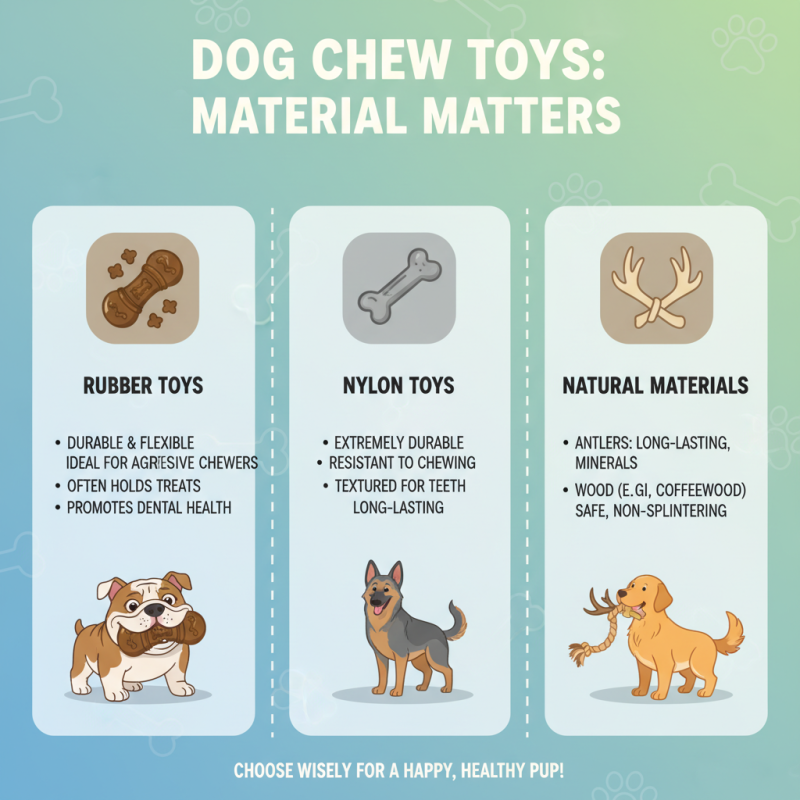
When selecting chew toys for dogs, understanding the various materials and designs is crucial to ensuring your pup’s happiness and health. Generally, chew toys can be categorized into rubber, nylon, and natural materials, each offering distinct benefits. Rubber toys, for example, are durable yet flexible, making them an excellent choice for aggressive chewers. These toys can also be designed to hold treats, providing an engaging way to keep dogs busy while promoting dental health through chewing.
Nylon toys are another popular option, prized for their long-lasting nature. They come in various shapes and sizes, allowing you to choose one that fits your dog’s chewing style. However, it’s important to monitor your dog while they use nylon toys, as they can break off and pose choking hazards. On the other hand, natural material toys often appeal to dogs’ instinctual chewing behaviors, with options like rawhide or antler, which can satisfy their need to chew while being biodegradable and generally safe when consumed in moderation. By selecting the right type of chew toy based on materials and designs, you can significantly contribute to your dog's overall well-being.
Benefits of Chew Toys: How They Promote Dog Health and Happiness
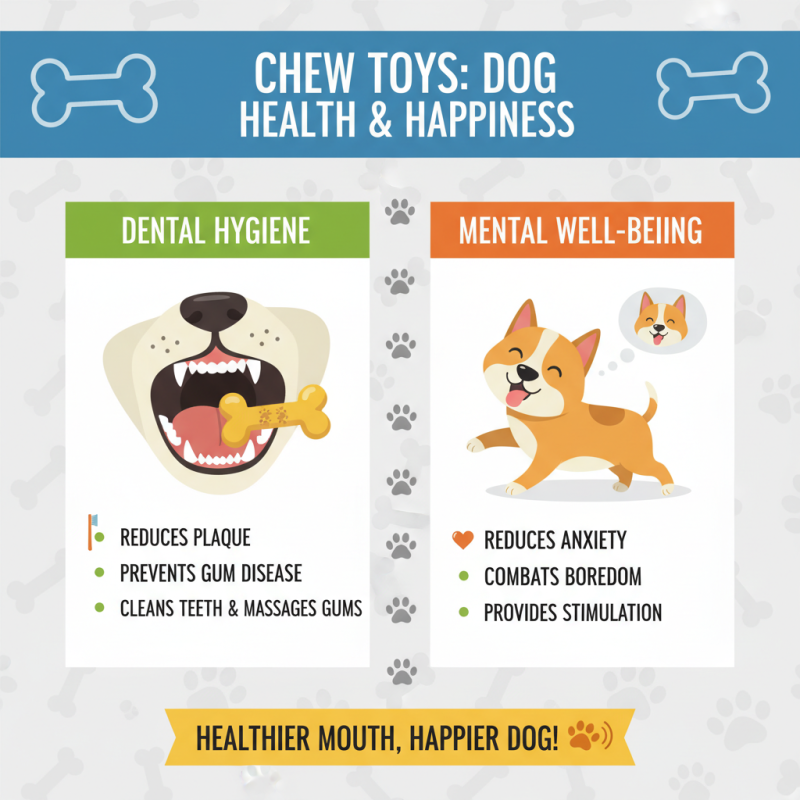
Chew toys are essential tools for promoting the health and happiness of dogs. First and foremost, they help maintain dental hygiene by reducing plaque buildup and preventing gum disease. When dogs chew on durable toys, the friction created cleans their teeth and massages their gums, leading to a healthier mouth. Additionally, the act of chewing can relieve anxiety and boredom, providing mental stimulation. A happy dog is often an active dog, which can lead to a healthier, more playful lifestyle.
When selecting chew toys, consider your dog's size, breed, and chewing habits. For aggressive chewers, opt for tougher materials that withstand heavy use. It's also essential to choose toys that are sized appropriately; a toy too small may pose a choking hazard, while a toy too large may not be comfortable for your dog to handle.
Tips to keep in mind include regularly inspecting the chew toys for wear and tear, as damaged toys can pose safety risks. Rotate the toys to maintain your dog's interest and keep their playtime engaging. Lastly, always supervise your pet during playtime to ensure they are playing safely and to intervene if necessary. A well-chosen chew toy can transform playtime into an enriching experience that contributes to your dog's overall well-being.
Choosing the Right Size: Safety and Comfort Considerations for Dogs
When choosing chew toys for your dog, the right size is crucial for both safety and comfort. A toy that is too small can pose a choking hazard, while one that is too large may be difficult for your dog to manipulate, causing frustration rather than enjoyment. According to a survey by the American Kennel Club (AKC), nearly 20% of dog injuries can be linked to inappropriate toy sizes. Thus, it’s vital to select toys that fit comfortably in your dog's mouth and are suitable for their breed and age.
For optimal safety, consider your dog's chewing habits. Gentle chewers may enjoy softer toys, while aggressive chewers may require sturdier, more durable options. The Association of Pet Dog Trainers (APDT) suggests measuring your dog's muzzle length and choosing toys that are at least three inches longer than it. This ensures that they can easily pick up and carry the toy without risk.
Tips: Always supervise your dog while they are playing with chew toys, especially if you’re introducing a new one. Regularly inspect the toys for wear and tear, and replace them when they show signs of damage to prevent any potential health risks. Additionally, consider engaging your dog in interactive play with chew toys to not only keep them happy but also to provide mental stimulation.
Durability and Maintenance: Selecting Long-lasting Chew Toys
When selecting chew toys for dogs, durability and ease of maintenance are critical factors to ensure the toys not only survive the relentless chewing but also stay clean and hygienic. According to a 2022 report from the Pet Industry Federation, nearly 70% of dog owners prioritize the longevity of their pet’s toys. Investing in high-quality materials such as natural rubber or nylon can significantly enhance durability, as these materials are designed to withstand intense chewing and help reduce the likelihood of toy breakage.
Moreover, the maintenance of chew toys plays a crucial role in promoting your dog's health. Many veterinarians recommend regular cleaning to prevent the buildup of harmful bacteria that can cause dental issues or gastrointestinal upset. A study published in the Journal of Veterinary Dentistry indicates that approximately 80% of dogs exhibit some form of dental disease by the age of three. To combat this, selecting chew toys that are dishwasher safe or easy to sanitize will not only extend the life of the toys but also contribute to your dog’s oral hygiene. Ensuring that chew toys are easy to maintain can promote a healthier playtime experience, resulting in happier, healthier dogs.
Durability of Chew Toys for Dogs
Signs Your Dog Needs a New Chew Toy: Recognizing Wear and Tear
Recognizing the right time to replace your dog's chew toy is crucial in maintaining their happiness and health. One of the most evident signs that a toy has reached the end of its lifespan is visible wear and tear. If you notice rips, frayed edges, or missing pieces, it is time to consider a replacement. Dogs often chew vigorously, and a damaged toy can lead to potential choking hazards or ingestion of harmful materials. Regularly checking for these signs helps ensure the safety of your furry friend.
Another key indicator that your dog needs a new chew toy is a change in their interest level. If your dog, who usually enjoys chewing, suddenly loses interest in their toys, it may suggest the toys are no longer stimulating or engaging. Additionally, if your dog seems to be gnawing on other household items, it might be a clear signal that they are looking for something new and exciting to chew on. Keeping an eye on these behaviors will help you keep your dog satisfied and encourage healthy chewing habits.
How to Choose the Best Chew Toys for Dogs to Keep Them Happy and Healthy
| Chew Toy Type |
Material |
Recommended for |
Signs of Wear and Tear |
Replacement Frequency (Months) |
| Rubber Chew Toys |
Natural Rubber |
Medium to Large Dogs |
Cracks, Pieces Missing |
6-12 |
| Nylon Bones |
Nylon |
Aggressive Chewers |
Sharp Edges, Splinters |
5-6 |
| Stuffed Toys |
Fabric, Polyester |
Gentle Chewers |
Tears, Stuffing Coming Out |
2-3 |
| Edible Chew Toys |
Various Edible Materials |
All Dogs |
Diminished Size, Softening |
1-2 |
| Dental Chews |
Rubber, Edible Ingredients |
All Dogs |
Fraying, Crumbling |
2-4 |