Leave Your Message

How to Choose the Perfect Cat Dog Plush for Your Pet

Choosing the right plush toy for your furry friend is crucial. Dr. Samantha Hayes, a leading pet toy expert, once said, “A well-chosen Cat Dog Plush enhances your pet's well-being.” This emphasizes the importance of selecting the right toys for both cats and dogs.

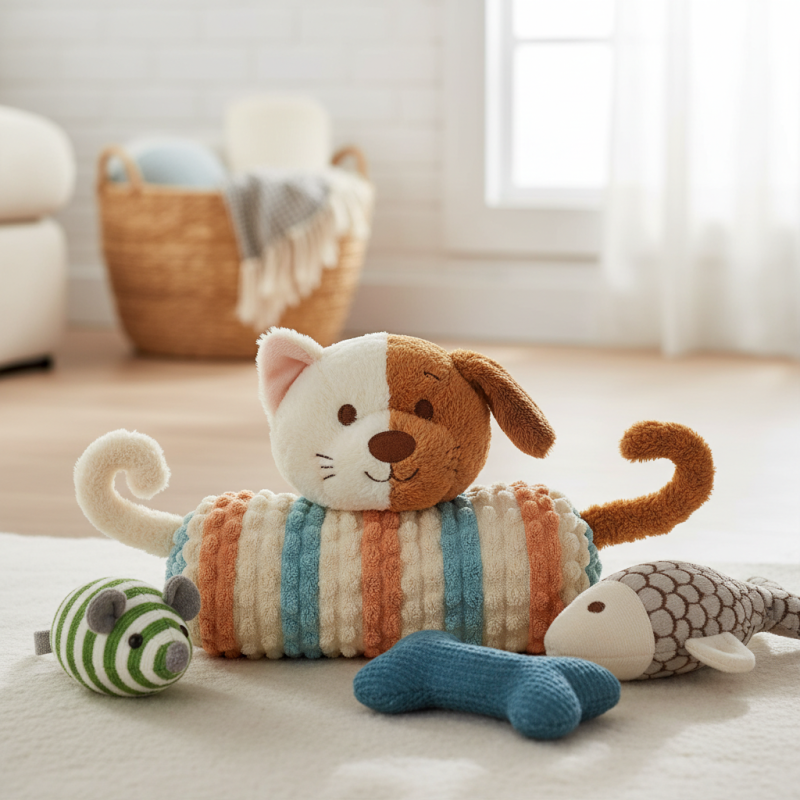
When considering a Cat Dog Plush, think about your pet’s preferences. Does your dog prefer squeaky toys or soft, snuggly ones? Are you looking for something that your cat can pounce on or cuddle with? The right choice can provide comfort and entertainment.

Pay attention to materials too. Some plush toys contain harmful chemicals. Look for hypoallergenic options. After all, quality matters. A poorly made Cat Dog Plush can quickly become dangerous. Always check for durability and safety labels. Your pet deserves the best, and their happiness should prompt thoughtful choices.
How to Choose the Perfect Cat Dog Plush for Your Pet

Understanding Your Pet's Preferences and Behavior

When selecting the perfect plush toy for your cat or dog, understanding their individual preferences is crucial. A study by the American Pet Products Association (APPA) revealed that about 70% of pets play with their toys daily. This highlights the importance of choosing a toy that resonates with your pet's natural instincts and preferences. Pay attention to their play styles. Some pets enjoy tugging and chewing, while others prefer cuddly, comforting toys.

Observing your pet's behavior can provide insights into what plush toys will be most engaging. For instance, toys that mimic prey movements or feature crinkly sounds often attract dogs with hunting instincts. Cats may prefer toys that they can bat around or those that simulate their predatory behavior, such as those filled with catnip. It's essential to reflect on your pet's past interactions. If they consistently ignore certain toys or show little interest, it's worth considering a different type.

Moreover, ensure the plush toy’s material is safe and durable. The Association of American Feed Control Officials (AAFCO) emphasizes that toys should withstand the rough play typical of many pets. While there are myriad options available, a toy that aligns with your pet's behavior patterns will likely enhance their playtime and reinforce their sense of comfort and security.
Selecting the Right Size of Plush Toy for Your Pet

Choosing the right size of a plush toy for your pet is crucial. A toy that is too small can be a choking hazard. Conversely, an oversized plush may not be easy for your pet to carry or snuggle. Consider your pet's breed and weight when selecting a plush toy. For smaller breeds, a toy that fits comfortably in their mouth is ideal. Larger breeds may require bigger toys that can withstand rough play.

Tips for size selection include measuring your pet. For dogs, measure their muzzle and body length. For cats, consider their size and playful habits. These measurements can help you find the right plush toy. Always think about how your pet plays. If your pet loves to tug and fetch, a larger, durable plush might be best. It's also worth noting that pets often prefer toys they can easily manipulate.

Do reflect on your pet’s preferences over time. Sometimes, pets show favoritism towards size, material, or shape. A plush that works well at first may not hold their attention later. Monitor their interaction with the toy. If your pet loses interest quickly, it might be worth trying a different size or texture next time. Choosing wisely will lead to more enjoyable playtime for your furry friend.

Material Considerations for a Safe Plush Toy

How to Choose the Perfect Cat Dog Plush for Your Pet

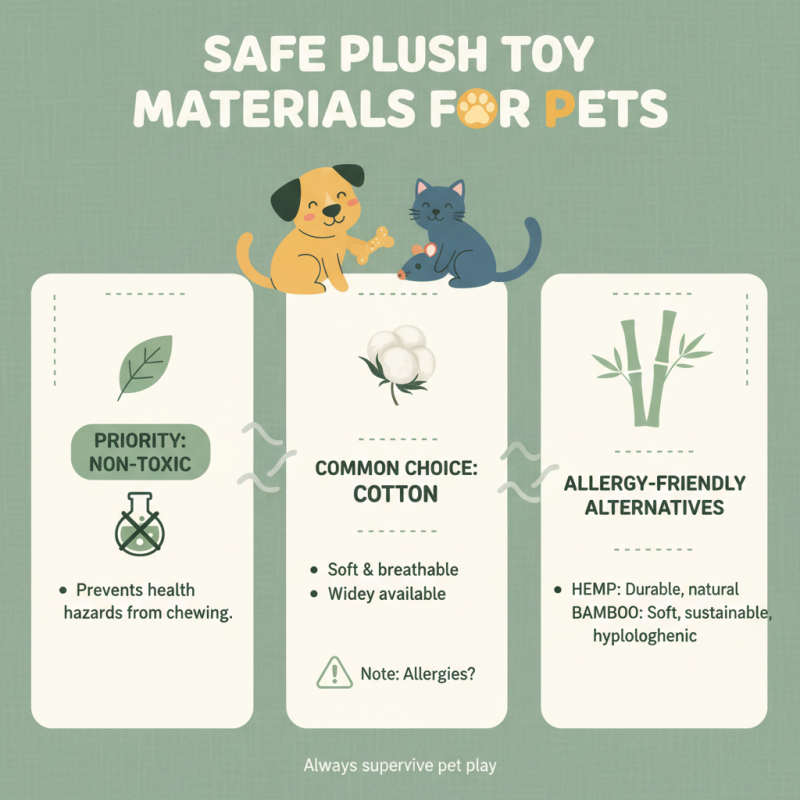
When choosing a plush toy for your pet, focus on the materials used. Look for non-toxic fabrics. This is crucial for safety. Many pets love to chew. A safe material can prevent health hazards. Cotton is a common choice. It is soft and breathable. However, if your pet has allergies, consider alternative materials like hemp or bamboo.

Avoid plush toys that contain small or removable parts. These can easily become choking hazards. Always examine the stitching and seams. Weak spots could lead to stuffing spilling out. Pets might swallow these materials. Durable construction is critical for active pets. Plush toys should withstand biting and scratching.

Consider the toy's weight. A lighter toy is easier for smaller pets to handle. Heavy toys may discourage playtime. Additionally, think about the cleaning process. Plush toys should be machine washable. This practicality contributes to a healthier play environment. Regular cleaning may prevent bacterial growth and odor. It's important to reflect on your pet's habits while choosing. Each pet has unique preferences.

Design Features: Choices for Cats vs. Dogs

When selecting a plush toy for your pet, consider the design features tailored for cats versus dogs. Cats often enjoy smaller toys with intriguing textures. They love toys that mimic prey, like furry mice. A toy with feathers can entice them to pounce. Look for options that indicate safety and durability. Cats are known to chew, and thin materials might tear easily.

For dogs, plush toys should be robust. Dogs tend to tug and shake their toys. A larger plush that can withstand some rough play is ideal. Also, consider the size of your dog. A toy that’s too small can be a choking hazard. Features like squeakers often engage dogs more. They offer auditory stimulation and make playtime exciting.

Tips: Always supervise your pet during play. Inspect the toy for wear and tear regularly. If your pet loses interest quickly, reflect on whether the toy met their needs. Experimenting with different textures and sizes might help you discover your pet’s preferences.

How to Choose the Perfect Cat Dog Plush for Your Pet - Design Features: Choices for Cats vs. Dogs

Feature Cat Plush Dog Plush
Material Soft fleece Durable canvas
Size Options Small to medium Medium to large
Weight Lightweight Heavy to prevent tossing
Squeaker No Yes
Texture Soft and fluffy Rough and chewy
Ease of Cleaning Machine washable Surface clean only
Design Variety Fewer characters, elegant Colorful, fun shapes
Safety Features Safety eyes, no small parts Reinforced seams, non-toxic

Maintenance Tips for Keeping Plush Toys Clean and Durable

Maintaining the cleanliness of plush toys is essential for any pet owner. Regular washing can prevent the buildup of dirt and bacteria. Use a gentle detergent to avoid harsh chemicals that could harm your pet. Check for any loose parts before washing. Toys with squeakers or unique attachments may require hand cleaning instead of machine washing.

Air drying plush toys is often the best option. High heat from dryers can cause damage. If your pet likes to nibble their toys, inspect them regularly for wear. Consider replacing toys that show signs of excessive chewing. A well-maintained plush can offer comfort and joy for a long time.

It's crucial to store plush toys properly. A designated toy box can help keep them organized and dry. Nonetheless, it's easy to overlook plush toys that get tucked away. Ensure you rotate toys to keep your pet engaged. Pay attention to how they play. If a toy isn't used often, it might be time to reconsider its place in their collection.