How to Choose the Best Moving Dog Toys for Your Pet's Fun and Exercise?
Choosing the best moving dog toys for your pet can be a rewarding experience. Dr. Emily Skye, a renowned animal behaviorist, says, “The right toys make all the difference in a dog’s physical and mental health.” Moving dog toys not only provide entertainment but also enhance your dog's exercise routine.
Many pet owners overlook the importance of selecting the right toy. Consider your dog's size, breed, and energy level. A small toy is not suitable for a large dog. Rough play can lead to wear and tear, thus choosing durable options is crucial.
It’s important to observe your dog’s preferences. Some may prefer chasing, while others enjoy tugging. An ideal choice balances fun and safety. Not all moving dog toys are created equal. Some may not withstand vigorous play, leading to frustration. Investing time to choose wisely can improve your dog’s happiness and health.
Understanding Your Dog's Activity Level and Needs
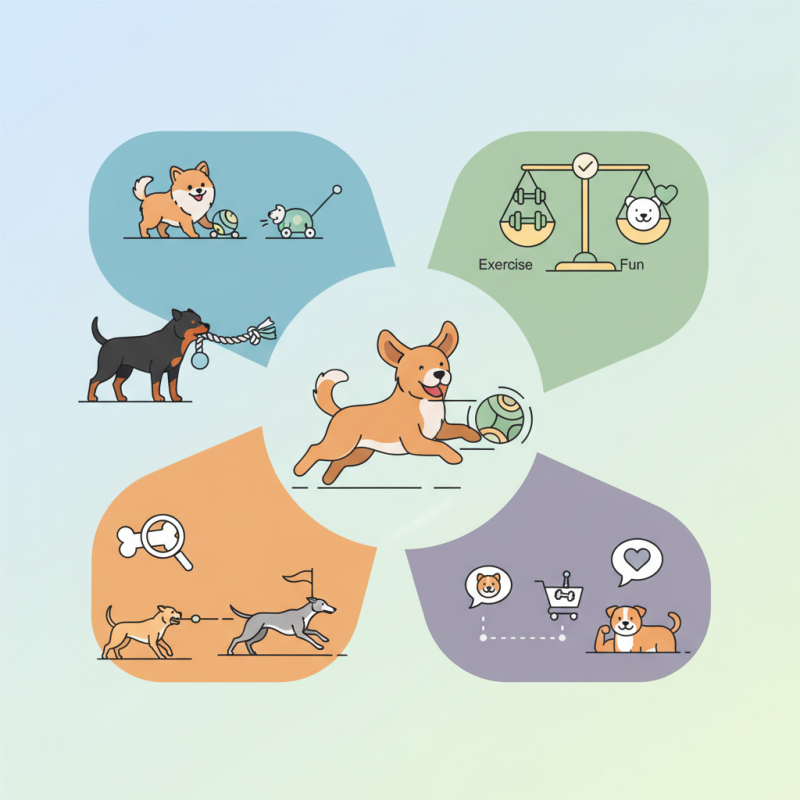
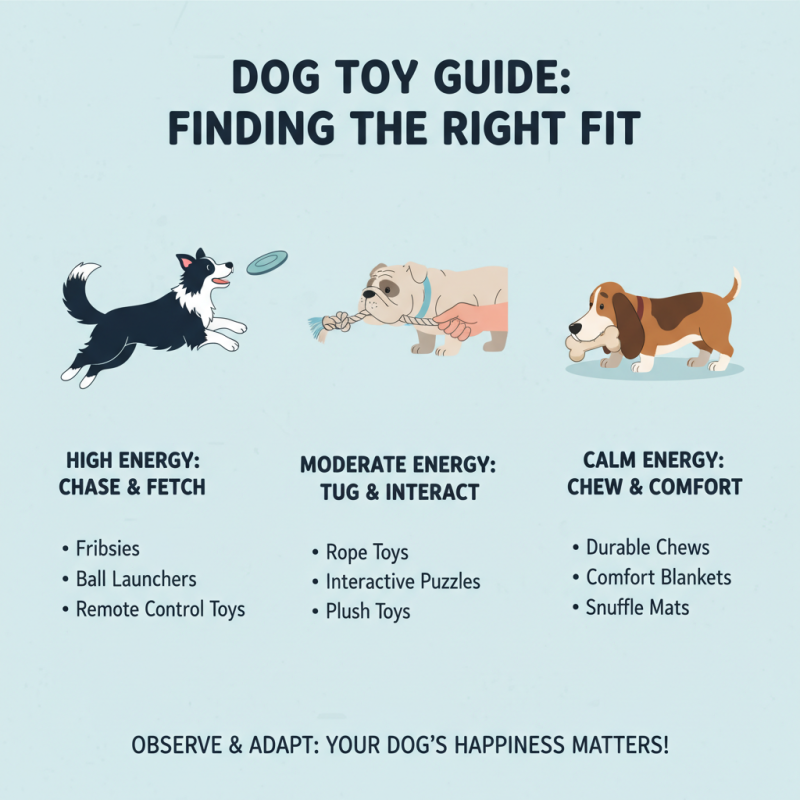
Understanding your dog's activity level and needs is crucial when choosing toys. Not all dogs play the same way. Some love to chase, while others prefer tugging or chewing. Observe your dog’s behavior during playtime. Are they energetic or more laid-back? This will help you find suitable moving toys.
**Tips:** Consider your dog's size and age. A puppy needs different toys compared to a senior dog. Choose durable materials that can withstand aggressive play. Interactive toys keep them engaged and encourage exercise.
Pay attention to your dog’s enthusiasm. Does the toy excite them? If not, it might not be the right fit. Sometimes, it's a trial-and-error process. You might need to try several options before finding the one they adore. Remember, varying their toys keeps playtime fresh and enjoyable.
Types of Moving Dog Toys: Benefits and Features
When selecting moving dog toys, consider the various types available. Mechanical toys are designed to mimic animal movements. They stimulate your dog's instincts and keep them engaged. Plush toys with squeakers can also move, capturing your dog's attention and encouraging them to play. These features are great for mental stimulation and physical exercise.
Tips for choosing the right toy: Look for toys that match your dog’s size. Larger dogs may require sturdier toys. Check the material for durability. Some toys may wear out quickly. Observe how your dog interacts with the toy. Does it seem interested or bored? This can guide your future purchases.
Interactive toys are another popular option. They often require the dog to solve a puzzle or perform a task. This helps develop problem-solving skills. However, some dogs may become frustrated. Monitor their reactions. If a toy causes stress, it may not be the best choice. Always prioritize fun and safety for your pet.
Tips for Introducing New Toys to Your Pet
Introducing new toys to your dog can be an exciting adventure. Start by observing your dog's current favorites. This helps you choose toys that match their preferences. Look for items that encourage movement, like balls or tug toys. A well-chosen toy grabs their interest quickly.
When you introduce a new toy, do it gradually. Avoid overwhelming your pet with multiple new toys at once. Show enthusiasm and encourage play. Your excitement is contagious, and it helps create a positive experience. Supervise the first few play sessions. This allows you to ensure safety and gauge your dog’s reactions.
Pay attention to your dog’s behavior. They may initially ignore the new toy. It’s okay; not every toy is a hit. Encourage exploration by hiding treats inside or using toys interactively. Reflect on what engages them the most. It may take time to figure out their tastes. Be patient and adapt to their needs.
How to Choose the Best Moving Dog Toys for Your Pet's Fun and Exercise? - Tips for Introducing New Toys to Your Pet
| Toy Type |
Benefits |
Recommended Age |
Exercise Level |
Durability |
| Fetch Balls |
Encourages running and fetching |
All ages |
High |
Moderate |
| Tug Toys |
Promotes bonding and strength |
6 months and up |
Moderate to High |
High |
| Puzzle Toys |
Enhances mental stimulation |
All ages |
Low to Moderate |
Moderate |
| Chase Toys |
Encourages agility and speed |
All ages |
High |
Variable |
| Rope Toys |
Great for chewing and tugging |
All ages |
Moderate |
Moderate |
Evaluating Toy Durability and Quality for Long-lasting Use
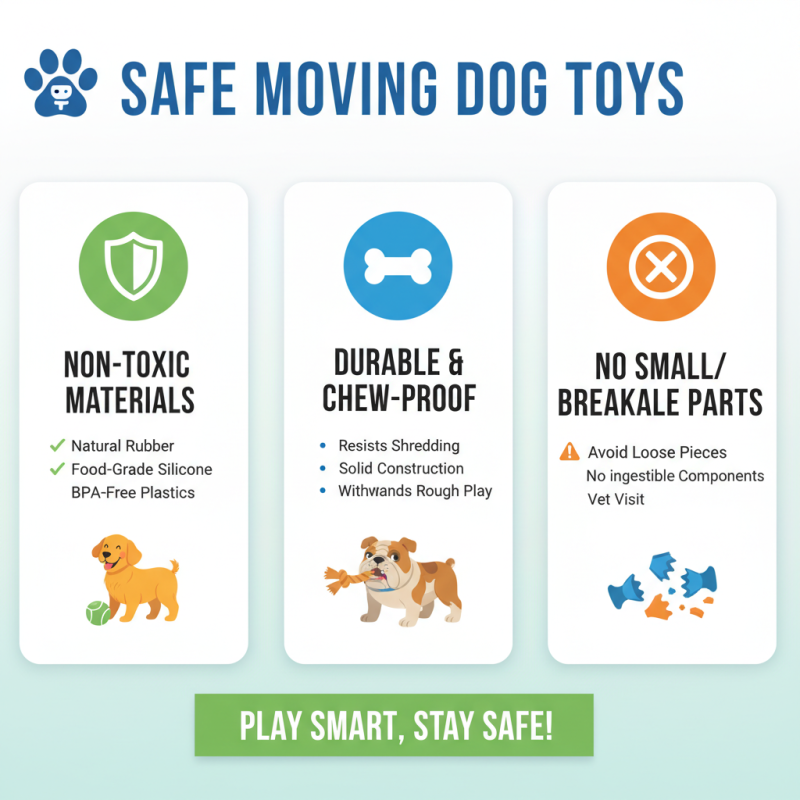
When choosing moving dog toys, durability and quality are crucial. A study from the American Kennel Club shows that 57% of pet owners consider toy longevity a top factor. Dogs tend to chew toys aggressively, making it essential to invest in robust materials. Toys made from natural rubber or durable nylon often stand the test of time. These materials resist wear and can endure enthusiastic play.
However, even the best toys can fail. Many owners report that toys designed for heavy chewers still break after a few uses. This raises questions about quality control in manufacturing. It’s vital to examine how toys are constructed. Check for seams and stitching; weak points can lead to quick damage. The consistency of materials used is equally important. Low-quality toys might be cheaper but can frustrate both dogs and owners alike. A toy that falls apart can pose a choking hazard.
Furthermore, familiarizing yourself with safety standards can help. The World Animal Foundation suggests looking for certifications that indicate the materials are non-toxic. A strong toy can keep your pet busy for hours, enhancing their physical exercise. Yet, if it disintegrates after a single play session, it’s more of a disappointment than a benefit. Keeping both fun and safety in mind is essential when selecting the best moving dog toys.
Dog Toy Durability and Quality Evaluation