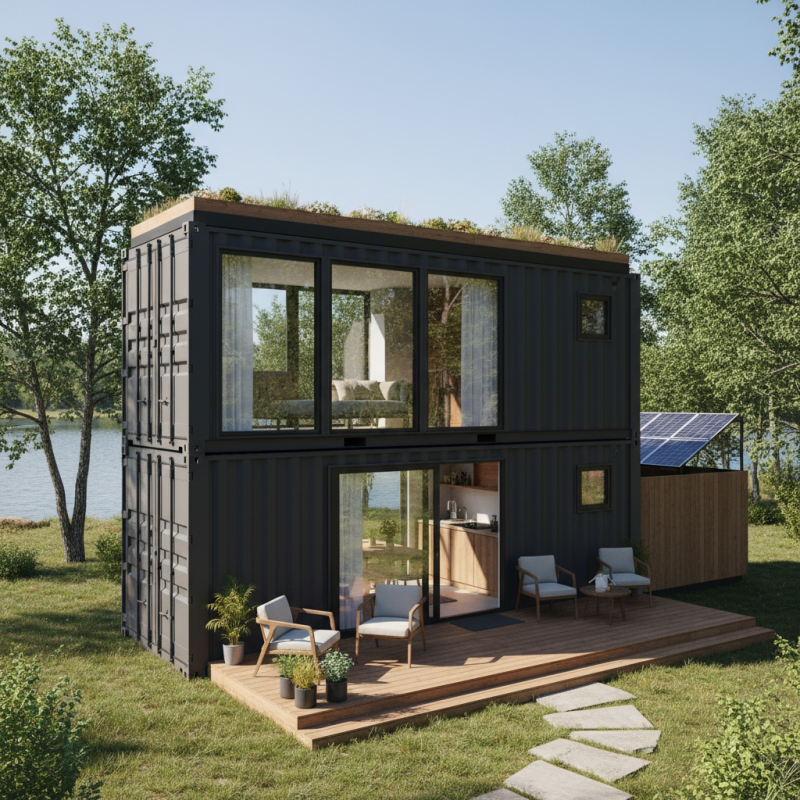
How to Choose the Best Prefab Container House for Your Needs?
Choosing the right Prefab Container House can be a daunting task. With so many options available, it’s easy to feel overwhelmed. A prefab container house is not just a building; it's a lifestyle choice. These structures are versatile and offer various designs and functionalities.
When selecting a prefab container house, consider your needs and preferences. Think about size, layout, and durability. Different materials affect insulation and energy efficiency. What might seem appealing at first, could become impractical later. Reflect on your long-term plans, too.
Budget is a crucial factor in your decision. High-quality options exist, but they require investment. Often, low-cost alternatives may lack essential features. Prioritize aspects that align with your living style. A prefab container house should fit well into your vision, both functionally and aesthetically.
How to Assess Your Space and Functional Requirements for a Container House
When considering a prefab container house, it's vital to assess your space requirements. Start by measuring the area where the container will be placed. Think about the layout you envision. How many rooms do you need? Is it just a single space, or do you need extra areas for storage? These questions help shape your design plan.
Next, consider functional requirements. How will you use the container house? Will it serve as a home, an office, or a guest house? Understanding your daily needs is crucial. You might find that you require additional features like a bathroom or a kitchenette. Reflect on how much natural light you desire. Windows can enhance livability but may affect insulation.
Lastly, remember that not every container will meet your needs perfectly. There may be some limitations based on your budget or local zoning laws. You may need to compromise on size or design. Be open to adjustments. This process can be challenging. But careful consideration will lead you to a solution that fits your lifestyle.
Understanding Different Types of Prefabricated Container Houses Available
When choosing a prefab container house, understanding the different types is crucial. There are several styles available, each catering to unique needs. Standard container homes offer basic functionality. These structures are often simple and cost-effective. Yet, they may lack some modern amenities. Consider if this fits your lifestyle.
Another option is the modified container house. These designs come with insulation, plumbing, and electrical systems. They provide a more comfortable living experience. However, customization may increase costs and complexity. Reflect on your budget and long-term needs.
Eco-friendly container homes are gaining popularity. They utilize sustainable materials and offer energy-efficient features. As a result, they reduce environmental impact. Still, some might find them too trendy or less durable. Think about whether this aligns with your values and practical requirements. Ultimately, prioritize what matters most to you.
Types of Prefab Container Houses
Evaluating the Cost-Effectiveness of Prefab Container Homes vs. Traditional Homes
Prefab container homes are gaining popularity, but how do they stack up against traditional houses? One major factor is cost-effectiveness. According to recent reports, the average cost of a traditional home can range from $150 to $200 per square foot. In contrast, prefab container homes can be built for about $100 to $150 per square foot. This stark difference makes prefab homes an attractive option for budget-conscious buyers.
However, cost isn't the only consideration. While prefab structures can be cheaper upfront, other factors can impact long-term value. Limited customization options can lead to buyer's remorse. Moreover, the resale market for container homes remains uncertain. A study by the National Association of Realtors found that unique properties, like container homes, might face appraisal challenges. Buyers may find it hard to secure financing for these unconventional builds.
Environmental impact is another crucial factor. These homes promote recycling and sustainable living. However, isolating container materials can lead to issues if not done properly. Also, potential buyers should acknowledge that local building codes may complicate installation. Understanding both the savings and the pitfalls is essential for making an informed decision on prefab container homes.
Key Specifications to Consider When Selecting Containers for Living Space
When selecting a prefab container house, pay attention to essential specifications. The size is critical. Consider your available space and how many people will live there. A standard container is usually 20 or 40 feet long, but custom sizes are also an option. Think about layout, too, as an open-plan design can feel more spacious.
Insulation is another key feature. Proper insulation helps in managing temperature and energy efficiency. Look for containers with good thermal insulation. With fluctuating temperatures, this can make your living space comfortable. Windows are also important. They not only provide light but impact ventilation. Opt for double-glazed windows, which offer better insulation.
Another factor is durability. Choose containers made from high-quality steel. Rust resistance is vital, particularly in humid areas. Reflect on weather conditions in your region. Heavy rainfall or snow may affect your choice. Lastly, think about customization options. Some containers can be modified with additional features, like plumbing and electrical systems. This can make a big difference in comfort and functionality. Remember to balance your needs and budget in this process.
Sustainability and Energy Efficiency Ratings in Container House Selection
When selecting a prefab container house, consider sustainability. Look for materials that are eco-friendly. Recycled steel and insulated panels can enhance energy efficiency. These choices reduce waste and lower carbon footprints. The insulation quality is crucial. Proper insulation keeps temperatures stable, which saves energy.
Energy efficiency ratings should guide your selection. Check the ratings on appliances and heating systems. Units with higher ratings typically use less energy. This can significantly impact your operating costs. Solar panels can also be a great addition. They harness renewable energy to power your home.
However, not all container homes are created equal. Some may claim to be sustainable but use harmful materials. It's essential to research materials used in construction. Ask questions to ensure the home meets your criteria. Remember, what looks good on paper may not translate into real-world savings. A little questioning can lead to a more informed choice.