2026 How to Choose the Best Toy Cavoodle Puppies for Sale?
When searching for the perfect toy Cavoodle puppies, it's essential to consider several factors. Benjamin Wolfe, a renowned dog breeder, emphasizes, "Choosing the right puppy is not just about looks; it’s about compatibility and health." Toy Cavoodle puppies are adorable and carry a blend of intelligence and affection.
One must understand that not all breeders prioritize the same qualities. Some may focus on aesthetics, while others emphasize health. Potential buyers should research breeders and ask about genetic testing. It's crucial to know the lineage of toy Cavoodle puppies, as it can impact behavior and health.
Moreover, consider your lifestyle when selecting a puppy. Active families may need a playful pup, while seniors might prefer a calmer companion. Reflecting on your daily routine can guide your choice. Finding the best toy Cavoodle puppies fits more than just a desire for a cute dog; it’s a thoughtful journey into compatibility and care.
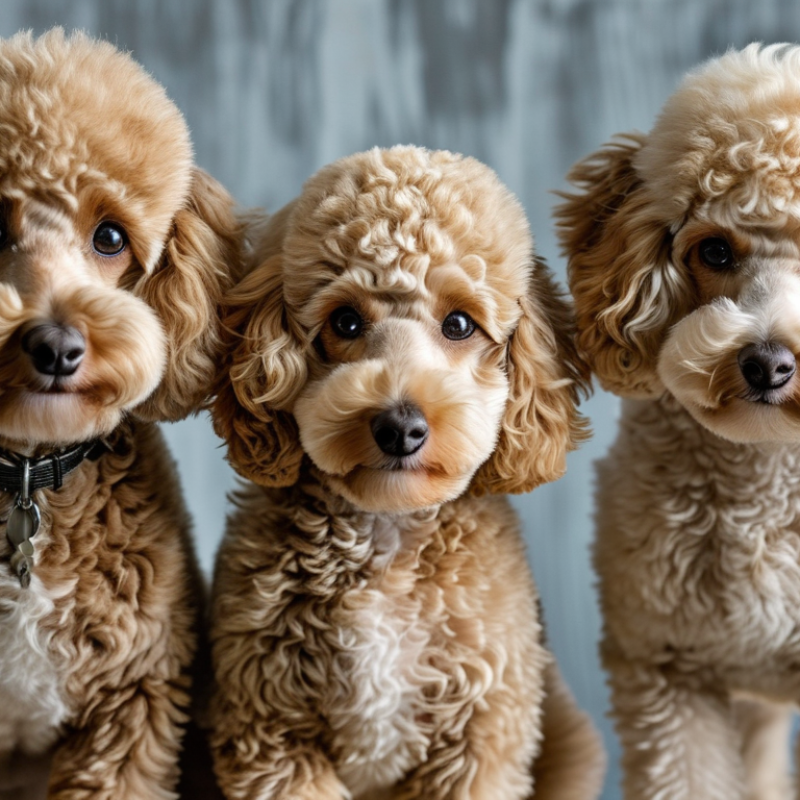
Understanding the Toy Cavoodle Breed Characteristics
When considering Toy Cavoodle puppies, understanding their breed characteristics is essential. This hybrid breed combines the Cavalier King Charles Spaniel and the Poodle. They are known for their friendly nature and intelligence. According to the American Kennel Club, Cavoodles rank high in popularity due to their sociable demeanor.
Toy Cavoodles typically weigh between 10 to 14 pounds. They are small yet robust. Their coats are often curly or wavy, which can help reduce allergy symptoms for some people. Additionally, their playful and gentle temperament makes them suitable for families and singles alike. However, potential owners should note that these puppies require consistent socialization. Without it, they can become timid or overly dependent on their owners.
Training a Toy Cavoodle is generally straightforward. They respond well to positive reinforcement techniques. However, they can also exhibit stubbornness at times. Recognizing this trait is crucial for new owners. Regular grooming is necessary, given their coat type. Owners may find it challenging to keep up with grooming routines, which can become a reflection on their overall well-being. Engaging with breed-specific training resources can further enhance the ownership experience.
Evaluating Reputable Breeders for Toy Cavoodle Puppies
Finding a reputable breeder for Toy Cavoodle puppies is crucial. A responsible breeder prioritizes the health and temperament of their dogs. One way to evaluate breeders is by checking their facilities. Clean, spacious areas indicate that the dogs are well taken care of. It’s also important to observe the puppies' interactions with their mother. Healthy bonds can often indicate better socialization.
Another significant factor is transparency. A good breeder will openly share health tests and screening results for their dogs. This is vital for ensuring that the puppies are not genetically predisposed to certain health issues. Ask to see documentation of vaccinations and health clearances. If a breeder hesitates to provide this information, it can be a red flag.
Consider visiting breeder websites and reading reviews, but approach online information with caution. Personal experiences can vary, and not all reviews are genuine. Engaging with past buyers can give a clearer picture. Remember, every breeder has their shortcomings. Reflect on your own preferences and needs when choosing a puppy.
2026 How to Choose the Best Toy Cavoodle Puppies for Sale? - Evaluating Reputable Breeders for Toy Cavoodle Puppies
| Criteria |
Details |
| Breeder Reputation |
Look for breeders with positive reviews and testimonials. |
| Health Testing |
Ensure health tests for common Cavoodle diseases. |
| Breeding Practices |
Check for responsible breeding practices and environment. |
| Socialization Efforts |
Evaluate how well the puppies are socialized with people and other animals. |
| Contracts and Guarantees |
Review contracts for health guarantees and return policies. |
| Follow-Up Support |
Inquire if the breeder offers support post-purchase. |
Assessing Health and Genetic Screening for Toy Cavoodles
When looking for Toy Cavoodle puppies, health and genetic screening are essential. These screenings help identify potential hereditary issues. Responsible breeders should provide health clearances for both parent dogs. This includes evaluations for hip dysplasia, eye disorders, and heart conditions. Without this, you may end up with unforeseen health problems later.
Genetic testing is equally important. It assesses the risk of genetic diseases common in Cavoodles. Not all breeders perform these tests, which is a red flag. Ask to see the results and understand what they mean. A transparent breeder will welcome inquiries. If you encounter hesitation, consider it a warning sign.
It's tempting to choose the cutest puppy you see. However, prioritizing health over appearance is crucial. Puppies from healthy parents are more likely to grow into robust adults. Reflect on your priorities. Ensure the fur baby you choose will bring joy, not unexpected vet bills.
Health and Genetic Screening for Toy Cavoodle Puppies
Choosing the Right Age and Socialization for Your Cavoodle
When selecting the ideal Cavoodle puppy, age and socialization are key factors. Research indicates that early socialization is crucial for developing a well-adjusted pet. According to the American Kennel Club, puppies should begin socializing with different people and environments by at least 16 weeks of age. This exposure helps them grow into confident adults and reduces the chances of behavioral issues later.
Choosing the right age involves more than just the number of weeks. Puppies experience critical socialization periods between 3 and 14 weeks. During this time, they are more receptive to new experiences. A lack of proper exposure during this phase can lead to anxiety and fearfulness. Notably, a study published in the Journal of Veterinary Behavior suggests that well-socialized dogs tend to have better temperaments and are easier to train.
It’s important to recognize that not all puppies from the same litter will have the same experiences. Each puppy’s personality can vary wildly, even within the same environment. Some may thrive with early socialization, while others may need more time. Be mindful of your chosen puppy’s temperament and readiness to engage with people and surroundings. The right match will pave the way for a harmonious relationship.
Preparing Your Home for a New Toy Cavoodle Puppy
Preparing for a new Toy Cavoodle puppy involves more than just excitement. It requires careful planning and consideration to create a welcoming environment. According to the American Pet Products Association, around 67% of U.S. households own a pet. Among these, puppies often face early challenges in adjusting to their new homes.
Start by assessing your living space. A Toy Cavoodle, while small, needs room to play and explore. Ensure there’s a designated area for the puppy’s bed and toys. Using a crate can help with training and provide a safe haven. It's advised that this crate is not too large; it should fit your puppy comfortably, promoting security. Data shows puppies thrive in structured environments, leading to better behavioral outcomes.
Next, consider safety. Remove hazardous items like electrical cords and small objects that could be swallowed. Many new puppy owners overlook this crucial step. A survey by the American Veterinary Medical Association indicated that 15% of pet owners reported a pet-related injury. Furthermore, ensure your home is puppy-proofed, as curious little ones often find new adventures in unexpected places. This effort can prevent accidents and promote a safe space for exploration.