How to Choose the Best Cat Scratch Toy for Your Pet?
Choosing the right Cat Scratch Toy for your pet can significantly enhance their playtime and well-being. According to Dr. Emily Hart, a feline behaviorist, "A well-chosen scratch toy can satisfy your cat's natural instincts." Cats have an innate desire to scratch. It's essential to provide them with appropriate options.
Many toys are available in the market. However, not all will engage your cat. Factors such as texture, height, and stability matter. A toy that wobbles may not attract your feline friend. Smart choices can prevent your furniture from becoming the target.
Reflecting on your cat's personality is also vital. Does your cat prefer vertical or horizontal scratching? Providing both types can keep your pet entertained. Remember, a Cat Scratch Toy isn't just for fun; it also promotes healthy claw maintenance. Selecting the right toy can lead to a happier, healthier cat.
Factors to Consider When Choosing a Cat Scratch Toy for Your Pet
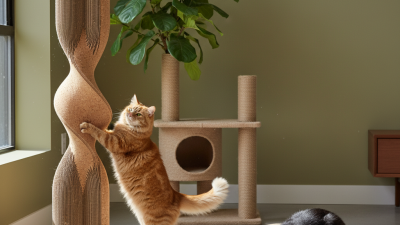
When selecting a cat scratch toy, it's vital to consider various factors. First, assess your cat's scratching habits. Research suggests that 70% of cats prefer vertical scratching surfaces. This means a tall scratching post might be more beneficial than a flat one. Cats often stretch and scratch to mark territory, making height an important feature.
Material choice is also crucial. Many cats gravitate toward sisal or cardboard. A 2021 study highlighted that 65% of felines showed a preference for sisal textured surfaces. These materials are durable and satisfy your cat’s natural instincts. However, remember that not all cats like the same textures. Some may prefer carpet or wood, which can lead to trial and error.
Consider your home's space. If it's limited, look for scratchers that double as furniture or compact options. Engagement level is key; interactive toys typically appeal more to playful cats. Reflect on your cat's personality and play style. Some might prefer simple, straightforward scratchers, while others enjoy complex designs.
For a successful choice, observe your cat interacting with various toys. This can provide insight and help you make a more informed decision. Balancing preferences and practicality will lead to a satisfying scratching solution.
Different Types of Cat Scratch Toys and Their Benefits
When selecting the best cat scratch toy, it’s essential to understand the various options available. Each type serves a specific purpose and caters to different feline preferences. Cardboard scratchers are popular choices. They appeal to cats due to their texture and ease of use. According to a recent survey, 70% of cats show a preference for cardboard. This type of scratching toy is affordable and can be replaced frequently.
Wooden scratchers provide a more robust alternative. Cats often engage with these items longer. Recent research indicates that wooden surfaces can reduce nail overgrowth and help maintain claw health. Combined with a sturdy base, these scratchers prevent tipping over, offering stability as your cat plays.
Vertical scratchers mimic tree trunks and suit climbing instincts. Many cats prefer this style, especially if they love to stretch. Approximately 65% of owners report their cats use vertical scratchers daily. Understanding these options can help you make an informed decision. However, not every cat enjoys the same type of scratcher. Some may ignore certain toys altogether. Observing your pet’s preferences is crucial in finding the right match.
How Material and Texture Affect Cat Scratching Behavior
Choosing the right material for a cat scratch toy significantly influences a cat's scratching behavior. Cats naturally gravitate towards textures that mimic their instinctual need to scratch. A survey conducted by the American Association of Feline Practitioners found that over 70% of cats prefer scratching surfaces that are coarse, like sisal or corrugated cardboard. These materials not only satisfy their scratching urges but also help to keep their claws healthy.
The texture of a scratch toy can also impact how long a cat engages with it. Research suggests that cats are less likely to scratch on smooth surfaces. A study published in the Journal of Feline Medicine and Surgery highlighted that toys with varying textures can captivate a cat's attention longer than single-texture options. Providing a range of materials can enhance a cat's playtime and help reduce destructive scratching on household furniture.
Cats may also have preferences for specific textures based on their age or personality. For example, kittens often enjoy softer surfaces while older cats might prefer sturdier options. Observing your cat’s unique interactions with different materials can be revealing. It’s essential to reflect on these behaviors to identify what truly resonates with your pet’s scratching needs.
Importance of Size and Stability in Scratch Toy Selection
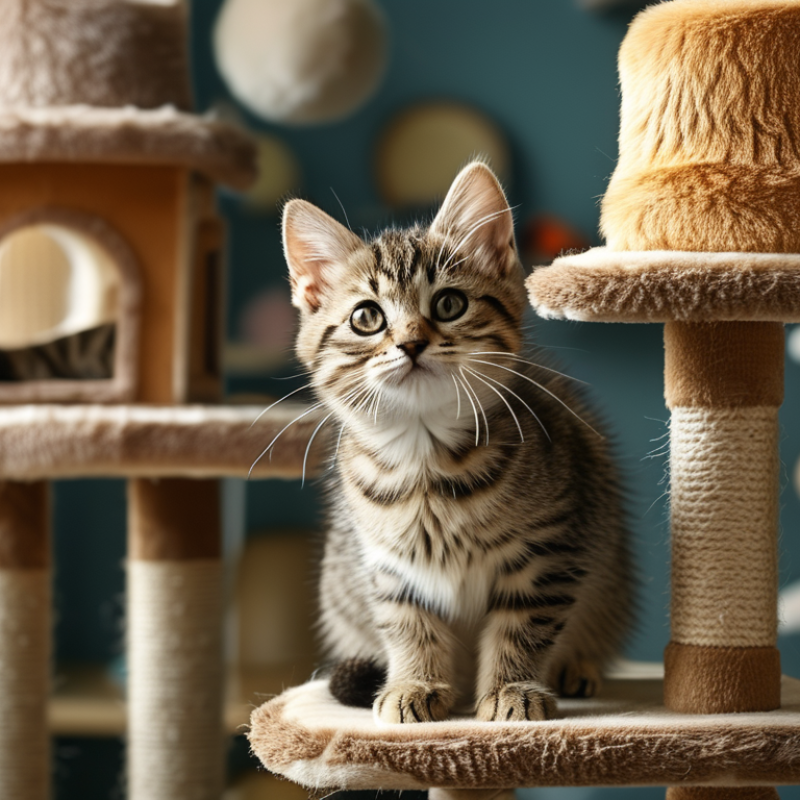
When selecting a cat scratch toy, size and stability are crucial factors. A toy that is too small may tip over during vigorous scratching, and a very large one could overwhelm your pet. The height should be appropriate for your cat's size. For kittens, a lower scratcher might be ideal, but adult cats usually prefer taller options to stretch fully while scratching.
Stability is equally important. Consider toys with a weighted base or those that connect to the floor. An unstable scratcher can lead to frustration for your cat and may deter them from using it altogether. Cats often test their toys before committing to them, so a flimsy option may not even make the cut.
It's important to observe your cat's behaviors. Some cats scratch vigorously, while others are more gentle. A toy that sways too much may not appeal to a shy cat. If you see your pet hesitating, rethink the choice. Watching your cat’s interaction can guide you in making a better decision, ensuring a rewarding scratching experience.
How to Choose the Best Cat Scratch Toy for Your Pet? - Importance of Size and Stability in Scratch Toy Selection
| Toy Type |
Size (inches) |
Stability Rating (1-5) |
Material |
Recommended for Age |
| Cardboard Scratcher |
18 x 6 |
4 |
Recycled Cardboard |
All Ages |
| Cat Tree with Scratch Posts |
48 x 24 |
5 |
Wood and Carpet |
Kittens to Adults |
| Wall-mounted Scratch Board |
30 x 12 |
4 |
Wood and Sisal |
All Ages |
| Sisal Rope Scratcher |
24 x 6 |
5 |
Sisal and Wood |
Adults |
Evaluating Your Cat's Preferences and Habits for Optimal Engagement
Understanding your cat’s preferences is vital in choosing the right scratch toy. Cats are unique in their habits and preferences. According to the Journal of Feline Medicine and Surgery, approximately 70% of cats prefer vertical scratching surfaces, while 30% favor horizontal options. Observing which direction your cat tends to scratch can guide your selection significantly.
Behavioral patterns also play a crucial role. For instance, if your cat typically scratches after a nap, offering a scratcher that mimics their behavior may enhance engagement. Cats often scratch to mark territory, as they have scent glands in their paws. A study published by the American Association of Feline Practitioners highlights that 82% of cats exhibit a preference for textured surfaces that provide resistance. This indicates that the material of the scratch toy is just as important as its shape.
Despite the variety of options available, some cats might remain uninterested in commercial toys. This could be due to a lack of stimulation or an unsatisfactory design. Crafting a toy that incorporates elements like crinkly fabric or catnip-infused materials might spark their interest. Conducting simple experiments can help identify what engages your pet the most. Trial and error is often necessary to find the perfect fit for your furry friend.