The Teacup Maltese Dog, a miniature version of the beloved Maltese breed, is gaining popularity among dog lovers. With its tiny size and charming personality, the Teacup Maltese is often mistaken for a toy. This dog brings joy but also requires special care and attention.
Understanding this breed is essential for potential owners. These dogs may seem irresistible, but they have unique needs. Health considerations specific to small breeds must be prioritized. They can be prone to certain health issues due to their size.
Owning a Teacup Maltese Dog can be rewarding and challenging. Knowledge about their temperament and grooming needs is vital. These dogs are affectionate companions, but they thrive in environments that cater to their delicate nature. Awareness and preparation can help ensure a happy life for both you and your Teacup Maltese Dog.
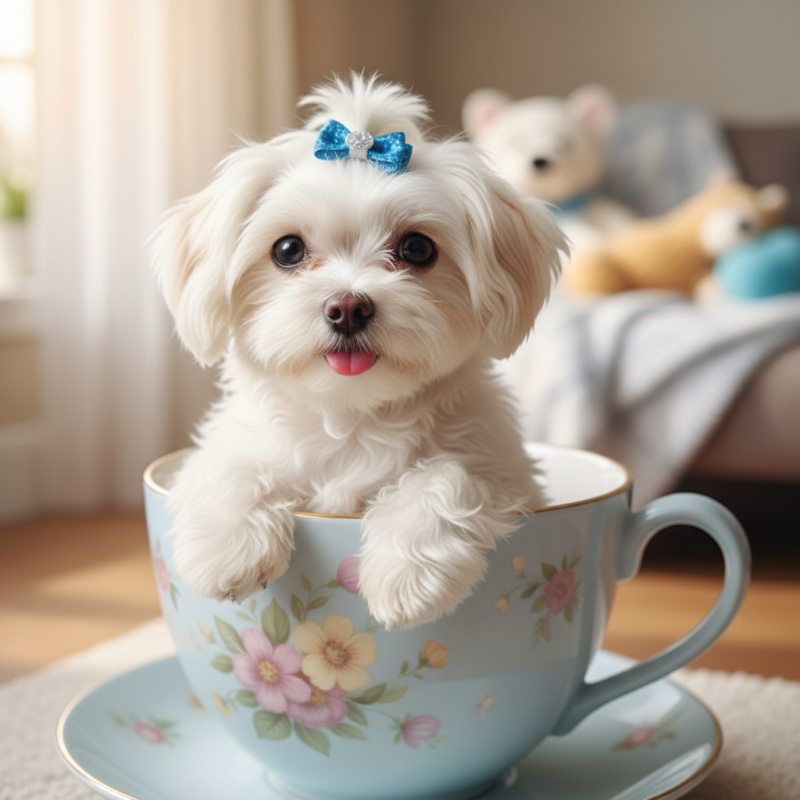
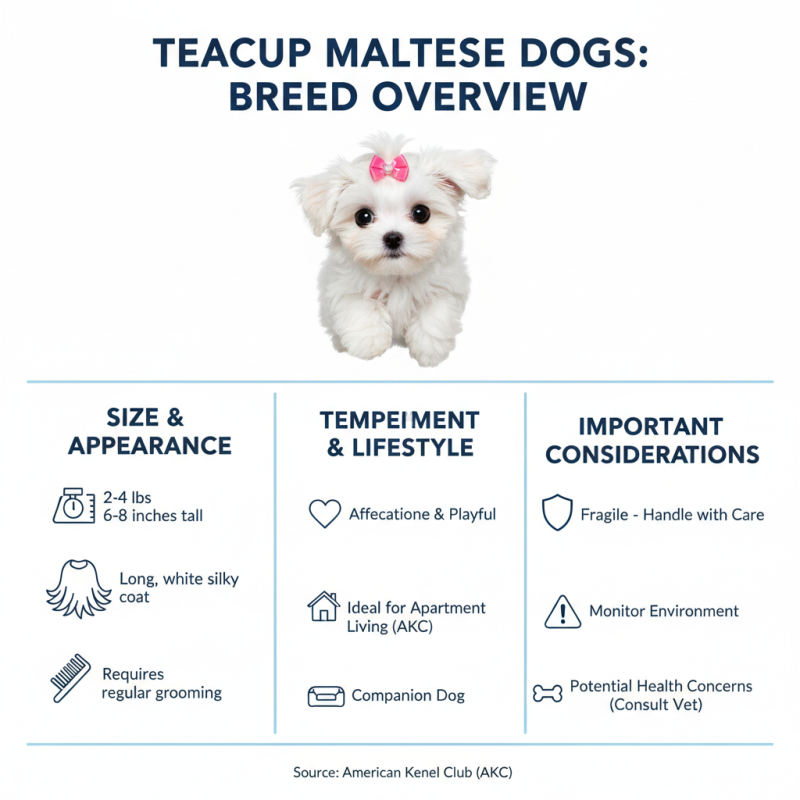
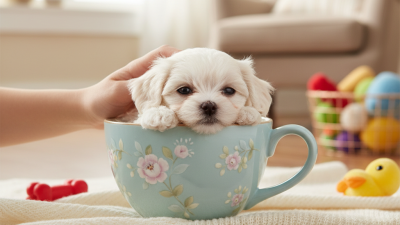
Teacup Maltese dogs are tiny companions known for their playful nature and affectionate demeanor. Typically weighing between 2 to 4 pounds, they stand just 6 to 8 inches tall. These dogs have a long, silky white coat that requires regular grooming. According to the American Kennel Club (AKC), their size makes them ideal for apartment living. However, being small means they are also fragile. Potential owners should be cautious about their environment.
This breed is classified under toy dogs. They have a lively and spirited personality, often forming strong bonds with their owners. Studies show that small dogs, including Teacup Maltese, can suffer from anxiety if left alone too long. Thus, social interaction is crucial for their well-being. Numerous pet specialists recommend a minimum of 30 minutes of playtime daily. Their lifespan averages 12 to 15 years, which is a consideration for many potential owners.
While they make charming pets, potential challenges exist. Teacup Maltese require special care due to their delicate size. Regular vet check-ups are essential for preventive health care. Responsible breeding practices are crucial, as unethical breeding can lead to health problems. The emphasis should be on finding a reputable source to ensure a healthy pet.

Teacup Maltese dogs are well-known for their tiny size and charming appearance. Typically, these dogs weigh between 4 to 7 pounds and stand just 8 to 10 inches tall. Their small stature makes them ideal companions for city dwellers and those living in apartments. However, their size can lead to health issues, including fragile bones and dental problems.
These dogs have a long, silky white coat that requires daily grooming to maintain its cleanliness and shine. According to the American Kennel Club, they are classified as toy dogs, which emphasizes their compactness and liveliness. It's crucial to monitor their diet carefully, as excessive weight can exacerbate existing health concerns.
Tips: Ensure you provide a balanced diet specific for small breeds. Regular veterinary check-ups are essential to avoid potential health issues. Consider using a harness instead of a collar for walks, given their delicate neck structure. Their tiny size may make them feel vulnerable; providing a safe environment will help them thrive.
Teacup Maltese dogs possess charming temperament traits that make them
popular companions. These dogs are known for their affectionate nature. They thrive on human interaction
and often seek attention from their owners. According to canine behavior studies, Teacup Maltese are particularly fond of socializing.
They can experience separation anxiety if left alone for too long. This sensitivity necessitates
careful consideration for potential owners.
These small pups also exhibit playful and lively personalities. They enjoy engaging games and can be quite spirited. However, it's
important to note that their size can lead to fragile situations. They might not play well with large dogs or boisterous children.
Keeping a close eye during interactions is vital for their safety. Teacup Maltese require gentle training techniques.
Harsh methods can damage their confidence. Studies suggest that positive reinforcement works best for their learning.
Additionally, Teacup Maltese can display stubborn tendencies. This means that patience is key in their training.
They might not always respond to commands right away. Consistent, gentle guidance is essential to mold their behavior. In a home setting,
providing a structured environment is crucial. It helps these tiny companions feel secure. Balancing their energetic playfulness with calm
training sessions is helpful. Overall, understanding their temperament is imperative for a harmonious relationship.
Teacup Maltese dogs are undeniably adorable, but they come with significant health concerns. These tiny canines often suffer from genetic issues. A report from the American Kennel Club highlights that small breeds like the Teacup Maltese are prone to ailments such as dental problems, liver shunt, and patellar luxation. Their small size also makes them susceptible to hypoglycemia, especially in puppies. This condition can result in dangerously low blood sugar levels, leading to lethargy and even seizures.
The lifespan of Teacup Maltese dogs is another critical factor. On average, they live between 12 to 15 years, a lifespan that can be affected by their health. Maintaining a proper diet and regular veterinary check-ups can help. However, many owners feel pressure to keep them as small as possible, often leading to poor breeding practices. This can result in a less healthy dog. Veterinary experts recommend finding a responsible breeder to minimize these risks. Ultimately, the health and happiness of a Teacup Maltese depend heavily on informed choices made by their owners.
| Fact | Details |
|---|---|
| Size | Teacup Maltese dogs typically weigh between 2 to 4 pounds and stand about 6 to 8 inches tall. |
| Lifespan | The average lifespan of a Teacup Maltese is around 12 to 15 years. |
| Health Concerns | Common health issues include dental problems, patellar luxation, and eye disease. |
| Temperament | They are known for being affectionate, lively, and playful, making them great companions. |
| Grooming Needs | Regular grooming is essential to keep their long, silky coats healthy and mat-free. |
| Exercise Requirements | They enjoy short walks and playtime, but they do not require extensive exercise. |
| Diet | A balanced diet formulated for small breeds is recommended to maintain health and proper weight. |
| Training | They are intelligent and can be trained easily, but consistency and patience are key. |
| Socialization | Early socialization is important to help them develop a well-rounded personality. |
Teacup Maltese dogs require special care due to their small size and delicate nature. Owners must ensure their pets receive a balanced diet, including high-quality dog food rich in nutrients. A study from the American Kennel Club highlights that proper nutrition is crucial for their health and development. Too many treats can lead to obesity, which is a common issue in small breeds.
Routine vet check-ups are vital to catch potential health problems early. Teacup Maltese are prone to dental issues and specific genetic conditions. Regular brushing can help maintain good oral hygiene. Regular exercise is also essential, even if it's just short walks or playtime indoors. Overexertion can lead to injury, so owners should be cautious.
Grooming is another critical component of care. Their long, silky coats require weekly brushing to prevent matting and skin infections. Bathing should be done with gentle, dog-specific shampoos. Additionally, regular nail trimming is necessary to avoid painful overgrowth. Many owners find grooming a challenge, often unsure of the proper techniques. Seeking professional help may be useful at first to learn the basics.