Top 10 Tips for Raising Toy Cavoodle Puppies
Raising Toy Cavoodle Puppies can be a rewarding yet challenging journey. According to Dr. Emily Carter, a renowned animal behaviorist, “The key to success is understanding their unique needs.” Toy Cavoodles are known for their intelligence and affectionate nature. However, they can also be prone to anxiety if not properly cared for.
Their small size makes them charming companions, but it also means they require special attention. Many new owners underestimate their energy levels. They need regular exercise and mental stimulation to thrive. Without these, Toy Cavoodle Puppies may develop behavioral issues over time. Training can feel overwhelming at times, as they may not always be eager to listen.
It's essential to focus on socialization from a young age. They are friendly but can get shy or anxious in unfamiliar situations. Building confidence takes time and patience. Remember, raising a Toy Cavoodle is about finding balance. Mistakes will happen, and that’s okay. Using positive reinforcement is crucial for fostering a healthy relationship with these puppies. Their well-being often reflects the effort you put in.
Understanding the Toy Cavoodle: Breed Characteristics and Temperament
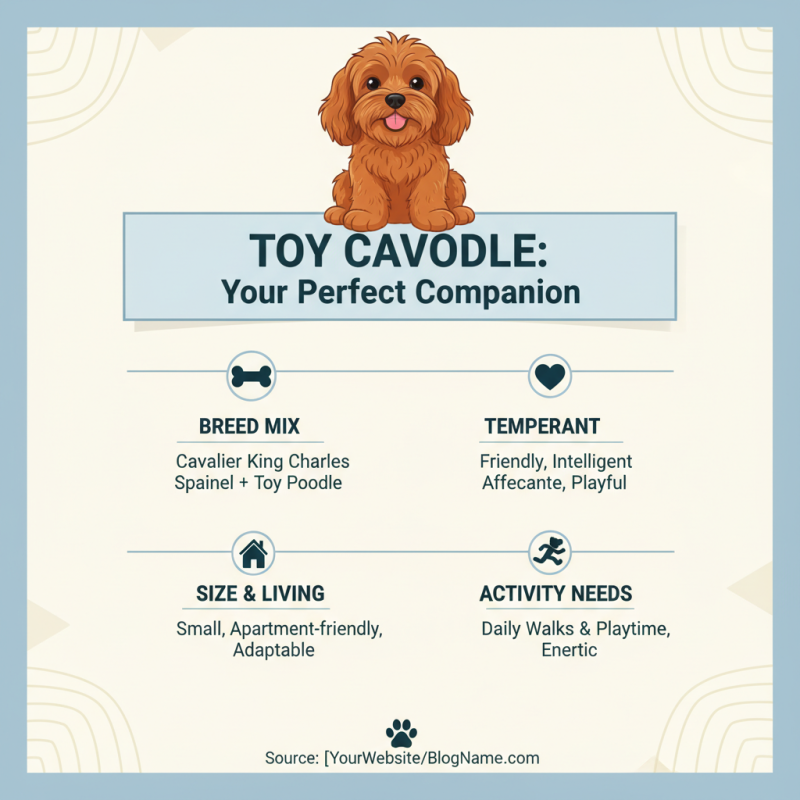
The Toy Cavoodle is a delightful mixed breed, known for its friendly demeanor and intelligence. This breed combines the affectionate nature of the Cavalier King Charles Spaniel with the playful spirit of the Toy Poodle. Their small size makes them ideal for apartments, but they need ample exercise. Daily walks and playtime are essential to keep them happy and healthy.
Temperament-wise, Toy Cavoodles are often gentle and good-natured. They usually get along well with children and other pets. However, they can be sensitive. Loud noises and sudden movements might scare them. Training requires patience. They respond well to positive reinforcement, but consistency is necessary. A lack of it can lead to unwanted behaviors like barking or separation anxiety.
Their coat is another aspect to consider. It can be curly or wavy, requiring regular grooming. Neglecting this can lead to matting, which can be painful for the puppy. Breeders and pet owners should be mindful of their socialization needs, as underexposure can lead to timidity. Each Toy Cavoodle is unique. Understanding their individual quirks is essential for a harmonious relationship.
Preparing Your Home for a Toy Cavoodle Puppy
Preparing your home for a Toy Cavoodle puppy is crucial. These small, intelligent dogs thrive in a safe and comfortable environment. According to the American Kennel Club, puppies require specific space to relax and play. Start by creating a designated area for your puppy. This space can be a cozy corner with soft bedding.
Eliminate potential hazards in your home. Puppies are curious and often chew on items they shouldn’t. Studies show that 80% of pet injuries occur in the home. Store away cleaning supplies and delicate objects. Avoid leaving electrical cords accessible. Utilize baby gates to manage areas where you do not want your puppy to explore.
Think about the puppy's social needs. A Toy Cavoodle benefits from interaction with family members. Set up a few toys for mental stimulation. However, be mindful of the materials used. Chew toys should be non-toxic and safe. Besides physical safety, consider emotional safety too. A calm, secure home helps reduce anxiety in puppies.
Essential Nutrition and Feeding Guidelines for Your Puppy
Feeding a Toy Cavoodle puppy requires careful attention. Their small size means they need specific nutrients in appropriate amounts. Studies show that puppies require 22% protein and 8% fat for healthy growth. High-quality puppy food supports their rapidly growing bodies. Look for formulas rich in vitamins and minerals. This not only aids development but also enhances coat health and immune function.
One challenge many owners face is managing portion sizes. Overfeeding can lead to obesity, even in small breeds. It’s reported that one in four dogs is considered overweight. This can lead to serious health issues. Regularly measure food and adjust based on your puppy's activity level. A one-on-one consultation with a vet can help. Discuss food varieties and suitable feeding schedules.
Hydration is just as critical. Fresh water should always be available. Puppies can be prone to dehydration, which affects their overall health. Regularly check their water bowl and refresh it daily. Sometimes, you might forget this crucial step amidst the chaos of puppy training. Keeping track of all these details takes effort, but it’s vital for your puppy’s well-being.
Socialization and Training Techniques for Toy Cavoodle Puppies
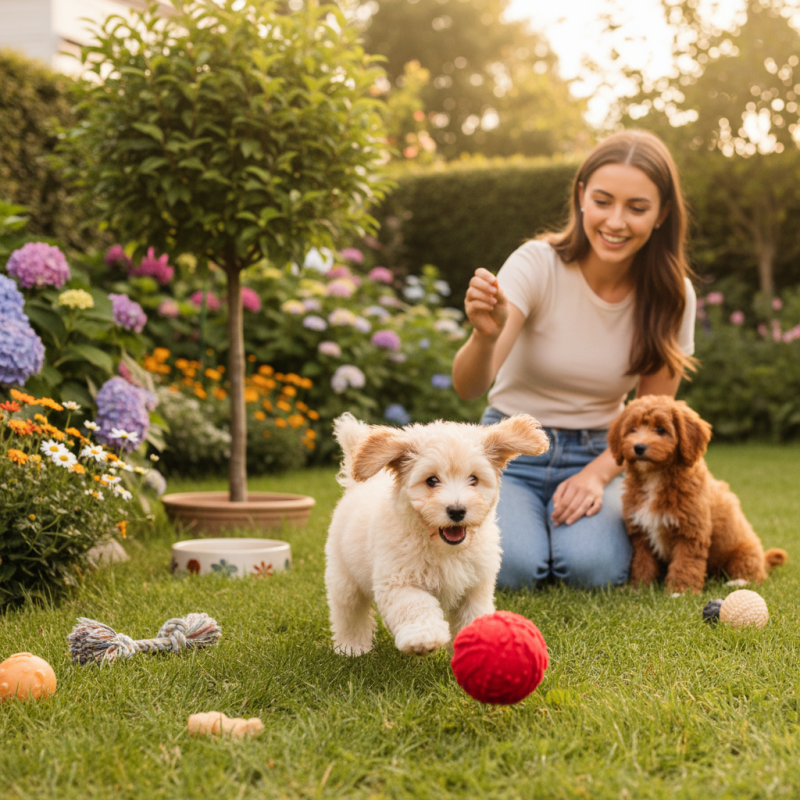
Socializing and training Toy Cavoodle puppies is crucial for their development. Start by exposing them to different people, environments, and other animals. Take them to parks and busy streets. Let them experience new sights and sounds. This will help them become well-adjusted adults. Puppies thrive on positive experiences. Try to create fun memories during these outings.
Training should begin early. Use simple commands like "sit," "stay," and "come." Keep training sessions short and engaging. Reward good behavior with treats or praise. It’s important to be patient. Puppies may not always understand right away. Some may bark excessively or have trouble focusing. Reflect on what works best for your puppy. Adjust your techniques as needed. Remember, consistency is key. Every interaction is an opportunity to teach. Embrace the process and enjoy every moment.
Top 10 Tips for Raising Toy Cavoodle Puppies
This chart displays the importance level of various training techniques for Toy Cavoodle puppies, with a scale from 1 to 10. Socialization and positive reinforcement are emphasized as key elements in raising a well-adjusted puppy.
Health Care and Regular Check-ups for Your Toy Cavoodle Puppy
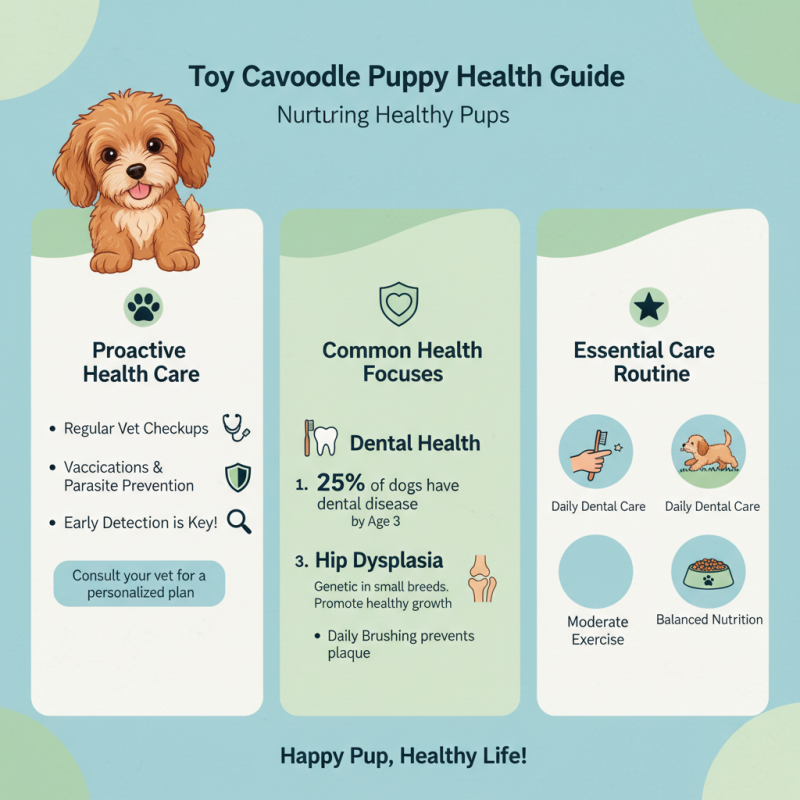
Raising a Toy Cavoodle puppy requires careful attention to health care and regular check-ups. These puppies are prone to specific health issues, such as dental problems and hip dysplasia. A study shows that about 25% of dogs, including small breeds, will experience dental disease by age three. Therefore, establishing a dental care routine is crucial. Regular brushing helps prevent plaque buildup and promotes overall health.
It's important to schedule vet check-ups. Experts recommend visits at least twice a year. During these visits, vaccinations can be updated. Blood tests for common health issues give valuable insights into their well-being. According to the American Veterinary Medical Association, annual check-ups can increase a pet's lifespan by up to 15%.
In addition to check-ups, a balanced diet, appropriate exercise, and mental stimulation are vital. Poor nutrition can lead to obesity, a growing concern for Toy Cavoodles. Nearly 54% of dogs in the United States are classified as overweight or obese. Reflect on your puppy's diet and adjust as needed. Small, daily adjustments can secure a healthier future for your beloved pet.