Top Tips for Using Rope Dog Accessories Safely and Effectively
When it comes to enjoying outdoor adventures with your furry friend, Rope Dog accessories can be invaluable. These accessories allow pet owners to ensure safety while maintaining control during walks, hikes, or training sessions. The durability of rope materials makes them ideal for various activities, but caution is necessary when using them.
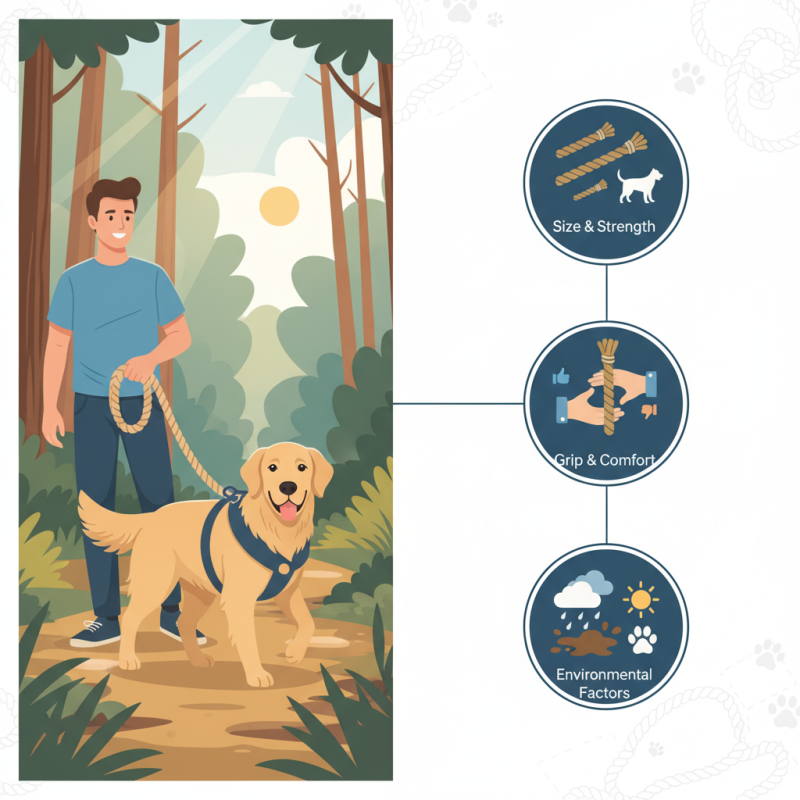
It’s crucial to select the right rope length and thickness based on your dog’s size and strength. A thick, sturdy Rope Dog leash can prevent accidents, but it may feel heavy for small breeds. Testing the grip and comfort is essential, too; some may find it awkward. Additionally, environmental factors can affect your experience. Rain or mud can lead to slippery situations, especially if the rope loses grip.
Reflecting on these factors can enhance your experience with Rope Dog accessories. Misjudging the strength needed can lead to unfortunate outcomes. Ensuring your pet is comfortable with the equipment is as critical as your own comfort. The goal is safe fun for both you and your dog. Balancing safety and practicality remains key.
Choosing the Right Rope Dog Accessories for Your Pet
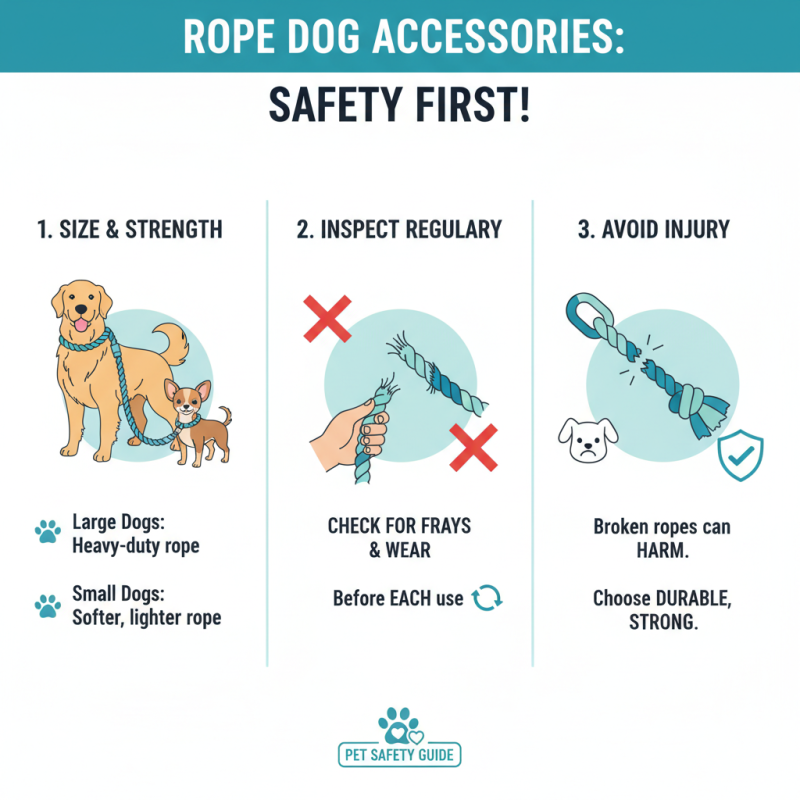
Choosing the right rope dog accessories is crucial for your pet's safety. Start by considering your dog's size and strength. A heavy-duty rope may be suitable for larger breeds but too tough for smaller ones. Always check for frays or wear before each use. Your dog could get hurt by broken or weak accessories.
Length matters. Long ropes allow for freedom, but they can tangle easily. Shorter ropes are easier to manage but limit movement. Assess your walking space. Small areas may require shorter accessories for safety. Be cautious outdoors; a loose rope can become hazardous when passed near busy roads.
Consider your dog's behavior. An energetic pet may need a stronger, thicker rope to withstand their enthusiasm. On the other hand, a calmer dog may do well with lightweight options. Don't forget, it's okay to make mistakes. You may choose an accessory that seems perfect but doesn’t suit your dog. Reflect on their needs and adjust accordingly. Safety should always come first.
Understanding the Safe Use of Rope Leashes and Collars
Using rope leashes and collars can enhance your dog's safety. However, understanding their correct use is crucial. Rope accessories vary in strength, weight, and texture. Ensure you choose the right one for your dog's size and breed. A too-heavy leash can cause strain, while a collar that’s too loose may slip off.
When attaching a leash, check for frays or weak spots. Ropes can wear down quickly with consistent use. Remember, the effectiveness of a leash is only as good as its condition. Regular checks will help avoid surprises during walks.
Training your dog to respond to the leash is also vital. Practice commands before outdoor adventures. Short practice sessions yield better results. A well-trained dog can avoid accidents, no matter the leash type. Don’t rush the process; consistency is key.
Training Your Dog with Rope Accessories: Best Practices
When training your dog with rope accessories, safety should be the priority.
Choose a sturdy rope that can handle your dog's weight and strength. Regularly inspect the rope for fraying or wear. If the rope shows any signs of damage, replace it immediately. A worn rope may break during play, leading to accidents.
In addition to safety, consider how you introduce the rope accessory. Start in a calm environment where your dog can focus. Use positive reinforcement to encourage them to engage with the rope. This could be through treats or praise. Some dogs may not take to the rope right away; that’s normal. Patience is key. You might need to try different techniques to find what suits your dog best.
Rope training isn't always perfect. Some dogs may chew through the ropes too quickly, or become overly excited. It’s essential to monitor your dog during play. If they seem anxious or overwhelmed, take a step back. Adjusting your approach helps create a more enjoyable experience for both you and your furry friend.
Regular Maintenance and Inspection of Rope Dog Accessories
Regular maintenance and inspection of rope dog accessories are crucial for your pet's safety. Ropes can wear out over time. Inspect for frays, knots, or signs of damage. A small wear can lead to breakage during a walk. Check the strength of the material regularly. If it feels weak or looks worn, replace it.
One tip is to clean your rope accessories frequently. Dirt and moisture can weaken the fibers. Wash them with mild soap and let them dry completely. Avoid direct sunlight, as UV rays can degrade the material. Another useful tip is to store the items properly. Keep them in a cool, dry place. A damp environment can encourage mildew.
If you notice any odd smells, don't ignore them. It might indicate bacteria buildup. Also, consider the length of the rope. Too long can cause tangles, while too short may not provide enough distance. Be mindful; your dog's safety depends on how well you maintain their gear. Taking time for these checks can lead to safer adventures together.
Top Tips for Using Rope Dog Accessories Safely and Effectively
Recognizing Signs of Wear and Tear in Rope Products
Rope dog accessories are popular for their versatility. However, it’s crucial to recognize signs of wear and tear. Regular inspection helps ensure your dog's safety. Look for fraying or discoloration. These are clear indicators that the rope is weakening. If you notice loose fibers, it’s time for a replacement.
Check for knots or tangles, too. These can create stress points that might snap under pressure. A damaged loop can lead to accidents. Remember, a small defect can turn into a big problem. Pay attention to how the rope feels in your hands. If it feels brittle or stiff, it may be aging faster than you realize.
Cleaning is also key to longevity. Dirt and moisture can cause fibers to degrade. Make it a habit to wash your accessories regularly. However, over-washing can lead to damage as well. It’s a balancing act that requires observation. Always consider the environment where the rope is used. Different conditions can affect its lifespan. Keep an eye out for these factors. They can save you from unexpected mishaps.
Top Tips for Using Rope Dog Accessories Safely and Effectively
| Accessory Type |
Signs of Wear |
Recommended Action |
Frequency of Inspection |
| Rope Leash |
Fraying, discoloration, or knots |
Replace if frayed; check for knots regularly |
Every walk |
| Rope Harness |
Tears, broken stitching, or loss of elasticity |
Replace immediately if damaged |
Weekly |
| Rope Toys |
Loose threads, pieces coming off |
Dispose of if damaged |
Before playtime |
| Rope Tie-Out |
Weak points, kinks, sun damage |
Replace if weakened |
Monthly |