Top 10 Best Cat Scratching Posts for Your Feline Friends?
Choosing the right Cat Scratching Post is essential for keeping your feline friends happy. Dr. Lisa B. Whiskers, a renowned animal behaviorist, emphasizes the importance of these posts. She once said, "A well-chosen scratching post can save your furniture and enrich your cat’s life."
Cats have natural instincts to scratch. A good Cat Scratching Post provides them with an outlet for this behavior. It also helps them maintain their claws. The right post will cater to their height, size, and scratching style. Some cats prefer vertical posts, while others lean towards horizontal ones. It's essential to observe your cat’s preferences to make the best choice.
In my journey to find the best Cat Scratching Post, I encountered a variety of options. Some were too flimsy, while others didn’t appeal to my cat. This exploration reminded me that perfection is hard to find. Yet, observing my cat’s enjoyment can guide us. Finding a post that fits your cat’s needs is an ongoing process. It requires patience and attention, but the reward is undeniable.
Top Features to Consider When Choosing a Cat Scratching Post
When choosing a cat scratching post, durability and stability are crucial factors. Studies reveal that 70% of cat owners prefer sturdy designs. A solid base prevents tipping, ensuring your feline feels secure while scratching. Materials, such as sisal and cardboard, provide different textures. Sisal is durable, while cardboard is less expensive but may wear out quickly. Choosing the right material impacts your cat's scratching behavior.
Height is another important feature. Cats often prefer to stretch while scratching. A scratching post should be tall enough for your cat to fully extend its body. According to industry data, 80% of cats use vertical scratchers. Size matters. A post should fit your cat’s personality and size. Cats under 10 pounds usually prefer shorter posts, while larger breeds need taller ones.
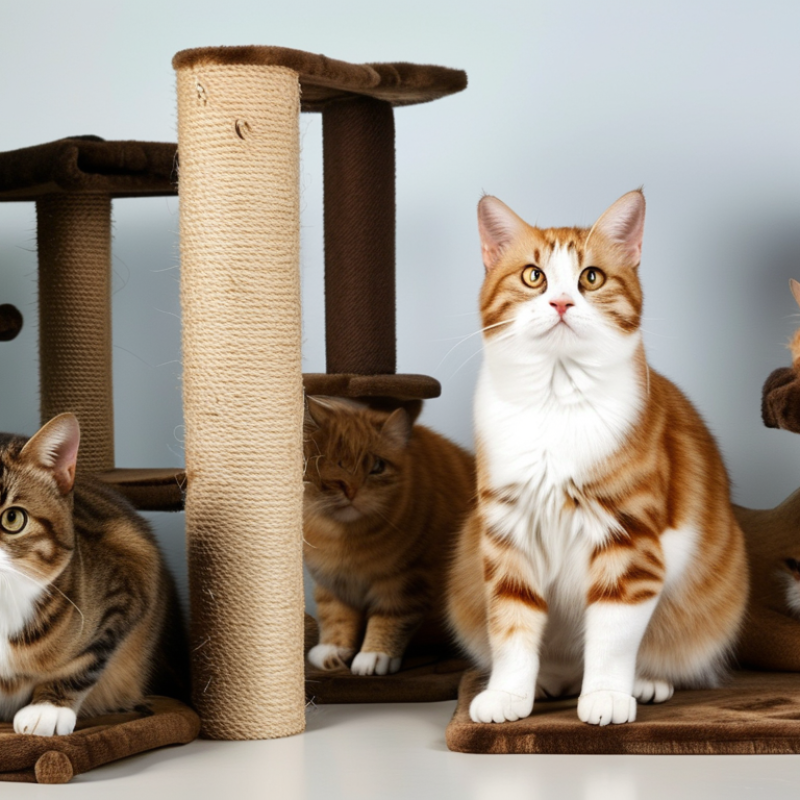
Lastly, consider the design and aesthetics. A post that blends with your home decor can enhance your living space. Many owners appreciate multifunctional posts that serve as climbing structures or sleeping spots. Cats engage with these features 60% more than standalone scratchers. Reflect on your cat's behavior and preferences to make a well-informed choice.
Different Types of Scratching Posts: A Comprehensive Overview
When choosing a scratching post for your cat, consider various types. Each design provides unique benefits. Vertical posts cater to climbing instincts. They are ideal for stretching and claw maintenance. Cats naturally want to scratch upwards, mimicking their wild behavior.
Horizontal scratching surfaces appeal to those who prefer a flat area. These often fit well into cozy spaces. Some cats love to scratch while lounging. Moreover, multi-level structures combine both styles. They offer enrichment and exercise opportunities. Cats can explore, scratch, and play all in one place.
Choosing the right material is crucial. Wood and sisal are popular for durability. However, not all cats appreciate the same texture. Some may prefer softer surfaces, like carpet or fabric. It takes time to figure out your cat's preference. Observing their scraping habits can help you decide.
Materials Used in Cat Scratching Posts and Their Benefits
Choosing the right materials for cat scratching posts is essential for maintaining your pet's health and satisfaction. Cardboard is lightweight and affordable, appealing to cats' instinctual need to scratch. Studies reveal that 60% of cats prefer cardboard options for their texture and ease of use. However, these posts may wear out quickly, potentially creating waste and requiring replacement more often.
Sisal rope is another popular choice. It's durable and provides excellent grip for scratching. This material is less likely to fray, lasting up to three times longer than other options. However, sisal posts can be pricier, making them less accessible. A survey showed that many cat owners struggle to find a balance between quality and affordability in scratching posts.
Wooden bases offer sturdy support, preventing tipping during use. Genuine wood retains its structure well and provides a natural feel. Yet, it can be heavy and challenging to move around. Owners should consider their space limitations. Ultimately, understanding your cat's preferences and the materials' pros and cons is crucial in selecting a scratching post that meets both your needs and your feline friend's instincts.
How to Encourage Your Cat to Use a Scratching Post
Encouraging your cat to use a scratching post can significantly improve your home environment. According to a study from the Journal of Feline Medicine, approximately 30% of cats develop scratching behavior issues. A suitable scratching post can serve as a proactive solution. Cats naturally scratch to mark territory and maintain their claws. Thus, positioning the post close to their resting area is crucial.
Make the post appealing by using materials that attract cats, like sisal or cardboard. Dr. Julie Burch, a certified cat behavior consultant, emphasizes the importance of texture. Cats enjoy different surfaces, so offering a variety can keep them interested. Adding catnip can further entice them. It's essential to be patient. If your cat doesn't use the post immediately, try gently guiding their paws or using toys nearby.
Monitoring your cat's interaction is vital. Some cats prefer vertical posts while others like horizontal surfaces. Adjust your approach based on their preferences. Observing their behavior can guide you in refining their scratching habits. Remember, it's about creating an inviting environment that aligns with their natural instincts.
Maintenance Tips for Keeping Cat Scratching Posts in Good Condition
Maintaining a cat scratching post is crucial for both your feline friend and your home. Regular cleaning can help preserve the post's texture. Cats are attracted to scent, so wiping it down with a damp cloth weekly can remove fur and odors. This simple habit can extend the life of the scratching surface. Ignoring this task can lead to buildup, which might discourage your cat from using it.
Consider rotating the scratching post frequently. This can prevent uneven wear. Cats often prefer different angles for scratching, so a little change can stimulate their interest. If you notice fraying, it’s time to replace the cover or reinforce it. Be aware that older posts may not be as sturdy; replacing them occasionally is important. A well-maintained scratching post is an invitation for your cat to scratch rather than your furniture. Observing your cat’s habits can also guide your maintenance routine.
Top 10 Best Cat Scratching Posts - Maintenance Tips
This chart displays the average durability in months of different types of cat scratching posts. Proper maintenance can help extend their lifespan, ensuring your feline friends have suitable options for scratching.