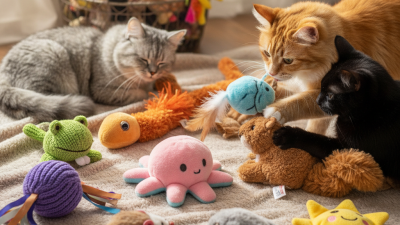
Choosing the right Cat Toys can transform an ordinary room into a safe, engaging hunting space. A feather wand may trigger a focused chase, while a puzzle feeder can make one quiet corner feel challenging. However, every cat responds differently. Age, body size, confidence, and previous experiences all influence play preferences.
Mikel Delgado, PhD, a certified cat behavior consultant, has said, “Play is an important part of a cat’s life.” This idea guides the selection of the top ten types of cat toys. The list considers interactive toys, ball toys, tunnels, catnip toys, electronic toys, scratching toys, teaser wands, puzzle feeders, plush toys, and climbing-related play items. Each category offers a different form of movement or mental stimulation.
Practical experience also matters. A toy that excites one kitten may frighten another. Some cats prefer slow, ground-level movement. Others enjoy toys that disappear behind furniture. Rotate toys regularly, and inspect strings, feathers, seams, and small parts. Damaged toys should be removed immediately.
No list is perfect. A costly electronic toy may receive less attention than a paper ball. That result can feel disappointing, but it reveals an important truth: cats choose with their instincts, not our expectations. The following guide explains each toy type, its main benefits, suitable users, and possible limitations. It also encourages thoughtful observation, because safe play begins with understanding the individual cat.
What Are the Top 10 Types of Cat Toys?
Understanding How Cat Toys Support Feline Health and Behavior
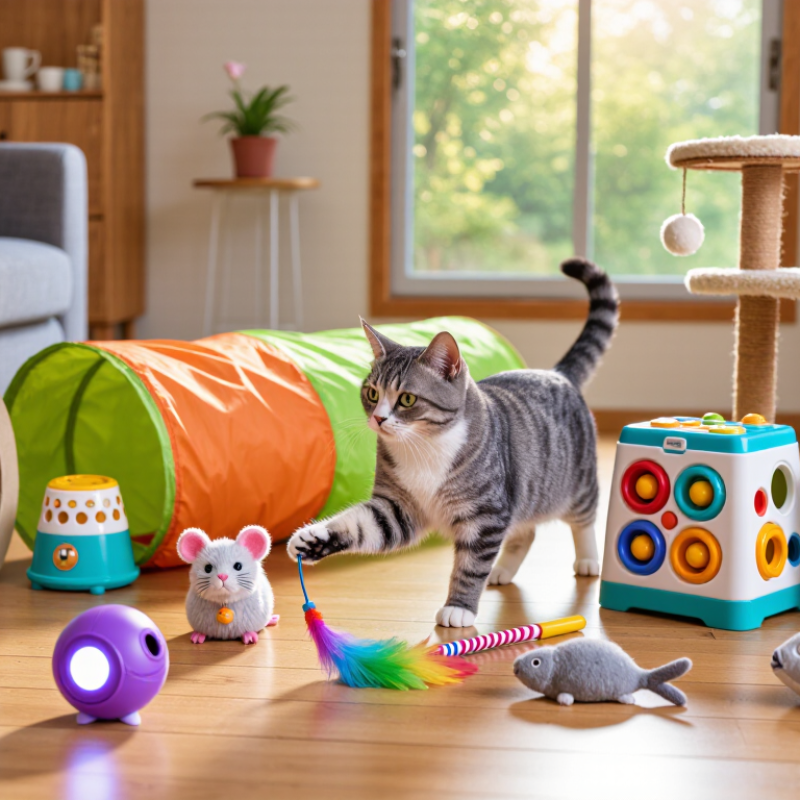
Cat toys are more than entertainment. They can support exercise, coordination, curiosity, and emotional balance. Wand toys encourage chasing and jumping, while balls develop tracking skills. Toy mice invite stalking behavior. Tunnels provide hiding spaces and short bursts of movement. Crinkle toys add interesting sounds. Kicker toys let cats grab, bite, and bunny-kick safely. Scratcher toys support claw maintenance and may reduce furniture damage. Puzzle feeders make cats work for small food portions. Treat-dispensing toys slow fast eating and stimulate problem-solving. Motorized toys create unpredictable movement, though some cats dislike their noise.
Each toy supports a different part of feline behavior. A wand toy can help an indoor cat burn energy before bedtime. A puzzle feeder may reduce boredom during quiet afternoons. Hiding toys in a tunnel can build confidence in a cautious cat. Scratching also leaves scent signals through glands in the paws. This behavior is normal, not spiteful. Rotate toys every few days. Familiar objects can become invisible.
Safety still needs attention. Remove loose strings after interactive play. Check toys for torn fabric, sharp edges, or small parts. Supervise toys that contain feathers, bells, or detachable pieces. Not every cat enjoys the same activity. Some prefer a cardboard tunnel over an expensive electronic toy. That is easy to forget. A thoughtful owner watches body language, stops play when the tail lashes sharply, and adjusts the routine gradually. Fresh movement matters, but forced play can create stress.
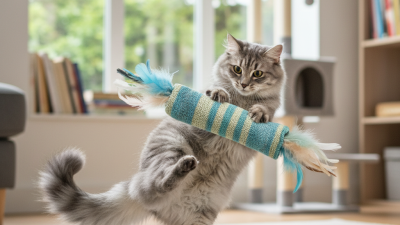
Cat toys support natural feline behaviors such as stalking, chasing, pouncing, batting, scratching, climbing, and problem-solving. This comparative enrichment scale reflects how strongly each toy type can support physical activity, mental stimulation, and instinctive play when used appropriately. Rotate toys regularly, supervise string-based toys, and avoid small parts that could be swallowed.
The best cat toys invite movement, choice, and problem-solving. Wand toys mimic quick prey and encourage jumping, chasing, and controlled pouncing. Rolling balls create short sprints across floors. Puzzle feeders make cats search for small food portions instead of eating passively. Treat mazes add a slower, more challenging reward system. Motion-activated toys can surprise cats with unpredictable movement. Some cats love them. Others ignore them completely.
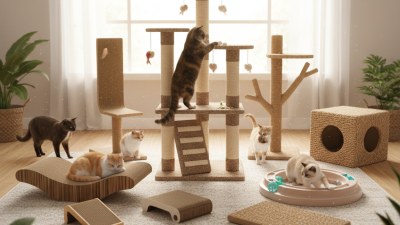
Tunnels provide hiding spaces and sudden ambush opportunities. Kicker toys support wrestling and hind-leg kicking during energetic play. Climbing towers combine exercise, observation, and scratching. Laser pointers can encourage chasing, but never shine them near a cat’s eyes. End each session with a physical toy or treat, so the chase feels complete. Hide-and-seek boxes also offer simple mental enrichment with household materials.
A useful routine lasts five to fifteen minutes and follows your cat’s natural energy. Move a wand along the floor, pause behind furniture, then let the cat catch it. Rotate toys every few days to prevent boredom. Food puzzles require supervision at first, especially for cats that become frustrated. Watch body language. Flattened ears, a twitching tail, or sudden withdrawal may mean the game is too intense. I once underestimated how much a quiet cat valued a cardboard box over expensive-looking gadgets. Preference matters more than appearance. Washable toys should be checked regularly for loose strings, sharp edges, or damaged parts.
What Are the Top 10 Types of Cat Toys?
Chase, Hunt, and Pounce Toys for Natural Predatory Play
Cats often play through a natural sequence: orient, stalk, chase, pounce, and catch. The best toys support several parts of this sequence without forcing every cat to play identically. From my experience, the most useful categories include wand toys, feather lures, fabric ribbons, toy mice, plush birds, rolling balls, track balls, motorized moving toys, play tunnels, and treat puzzles. Wand toys usually create the most convincing prey-like movement. Move them away from your cat, then pause briefly. That pause can trigger a focused pounce.
Change direction unpredictably. Let the toy hide behind a cushion or disappear inside a tunnel. Small toy mice encourage batting and carrying, while rolling balls invite quick chases across open floors. Motorized toys can add movement when people are busy, but they should not replace interactive play. Some cats become frustrated by toys they cannot catch. End sessions by allowing a successful capture. I once left a fast-moving toy out too long, and the cat simply lost interest. That reminded me that novelty matters more than speed.
Inspect ribbons, feathers, and small parts regularly. Remove damaged toys before pieces separate. Rotate several options every few days, since familiar toys may become invisible to a bored cat. A cat’s age, body condition, confidence, and hunting style should guide the choice. Older cats may prefer gentle floor movements. Energetic cats may need tunnels, longer chases, and repeated pounces. Watch the tail, ears, and breathing. Play should look engaged, not distressed.
A practical comparison of cat toy types that encourage instinctive stalking, chasing, hunting, pouncing, batting, and problem-solving behaviors.
| Rank | Cat Toy Type | Primary Predatory Behavior | How It Works | Best For | Typical Play Style | Engagement Potential | Important Safety Consideration |
|---|---|---|---|---|---|---|---|
| 1 | Interactive Wand Toys | Stalking, chasing, leaping, and pouncing | A person moves a feather, fabric strip, or lure in unpredictable directions to imitate moving prey. | Active cats and supervised interactive sessions | Fast, varied, and highly interactive | Very High | Store out of reach after play because strings, cords, and loose attachments can be swallowed or tangled. |
| 2 | Small Plush Prey Toys | Chasing, grabbing, biting, and carrying | Small soft toys imitate prey-sized objects that cats can bat, catch, carry, and kick. | Kittens, indoor cats, and independent play | Short bursts of batting and carrying | High | Choose toys without easily detached eyes, ribbons, bells, or other small parts; replace damaged toys. |
| 3 | Ball and Rolling Toys | Chasing and rapid pursuit | Rolling or bouncing movement creates an escaping-prey effect and encourages a cat to follow and intercept. | Energetic cats and homes with open floor space | Quick sprints, batting, and repeated pursuit | High | Use balls large enough not to be swallowed and avoid toys that can become trapped in narrow spaces. |
| 4 | Catnip or Silver Vine Toys | Batting, wrestling, rubbing, and kicking | Scent enrichment can increase interest in a toy, although individual responses vary between cats. | Adult cats that respond to aromatic enrichment | Rolling, rubbing, bunny-kicking, and brief energetic play | Medium to High | Not every cat responds to these scents; supervise chewing and remove toys when fabric or filling becomes exposed. |
| 5 | Treat-Dispensing Puzzle Toys | Searching, pawing, manipulating, and problem-solving | A cat works through openings, compartments, or moving parts to access food or treats. | Food-motivated cats and indoor enrichment | Slow, focused, and mentally demanding | High | Use only a portion of the cat’s daily food allowance to help prevent excess calorie intake. |
| 6 | Electronic Moving Toys | Tracking, chasing, and pouncing | Randomized motion, vibration, or programmed movement provides prey-like activity without constant human control. | Cats that enjoy movement and independent play | Intermittent pursuit with periods of observation | High | Inspect batteries, seams, and moving parts regularly; stop use if pieces become loose or damaged. |
| 7 | Tunnel and Peekaboo Toys | Stalking, hiding, ambushing, and darting | Enclosed spaces let cats conceal themselves, watch movement, and launch surprise attacks. | Shy cats, kittens, and cats that enjoy hiding | Ambush play with sudden bursts of movement | High | Provide clear exits, check for collapsed sections, and avoid tunnels with inaccessible areas or damaged wires. |
| 8 | Laser-Style Light Toys | Visual tracking and chasing | A moving light stimulates pursuit and encourages a cat to follow a fast, elusive target. | Cats attracted to moving light and supervised exercise | Rapid tracking and repeated sprints | High | Never shine light into the eyes; finish by directing the cat to a tangible toy or treat so the session has a physical reward. |
| 9 | Kicker Toys | Grabbing, biting, wrestling, and hind-leg kicking | Longer, sturdy toys give cats an object to hold with the front paws while kicking with the rear legs. | Adult cats and cats that enjoy vigorous wrestling | Full-body wrestling and short intense sessions | Medium to High | Select durable, non-toxic materials and replace the toy if seams split or stuffing becomes accessible. |
| 10 | Climbing and Batting Toys | Climbing, reaching, swatting, and vertical pouncing | Platforms, hanging objects, and elevated surfaces add height and encourage cats to reach and strike. | Active cats that enjoy vertical space | Vertical exploration with intermittent batting | Medium to High | Anchor tall structures securely and check hanging elements often for fraying, entanglement, or loose attachments. |
Among the top ten types of cat toys, solo toys deserve special attention. They support independent play, stalking practice, and safe exploration when people are busy. Useful choices include puzzle feeders, treat balls, crinkle toys, kicker toys, springs, toy mice, track balls, tunnels, catnip toys, and simple motion toys. Each offers a different action. A puzzle feeder slows eating. A tunnel creates cover. A spring encourages quick paw taps. Toys do not replace social interaction.
In my experience, cats often reveal their preferences through small details. One cat may chase a ball across wooden floors, while another prefers batting a toy beneath a sofa. Animal behavior professionals commonly advise rotating toys, rather than leaving every option available. Rotation keeps familiar objects interesting and reduces clutter. I once assumed a noisy toy would provide better enrichment. My cat avoided it completely. That was a useful correction.
Choose solo toys with sturdy construction and suitable sizing. Avoid loose parts, long strings, or damaged surfaces during unsupervised play. Inspect toys regularly, especially after vigorous chewing. Food puzzles should match the cat’s ability, or frustration may replace curiosity. Place a tunnel near a quiet corner, and leave a treat ball on a washable mat. Some cats need time to investigate. Others lose interest quickly. That is normal, though it makes toy selection less predictable.
Choosing Safe, Suitable Toys for Different Cats and Living Spaces
The American Pet Products Association’s 2023–2024 National Pet Owners Survey records 46.5 million U.S. cat-owning households. That number hides differences in age, energy, mobility, and home design. A practical toy list includes wand toys, balls, plush mice, kicker toys, catnip toys, tunnels, puzzle feeders, treat dispensers, scratcher-toys, and motion toys. Wand toys support supervised hunting games. Balls and mice work well in hallways. Tunnels and kicker toys encourage stalking, pouncing, and wrestling. Puzzle feeders add mental work for indoor cats.
Small rooms need rotation, not a crowded floor. Choose soft, washable toys for older cats. Use sturdy puzzles for confident problem-solvers. A quiet plush mouse may suit a nervous cat better than a noisy motorized toy.
For kittens, avoid loose threads, detachable eyes, long elastic, and swallowable parts. Never leave string, ribbon, or wand attachments unattended. Laser play should end with a physical toy or treat.
The 2024 PDSA Animal Wellbeing Report estimates 11.1 million pet cats live in the United Kingdom. Yet one toy cannot suit every household. Feline environmental guidelines emphasize choice, hiding spaces, and predictable interaction.
Inspect toys weekly and remove cracked plastic. I sometimes overestimate expensive-looking gadgets. The simple toy often wins. Observe the ears, tail, and pauses; choosing toys remains a small experiment, not a guarantee.