Top Moving Dog Toys for Global Buyers in 2026?
In a world where pets are increasingly seen as family members, the market for Moving Dog Toys is rapidly evolving. Owners are looking for engaging options that stimulate their furry friends physically and mentally. These toys not only entertain dogs but also promote exercise, reducing behavioral issues caused by boredom.
As we approach 2026, it’s crucial to explore what types of Moving Dog Toys will capture the attention of global buyers. Innovative designs and interactive features are at the forefront of this trend. Choices range from toys that mimic prey to those that offer unpredictability in their movement. Fortunately, many brands are stepping up, responding to the demand for high-quality, durable items.
However, it's worth pondering: are these toys really beneficial for every dog? Some pets may be overwhelmed by excessive stimulation. Additionally, finding the right toy for a dog's unique needs requires careful consideration. This article will delve into the anticipated bestsellers while encouraging thoughtful choices among buyers. Ultimately, the goal is to enrich the lives of our canine companions with the best Moving Dog Toys available.
Emerging Trends in Dog Toys for 2026
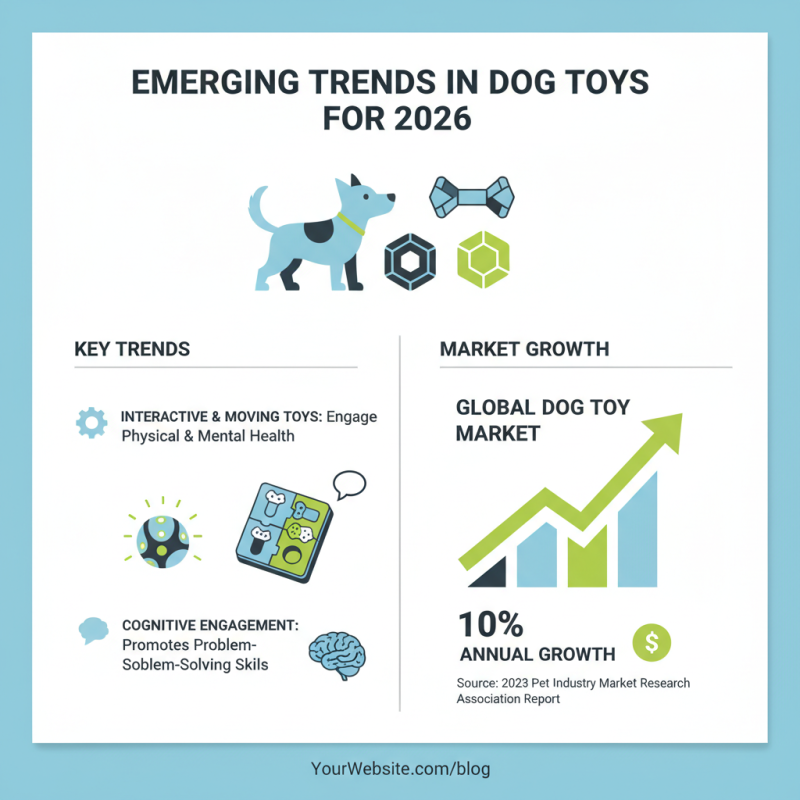
As 2026 approaches, the landscape of dog toys is undergoing notable changes. Emerging trends indicate a shift towards interactive and moving dog toys that engage pets both physically and mentally. According to a 2023 report by the Pet Industry Market Research Association, the global dog toy market is projected to grow by 10% annually, reflecting increasing consumer demand for innovative products.
One significant trend is the integration of technology in dog toys. Toys featuring movement or sound capture dogs' attention more effectively. Interactive toys that use sensors or timers are becoming more popular. Owners seek products that encourage their dogs to play independently. These toys address common issues like boredom and destructive behavior in pets.
Furthermore, the focus on sustainability is shaping the industry. Many consumers now prefer eco-friendly materials. Biodegradable toys are gaining traction, appealing to environmentally conscious buyers. However, the challenge remains: not all sustainable options are durable. Manufacturers are exploring ways to balance longevity and eco-friendliness, a task that needs more attention.
This evolving market reflects changing pet owner needs and values. It's an exciting time for dog toys, blending entertainment with responsibility. The demand for innovative, engaging, and sustainable options will likely define the future of dog play.
Top Features to Look for in Moving Dog Toys
When choosing moving dog toys for your furry friend, several key features stand out. Look for toys that are designed to stimulate your dog's instincts. A good toy will engage their natural curiosity. Motion sensors can enhance interactivity. These features keep your dog entertained and mentally active.
Durability is another essential aspect. Toys should withstand chewing and rough play. Choosing a high-quality material is crucial. Reinforced seams and tough fabrics can make a difference. However, not all durable toys guarantee safety; always inspect for wear and tear.
Consider the size and weight of the toy. A moving toy must be suitable for your dog’s breed. If a toy is too small or too heavy, it may frustrate your pet. Additionally, toys that offer variable speed options encourage your dog to chase and explore. This variability can help sustain their interest over time. Finding the right balance in features will enhance your dog's play experience.
Top Moving Dog Toys for Global Buyers in 2026
| Toy Name |
Type |
Material |
Features |
Price (USD) |
| Interactive Ball |
Ball |
Rubber |
Bouncing, Squeaky |
15.99 |
| Moving Plush Toy |
Plush |
Fabric |
Wobbling, Sound |
22.99 |
| Chewing Bone Toy |
Bone |
Nylon |
Durable, Textured |
12.50 |
| Remote Control Car Toy |
Vehicle |
Plastic |
Moving, Fast |
34.99 |
| Tugging Rope Toy |
Rope |
Cotton |
Bouncing, Durable |
9.99 |
Popular Brands Dominating the Market in 2026
In 2026, the dog toy market is becoming increasingly vibrant. Various brands are emerging as key players. According to industry reports, the global pet toy market is projected to reach $13 billion by 2026. This growth indicates an expanding interest in moving dog toys that engage pets actively.
Leading brands focus on innovation and quality. These toys not only entertain but also promote physical activity and mental stimulation. Research reveals that interactive toys can significantly reduce anxiety in dogs and improve their overall well-being. A recent study showed that over 60% of pet owners report their dogs are more playful with interactive toys compared to traditional options. However, some brands struggle to maintain product quality while scaling production. This inconsistency can lead to customer dissatisfaction.
User-centered design is also becoming crucial. Brands that prioritize feedback tend to fare better in this competitive landscape. Creating a toy that dogs can enjoy safely requires diligence. While many brands excel, some still overlook essential safety standards. The challenge remains to balance fun and safety, ensuring every dog enjoys their toy without risk.
Global Buyer Preferences for Dog Toys in Different Regions
As the dog toy market evolves, regional buyer preferences are critical. A recent report highlighted that North American buyers tend to favor interactive toys, particularly those that stimulate physical activity. In contrast, European buyers often show a preference for eco-friendly options. This indicates a growing trend toward sustainability, with a 30% increase in demand for biodegradable materials in dog toys over the past two years.
In Asia-Pacific regions, the focus shifts to tech-enabled toys, which accounted for 25% of the market share in 2023. The incorporation of technology in dog toys offers enhanced engagement for pets, reflecting a modern approach to pet care. However, there are signs of market saturation in urban areas. Rural buyers, meanwhile, seek affordable yet durable toys, displaying a clear divide in preferences.
These findings reveal the complexity of global buyer behavior. Many buyers still have misconceptions about the durability of cheaper toys. Thus, while price is a key factor, value perception remains an area needing attention. The diverse customer base across regions highlights challenges and opportunities for manufacturers to cater to varied needs effectively. Addressing these preferences will be essential for success in the competitive dog toy market.
Sustainability in Dog Toy Manufacturing: A Future Perspective
The future of dog toy manufacturing hinges on sustainability. By 2026, pet owners are increasingly prioritizing environmentally-friendly products. Research indicates that 70% of consumers now prefer toys made from sustainable materials. With rising ecological awareness, the shift to biodegradable and recycled materials is more than a trend; it's becoming industry standard.
In the last decade, the pet toy industry has significantly targeted waste reduction. Many manufacturers are exploring alternative materials that meet safety standards while minimizing environmental impact. For example, toys crafted from organic cotton and natural rubber are gaining traction. However, there is still a gap between consumer demand and product availability. A common concern is that some toys marketed as "eco-friendly" lack transparency in their sourcing and production processes.
Moreover, the challenge persists in ensuring durability alongside sustainability. While biodegradable materials reduce environmental impacts, they often sacrifice longevity. Many pet owners note that some sustainable toys wear out quickly, leading to unnecessary waste. Striking the balance between performance and eco-consciousness will be crucial for manufacturers moving forward. As the industry evolves, continuous innovation and consumer education will play pivotal roles in enhancing sustainability in dog toy manufacturing.
Top Moving Dog Toys for Global Buyers in 2026
This chart illustrates the projected popularity of different categories of dog toys among global buyers in 2026. Interactive toys are anticipated to lead the market, followed by durable chew toys and eco-friendly options, reflecting a growing trend towards sustainability in dog toy manufacturing.