Top 10 Rope Dog Products Every Global Buyer Must Consider?
As pet ownership grows globally, the demand for quality pet accessories rises. Within this market, "Rope Dog" products have gained immense popularity. According to the Global Pet Products Market Report, the rope chew toy segment is expected to grow by 8% annually. This rise indicates that buyers are increasingly prioritizing quality and durability in their purchases.
Expert in pet behavior, Dr. Laura Thompson, emphasizes, "Rope Dog products must combine strength and safety." Pet owners are keen on items that entertain and withstand wear and tear. However, it's essential to reflect on safety standards and materials used in these products. Reports suggest that not all rope toys are created equal; some may contain harmful fibers or dyes.
Choosing the right "Rope Dog" products requires careful consideration. Buyers should investigate each option's materials and durability. Their pets' safety and enjoyment hinge on informed decisions. With the right insights, we can navigate this vibrant market and select the best options for our furry companions.
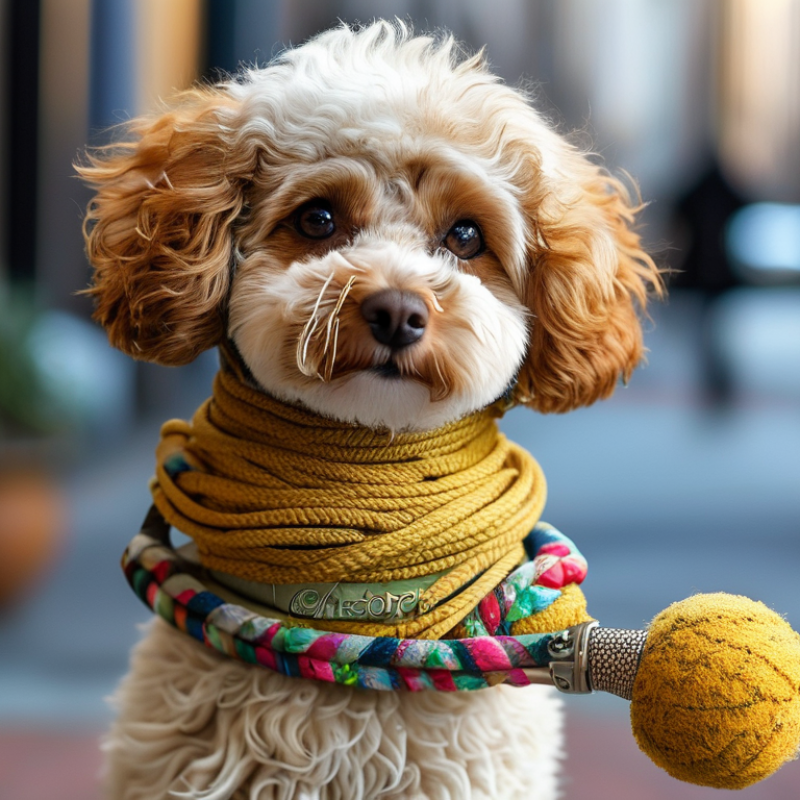
Essential Features to Look for in Rope Dog Products
When selecting rope dog products, durability is a critical feature. A study from the Pet Industry Association revealed that over 70% of pet owners prioritize durability when choosing toys. Durable materials ensure that products can withstand chewing and rough play. Look for ropes made from high-quality synthetic fibers that resist fraying. Organic cotton is also popular for its safety and eco-friendliness.
Another vital aspect is safety. Rope products should be non-toxic and free from harmful chemicals. Nearly 30% of dog owners reported health issues related to unsafe toys, as indicated by a recent veterinary survey. Inspect ropes for any loose threads or weak spots. A well-constructed product decreases the risk of choking hazards during playtime. The right elasticity can also prevent injuries during tugging games.
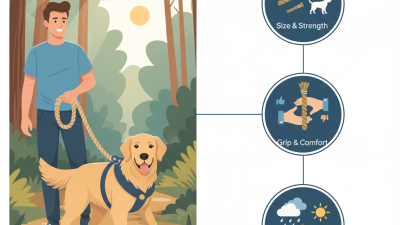
Comfort for the dog is necessary. Textured ropes can help grip for both dogs and their owners. According to a 2022 market research report, 40% of buyers now consider ergonomic designs essential. A product that is easy to handle can lead to more engaging playtime. Notice how your dog interacts with different textures; this can influence their enjoyment. Not all rope toys are created equal, and finding the right fit may take some trial and error.
Top 10 Must-Have Rope Dog Products for All Dog Owners
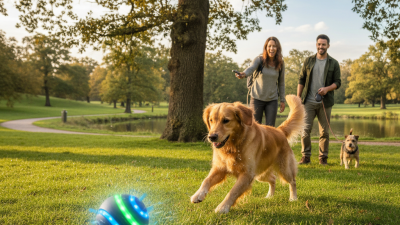
Rope dog products are essential for every dog owner. These items are versatile and durable. They can serve various purposes, from training to outdoor activities. A sturdy rope is an excellent tool for encouraging play and exercise. It helps keep dogs engaged and healthy.
One must-have item is a rope tug toy. It facilitates interactive play, helping strengthen the bond between you and your dog. A well-designed tug toy can withstand intense pulling. Ensure it’s safe and suitable for your dog’s size. Another option is a rope leash. It offers extra control and comfort during walks. Picking the right length is crucial for your dog's safety.
Consider safety aspects too. Frayed ropes can pose choking hazards. Regularly inspect your products and replace damaged ones. It’s easy to overlook this, but safety should always come first. Also, keep an eye on your dog’s enjoyment. If they seem uninterested or frustrated, it might be time to rethink your choices. Keeping your furry friend happy is the ultimate goal.
Comparative Analysis of Knot Types Used in Rope Dog Products
When considering rope dog products, understanding the types of knots used is essential. Knots play a crucial role in ensuring safety and durability. A well-knotted rope can withstand more strain, particularly during active use. Popular knot types include the square knot, bowline, and figure-eight knot. Each serves different purposes and offers varied strengths.
Square knots are simple and effective for tying two ropes together. However, they can slip under heavy loads. Bowline knots create a fixed loop, which is reliable but may require practice to tie correctly. Figure-eight knots provide excellent security, making them a favorite among climbers and dog handlers. Yet, they can be challenging to untie after heavy use.
Exploring knot options reveals room for improvement. Some users may struggle with complex knots, highlighting a need for simpler designs. Familiarity with various knots can enhance safety and performance in dog gear. When choosing products, consider how well the knot type fits your needs and the activity level of your dog.
Safety Considerations for Using Rope Products with Dogs
When considering rope dog products, safety should be a top priority. Many owners overlook the potential hazards involved with rope toys and leashes. It’s important to choose products that are made from non-toxic materials. Ensure that the rope is durable enough to prevent fraying or breakage, which can lead to choking hazards. Regular inspections of the products can help identify any wear and tear before it becomes a serious issue.
Understand your dog’s play behavior. Some dogs are more aggressive chewers than others. Watch how your dog interacts with rope toys. If they tend to pull threads or swallow pieces, it may not be the right choice. Educating yourself about safe usage can prevent injuries. Always supervise your pet while they are using rope products. Even seemingly safe items can pose risks, so be vigilant during playtime. The safety of your dog relies on your careful selection and monitoring.
Top 10 Rope Dog Products - Safety Considerations
Innovative Designs in Rope Dog Accessories for Enhanced Durability
Rope dog products have evolved significantly in recent years, focusing on durability and innovative designs. According to industry reports, the pet accessory market has seen a 12% annual growth. This indicates a rising demand for quality materials that can withstand the wear and tear of daily dog activities.
Enhanced durability is a key factor for buyers. Many manufacturers are now using specialized fibers in their ropes, which can endure harsh conditions. For instance, products crafted from nylon and synthetic blends provide increased resistance to fraying and breaking. Dog owners often report that these materials last 50% longer than traditional cotton ropes. This is crucial, as many pet owners value longevity over lower initial costs.
Another interesting aspect is the design features. Integrated handles, reflective stitching, and adjustable lengths have gained popularity. These innovations not only improve usability but also increase safety for both dogs and owners. A survey revealed that 78% of dog owners prioritize safety in their buying decisions. Despite these advancements, some products still fall short in real-world usage. Buyers often find that claimed durability does not always translate in practice, prompting a need for more thorough testing and transparency from manufacturers.