Top 10 Toy Cavoodle Facts Every Buyer Should Know?
Choosing a Toy Cavoodle can be a life-changing decision. These small, intelligent dogs are beloved for their friendly nature and adorable looks. Dr. Sarah Thompson, a renowned dog behaviorist, emphasizes, “Understanding the needs of a Toy Cavoodle is essential for a happy home.” As interest in this breed grows, potential owners must be well-informed.
Toy Cavoodles are known for their low-shedding coats, making them suitable for allergy sufferers. They thrive on social interaction and require regular mental stimulation. Owners should be prepared for their playful energy. While they are charming companions, some new owners might underestimate their training needs. A well-trained Toy Cavoodle is a joy, while one that isn't can lead to frustration.
Each Toy Cavoodle is unique. Some may be more stubborn than others. This variability can challenge new pet owners. It's crucial to understand that patience and consistency are key. By gaining insight into this fantastic breed, prospective owners can ensure a lasting bond with their Toy Cavoodle.
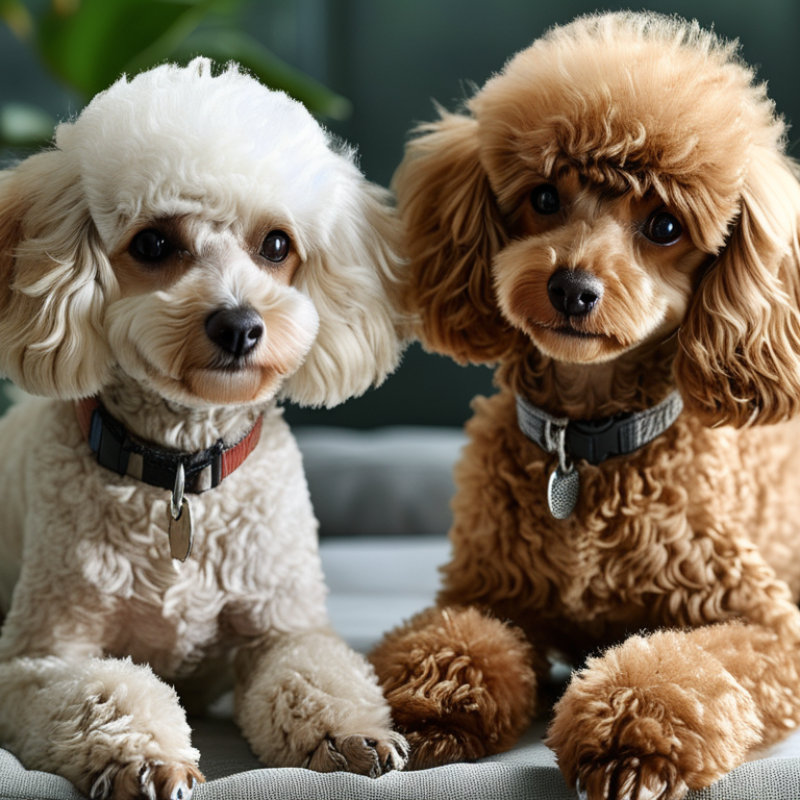
What is a Toy Cavoodle? An Overview of the Breed
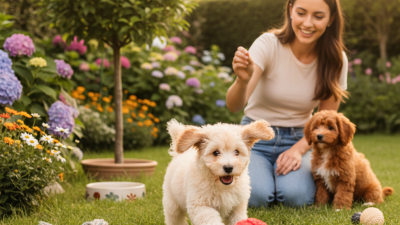
The Toy Cavoodle, a delightful crossbreed, has gained popularity for its charming personality. This breed combines traits from the Cavalier King Charles Spaniel and the Toy Poodle. Known for their small size, they typically weigh between 8 to 15 pounds. Their wavy, low-shedding coat makes them a suitable choice for allergy sufferers. Many owners find joy in their affectionate nature and eagerness to please. However, like all dogs, they require proper training and socialization.
Toy Cavoodles are playful and energetic. They thrive on companionship and often follow their owners around the house. Their intelligence shines during training sessions, but they can sometimes display a stubborn streak. This makes early and consistent training essential. Regular exercise is important too; despite their small size, they need ample opportunities to stay active and engaged.
Grooming also requires attention. Their curly fur needs to be brushed regularly to prevent matting. Some owners struggle with this upkeep due to their busy lifestyles. In short, while Toy Cavoodles make loving pets, prospective owners should ponder whether they can meet their grooming and exercise needs.
Understanding the Temperament of Toy Cavoodles
Toy Cavoodles are known for their friendly and affectionate nature. They are a mix of Cavalier King Charles Spaniels and Poodles, blending the best traits of both breeds. This hybrid design gives them a gentle disposition. They thrive on companionship and love being around people. Their intelligence is another strong trait, making them easy to train for basic commands.
However, potential buyers should be aware of their sensitivity. Toy Cavoodles can become anxious if left alone for too long. This breed requires social interaction and mental stimulation. They may develop barking habits if bored or neglected. Regular playtime and training sessions can help manage such behaviors. Understanding their temperament is crucial to ensuring a happy home for both the dog and the owner.
Though Toy Cavoodles are adaptable, some might struggle in busy environments. A calm, stable atmosphere helps them flourish. It’s essential to create a nurturing space that acknowledges their needs. Generally, their loving nature shines through, but every dog is different. Adopting one requires genuine consideration and an understanding of their unique personality traits.
Essential Care Requirements for Toy Cavoodles
Toy Cavoodles are adorable companions, but they come with specific care needs. Regular grooming is essential for their coat. Their curly fur can mat easily, requiring brushing multiple times a week. Bathing them every month helps maintain cleanliness. A professional grooming session every few months is beneficial, too. Their ears need attention to prevent infections. Clean them gently and regularly.
Nutrition plays a vital role in their health. A balanced diet is key to keeping them active and happy. Opt for high-quality dog food tailored to small breeds. Monitor their weight, as Toy Cavoodles can easily become overweight. Regular vet check-ups ensure they stay healthy. Vaccinations and parasite control are crucial. Socialization is equally important. Expose them to new experiences and other pets early on.
Exercise is necessary for their physical and mental well-being. Daily walks and playtime help burn off energy. However, they may not need as much exercise as larger breeds. Tailor their activity to their age and health. Some may require adjustments as they age. Observing their behavior can help determine appropriate activity levels. Each Toy Cavoodle is unique, so adjusting care to meet their needs is essential.
Common Health Issues in Toy Cavoodles and Prevention
Toy Cavoodles are adorable companions, but they can face several health issues. Common problems include hip dysplasia, ear infections, and dental disease. Understanding these risks helps in proactive care. Regular vet check-ups are essential for catching potential issues early.
Preventive measures can greatly benefit your Toy Cavoodle. Maintain a healthy diet rich in nutrients. Proper exercise is crucial. It not only keeps them fit but also minimizes behavioral issues. Clean their ears regularly to prevent infections. Dental care, through brushing or dental treats, can help avoid serious dental problems.
Here’s a tip: Monitor your Cavoodle's weight. Obesity can lead to further health complications. Pay attention to any changes in behavior, as these may signal discomfort or illness. Regularly assessing their health is key to a long, happy life. Your commitment can make all the difference.
Common Health Issues in Toy Cavoodles and Prevention
Choosing the Right Environment for Your Toy Cavoodle
When bringing a Toy Cavoodle home, the environment plays a crucial role in their well-being. These small dogs thrive in cozy, safe spaces. A well-prepared home includes designated sleeping areas. Soft blankets and a comfortable dog bed can help create a relaxing retreat. Many buyers overlook this simple aspect, yet it profoundly impacts a toy breed’s happiness.
A fenced yard or a secure area is essential for outdoor time. Toy Cavoodles enjoy short bursts of play. They need space to explore safely. However, be cautious of small openings where they might escape. Community parks can be great, but ensure they're dog-friendly. A leash is necessary, as Toy Cavoodles can easily get distracted.
While home comfort is vital, socialization should not be ignored. Regular interactions with people and other dogs make them well-rounded. Buyers often focus too much on toys or treats. Creating a loving and stimulating environment requires attention to their emotional needs too. A quiet environment during nighttime is necessary for their restful sleep. The balance between activity and rest is critical for their development.