Buy Toy Pom Puppies for Sale Worldwide Top Guide?
When considering the purchase of Toy Pom Puppies, it's crucial to seek expert advice. Dr. Emily Hart, a renowned breeder and canine behaviorist, emphasizes, “Finding the right Toy Pom Puppy can be life-changing for your family.” This sentiment underscores the importance of understanding these delightful companions.
Toy Pom Puppies are small, energetic, and incredibly charming. Yet, potential owners should know the commitment involved. They thrive on social interaction and require consistent training. A well-adjusted puppy can bring joy, but neglecting their needs can lead to behavior issues.
In exploring options worldwide, potential buyers face many choices. It's vital to choose reputable breeders who prioritize health and temperament. Transparency about lineage and living conditions is essential in making an informed decision. Adopting these adorable furballs brings immense happiness, yet the responsibilities must not be overlooked.
Factors to Consider When Buying Toy Pom Puppies Worldwide
When considering buying Toy Pom puppies, several factors require careful thought.
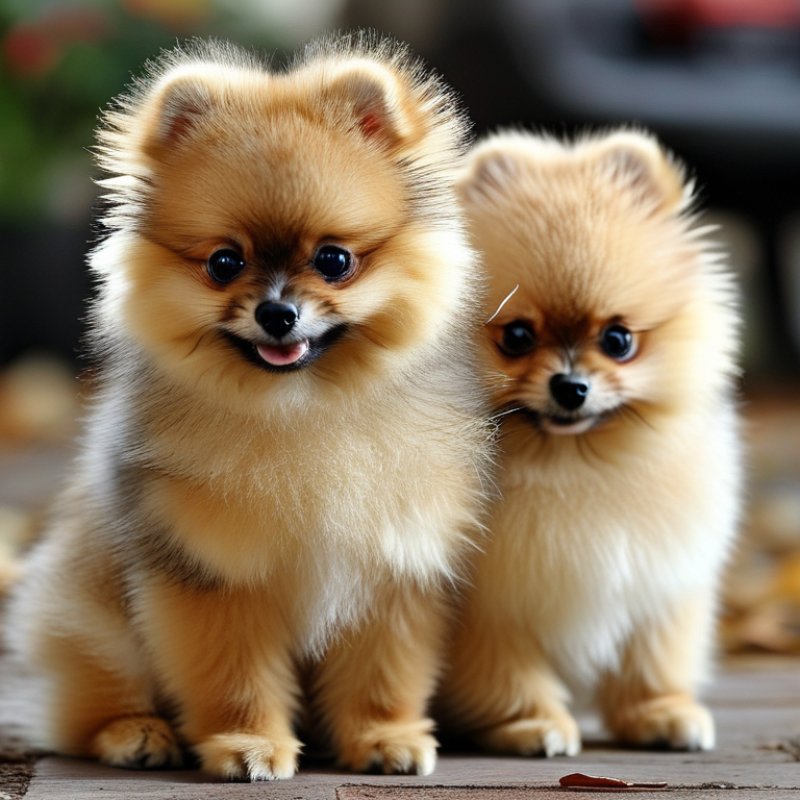
These puppies are known for their small size and charming personalities. They often weigh around 4 to 7 pounds.
Their fluffy coats need regular grooming. You'll need to commit time to keep their fur in good shape.
Health is another critical aspect. Toy Poms may face certain health issues, such as dental problems and eye conditions.
It’s essential to ask for health records from the breeder. Understanding the specific needs and potential challenges of this breed is vital.
Not all breeders maintain the same standards, so finding a reputable one can be tricky.
Socialization and training also play significant roles in raising a happy Toy Pom. These puppies can be spirited and may need guidance to behave well.
Early training helps to develop a strong bond between you and your puppy. Be ready to invest time into positive reinforcement techniques.
The joy of owning a Toy Pom comes with its set of responsibilities. Consider if you can meet these demands before making a decision.
Average Costs of Toy Pom Puppies Across Different Regions
When considering the purchase of Toy Pom puppies, it’s crucial to understand the average costs across different regions. Prices can vary significantly based on geographic location.
In North America, for instance, the price typically ranges from $1,500 to $3,000. The higher end often reflects breeding quality and lineage.
In Europe, the cost can be even steeper, with prices ranging from €1,200 to €3,500. Factors such as kennel reputation and puppy characteristics contribute to these price tags.
In Asia, it's common to find Toy Pom puppies for $1,000 to $2,500. However, buyers should be cautious of unusually low prices that could suggest poor breeding practices or health issues.
It’s important to remember that investing in a Toy Pom is not just about the purchase price. Additional costs include vaccinations, grooming, and health checks. Prospective owners should reflect on these ongoing expenses.
Creating a budget that accommodates the total cost of ownership is essential for responsible pet ownership.
Health and Care Considerations for Toy Pom Puppies
When considering the health and care of Toy Pom puppies, it's essential to prioritize their needs. Toy Pomeranians are known for their vibrant personalities and intelligence. However, they also require specific care to ensure their well-being. According to a study published in the Journal of Veterinary Behavior, small breeds like the Toy Pom tend to suffer from dental issues due to their compact mouths. Regular dental cleanings and appropriate chew toys can mitigate these problems.
Nutrition is crucial as well. High-quality puppy food helps promote proper growth and a shiny coat. The Association of American Feed Control Officials recommends a balanced diet rich in protein, fats, and essential vitamins. Overfeeding can lead to obesity, which is detrimental to this breed. Keeping meals measured supports a healthier weight.
Tips: Ensure your Toy Pom gets daily exercise, despite their small size. Short walks and playtime are vital for their mental and physical health. Monitor their socialization. Early interaction with other pets and people is beneficial for behavioral development. Regular vet check-ups will help catch any health concerns early on.
Reputable Breeders and Adoption Options for Toy Pom Puppies
When considering Toy Pom puppies, choosing a reputable breeder is crucial. According to the American Kennel Club, responsible breeders maintain high standards in breeding practices. They conduct health screenings and adhere to ethical guidelines. This ensures healthier puppies and helps prevent genetic issues. Many prefer breeders who provide health guarantees and offer a transparent background of the puppies.
Adoption is another viable option. Shelters and rescue organizations often have Toy Poms looking for homes. The American Society for the Prevention of Cruelty to Animals (ASPCA) reports that around 3.3 million dogs enter U.S. shelters each year. Many of these are purebreds like Toy Poms. Adopting a puppy not only saves a life but can also be more affordable than purchasing from breeders.
Before you decide, reflect on your lifestyle. Toy Poms require attention and care. Potential owners should ensure they have the time and resources to dedicate to these playful pups. Owning a Toy Pom can be rewarding yet challenging, prompting many to seek more information before making a commitment.
Understanding the Toy Pom Breed Standard and Characteristics
Toy Pomeranians, or Toy Poms, are a delightful breed known for their lively spirit and charming appearance. They typically weigh between 3 to 7 pounds and stand around 8 to 12 inches tall. Their fluffy double coat can come in various colors, adding to their appeal. These small dogs often have an alert, fox-like face with bright, intelligent eyes. Their playful demeanor makes them excellent companions. These traits define the Toy Pom breed standard, which emphasizes a joyful disposition and a strong bond with their owner.
However, owning a Toy Pom comes with responsibilities. They are known for their high energy levels and require regular exercise. Short daily walks and playtime in a secure area are essential. Grooming is another vital aspect; their thick coat needs attention to prevent matting. Additionally, due to their small size, they can be delicate. Buyers should reflect on their lifestyle and consider potential challenges. Not all environments are suitable for this breed, and early socialization is crucial. Understanding these characteristics will help owners provide a loving home for their Toy Pom.