The Ultimate Guide to Choosing the Best Dog Chew Tails in 2025
As we step into 2025, the pet care industry continues to evolve, bringing forward innovative products designed for the health and happiness of our beloved canine companions. Among these, Dog Chew Tails have gained significant popularity, not only as a source of entertainment but also as a means to promote dental health and reduce anxiety in dogs. According to veterinary behaviorist Dr. Lisa Smith, "Choosing the right chew can significantly influence your dog's overall well-being, providing not just a distraction, but also a way to engage their natural instincts."
Dog Chew Tails come in various forms, textures, and flavors, tailored to meet the diverse needs and preferences of pets. However, with such a wide array of options available, pet owners may find themselves overwhelmed when trying to select the best chew for their furry friend. This guide aims to simplify the decision-making process by highlighting key factors to consider, expert recommendations, and tips for ensuring a safe and enjoyable chewing experience. By equipping yourself with the right knowledge, you can make an informed choice that not only satisfies your dog's chewing desires but also contributes positively to their health.

Understanding Different Types of Dog Chew Tails Available in 2025
When it comes to selecting the best dog chew tails in 2025, understanding the different types available is crucial for ensuring your pet's health and happiness. Dog chew tails can be broadly categorized into two main types: natural and artificial. Natural chews, such as those made from animal hide or bones, are often richer in nutrients and more appealing to dogs due to their natural flavor. Reports indicate that 65% of dog owners prefer natural chews for their pets due to the perceived health benefits they provide. On the other hand, artificial chews, which can be rubber or nylon-based, often boast longer-lasting durability and can help in maintaining dental hygiene.
Tips: When choosing chew tails, it’s essential to consider your dog’s chewing habits. For aggressive chewers, look for tougher options like rubber or harder bones, while gentler chewers may enjoy softer treats. Additionally, always monitor your dog while they chew, as this will help to prevent any choking hazards or digestive issues.
Furthermore, ingredient transparency is becoming a significant factor for pet owners in 2025. Research shows that 72% of pet owners are concerned about the sourcing and quality of ingredients in their dog’s chew products. This growing demand for quality means many brands are now providing clear labeling, ensuring you can make informed choices that align with your pet's dietary needs. Always opt for products that detail their ingredients and avoid those that contain artificial additives.
The Ultimate Guide to Choosing the Best Dog Chew Tails in 2025
| Type of Dog Chew Tail |
Material |
Durability Rating |
Price Range |
Recommended For |
| Rawhide Chew |
Rawhide |
Medium |
$5 - $15 |
Medium to Large Breeds |
| Bully Stick |
Beef |
High |
$2 - $10 per stick |
All Breeds |
| Dental Chew |
Synthetic |
Medium |
$7 - $20 |
Dogs with Dental Issues |
| Nylon Chew |
Nylon |
Very High |
$8 - $25 |
Strong Chewers |
| Natural Chew |
Variety of Natural Ingredients |
Medium to High |
$5 - $30 |
All Breeds |
Evaluating Safety Standards for Dog Chew Tails and Ingredients
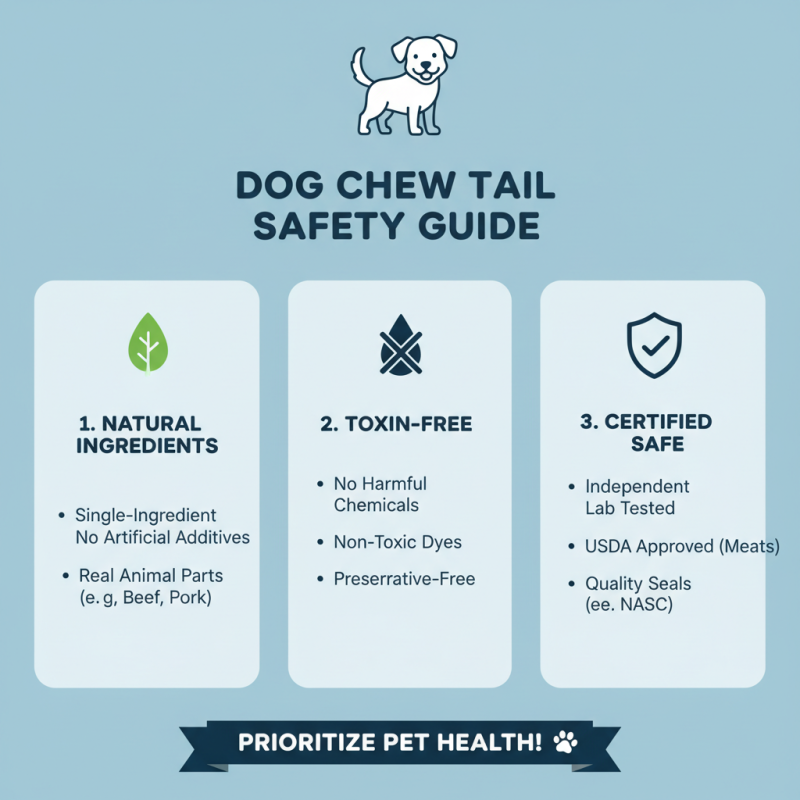
When selecting dog chew tails, safety should be the foremost consideration for pet owners. It is essential to scrutinize the materials and ingredients used in the products. Look for chew tails made from natural and high-quality ingredients to ensure they are non-toxic and free from harmful chemicals. Common safety certifications, such as those from independent testing organizations, can provide additional assurance that the products meet stringent safety standards.
In addition to materials, it is crucial to consider the physical characteristics of dog chew tails. Chews that are too hard may cause dental damage, while those that are too soft might pose a choking hazard. It’s advisable to choose products that are appropriately sized for your dog, taking into account their breed and chewing behavior. Additionally, regular supervision during chew time can help mitigate any risks, ensuring that your furry friend enjoys their chew safely while staying healthy.
Comparing Durability and Longevity of Popular Dog Chew Tails
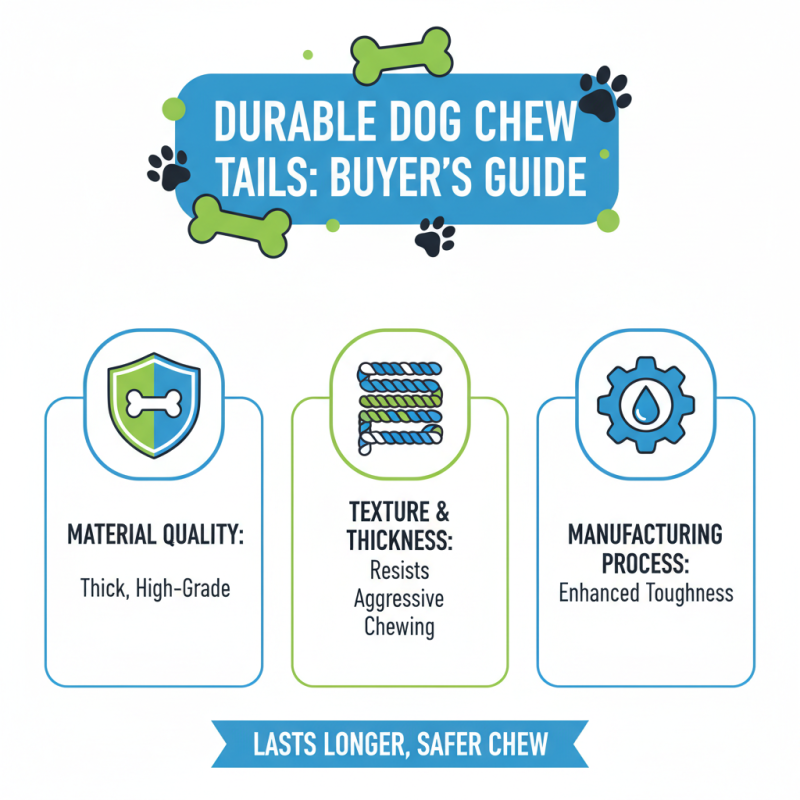
When it comes to selecting the best dog chew tails, a crucial factor that pet owners should consider is durability. Chew tails made from high-quality materials tend to withstand the relentless gnawing of enthusiastic pups. The material's thickness and texture play significant roles: thicker tails are often able to endure more aggressive chewing. Additionally, it's essential to assess the manufacturing process, as some products undergo special treatments that enhance their toughness and resistance to wear over time.
Longevity is equally important for dog owners looking to invest in chew toys that provide extended playtime. A chew tail's lifespan can depend on factors such as the dog's chewing habits and the frequency of use. For instance, dogs that love to chew may wear down softer materials more quickly than those that prefer lighter play. Therefore, examining user reviews and feedback can be invaluable in gauging how different products perform in real-life situations. Some tails might maintain their shape and texture longer, offering better value over time as well as more enjoyment for your furry friend.
Assessing Price Points: Budget-Friendly vs. Premium Dog Chew Tails
When it comes to purchasing dog chew tails, price points can significantly impact both quality and satisfaction for pet owners. Budget-friendly options tend to appeal to those who want to maintain cost-effectiveness, especially if they have multiple dogs or a limited budget. These affordable products often serve the basic purpose of providing a chewable option but may lack durability and nutritional benefits. Understanding what's crucial for your dog—be it texture, flavor, or safety—can help you decide if a budget-friendly chew tail is a sensible choice or just a temporary fix.
On the other hand, premium dog chew tails usually come with a higher price tag, reflecting their superior quality, sourcing, and manufacturing processes. These products often boast natural ingredients, enhanced flavors, and added health benefits, such as dental support or nutritional enrichment. For pet owners looking to invest in their dog's health and well-being, premium options can offer a more rewarding experience. However, assessing the individual needs of your pet versus your financial capacity is essential when making this choice. Finding the right balance between affordability and quality will ensure that you choose a dog chew tail that not only fits your budget but also satisfies your furry friend.
The Ultimate Guide to Choosing the Best Dog Chew Tails in 2025
Dog Chew Tails for Specific Breeds: Tailoring Choices for Your Pet
When selecting dog chew tails, understanding the specific needs of different breeds is crucial for both health and enjoyment. Recent studies indicate that medium and large breed dogs, such as Labrador Retrievers and German Shepherds, require more durable options due to their strong jaws and aggressive chewing habits. According to a report by the American Kennel Club, breed characteristics significantly influence chewing behavior, with larger breeds showing a preference for tougher materials that can withstand their powerful bites. It is recommended to look for chew tails made from natural sources, as they not only satisfy the dogs’ chewing instincts but also promote dental health and provide essential nutrients.
On the other hand, smaller breeds, like Poodles and Dachshunds, may require softer chew options to avoid damaging their teeth. Research published by the Journal of Veterinary Dentistry highlights that breed-specific dental health issues can arise from inappropriate chew toys. For these breeds, options made from softer, flexible materials can be beneficial, helping to prevent any potential dental injuries while still offering a satisfying chewing experience. Additionally, it’s essential to consider the dog's age and activity level, as younger dogs may need more robust chews to support their growing teeth, while seniors might benefit from softer options that accommodate their weakened jaws. Tailoring chew choices based on a dog's breed and individual needs ensures a satisfying and safe chewing experience.