Why Does My Dog Chew Its Tail and How to Stop It?
Why do dogs chew their tails? This behavior can puzzle many dog owners. Experts suggest that this might be more than just a quirky habit. Dr. Susan Smith, a renowned veterinarian, states, “Tail chewing can stem from anxiety, boredom, or even physical issues.” Understanding these factors is crucial in addressing the problem effectively.
Many dogs engage in tail chewing as a form of self-soothing. Some may find it comforting when they're stressed or anxious. Others might do it out of sheer boredom. If a dog lacks stimulation, it may turn to its tail for entertainment. Observing your pet’s body language can offer insights. Look for signs of distress or frustration.
Certain health issues can also lead to tail chewing. Skin allergies, parasites, or infections can prompt this behavior. Regular veterinary check-ups are essential. Addressing physical health can reduce tail chewing dramatically. In some cases, behavioral training might be necessary. Attention to both mental and physical well-being is vital. Remember, it’s normal to question why your dog chews its tail, but finding solutions can strengthen your bond.

Understanding the Reasons Behind Tail Chewing in Dogs
Tail chewing in dogs can be puzzling. It often stems from various underlying issues. Understanding these reasons is crucial for addressing the behavior effectively.
Some dogs chew their tails due to boredom or anxiety. They may feel under-stimulated and resort to this behavior for comfort. It’s vital to provide engaging toys and regular exercise to keep them occupied. In other instances, skin allergies or ailments can trigger tail chewing. Dogs might instinctively try to relieve itching or discomfort by gnawing on their tails. A close examination of the tail's condition can reveal important clues about their health.
Another common reason is behavioral issues or stress. Changes in the home environment can lead dogs to seek solace through tail chewing. Observing your dog during stressful situations can help identify triggers. Consider consulting a veterinarian or animal behaviorist for a professional assessment. They can offer insights tailored to your dog's specific situation.
Reasons for Tail Chewing in Dogs
Common Medical Conditions That Lead to Tail Chewing in Dogs
Tail chewing in dogs can arise from several medical conditions. One common issue is allergies. Dogs may chew their tails due to skin irritation caused by environmental allergens. According to a study published by the American Journal of Veterinary Research, about 10% of dogs suffer from skin allergies. This can lead to constant itching and, subsequently, tail chewing.
Another medical condition linked to tail chewing is parasitic infestations. Fleas and mites can create discomfort. A report from the Companion Animal Parasite Council indicates that flea infestations affect approximately 20% of dogs annually. Dogs experience severe itching, causing them to chew at their tails in response to the irritation.
Moreover, behavioral issues may stem from underlying medical problems. Anxiety or stress can lead to compulsive behaviors, including tail chewing. A survey from the Journal of Veterinary Behavior revealed that nearly 25% of pet owners reported behavioral issues stemming from anxiety. Identifying the root cause is crucial for effective treatment.
Regular veterinary check-ups can help catch these problems early. It is essential for dog owners to observe any changes in their pets' behavior closely. Understanding these aspects can significantly aid in addressing the issue of tail chewing.
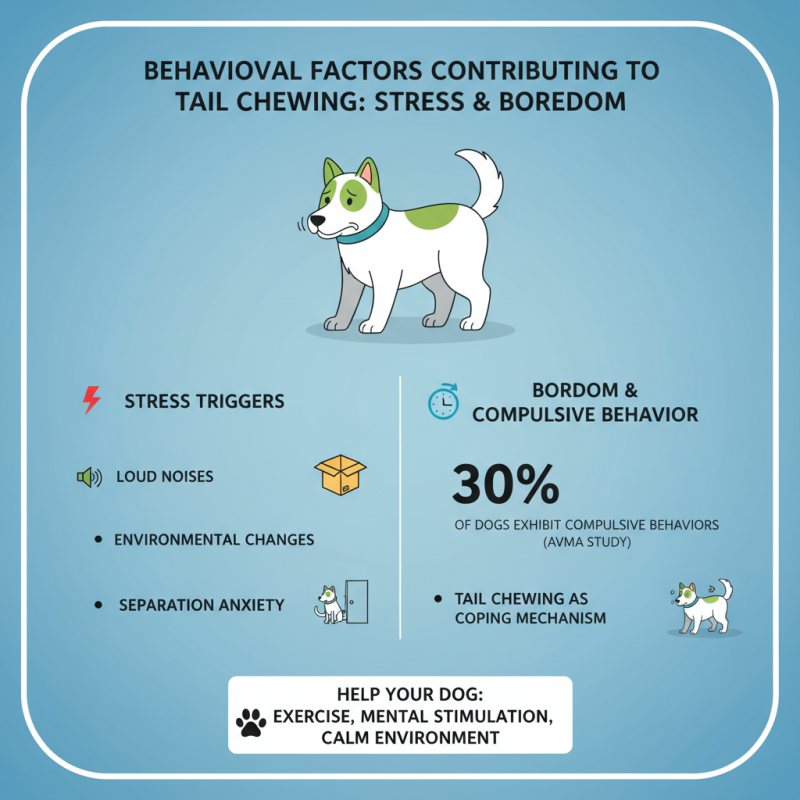
Behavioral Factors Contributing to Tail Chewing: Stress and Boredom
Tail chewing in dogs often stems from behavioral factors like stress and boredom. A study by the American Veterinary Medical Association notes that almost 30% of dogs exhibit compulsive behaviors, including tail chewing. Stress is a significant trigger. Dogs may chew their tails as a way to cope with anxiety. A loud noise, a change in environment, or separation from their owner can increase stress levels.
Boredom also plays a critical role. Many dogs need mental and physical stimulation to remain engaged. Research has shown that dogs who lack enough exercise or interactive playtime are more likely to develop chewing habits. Providing interactive toys and regular walks can help alleviate this boredom and reduce the likelihood of tail chewing.
Understanding these underlying factors is crucial. Pet owners should observe their dog's behavior patterns. If your dog tends to chew its tail more often during quiet times, it may signal boredom. Likewise, if stressors are present, addressing them can improve your dog's overall well-being. Regular playtime and environmental enrichment can offer a better outlet for their energy.
Effective Strategies to Stop Your Dog from Chewing Its Tail
Dogs may chew their tails for various reasons. One common cause is boredom. Without enough physical and mental stimulation, dogs might resort to tail chewing as a way to entertain themselves. Another reason could be anxiety. Dogs that feel stressed can develop compulsive behaviors like tail chewing. Identifying the underlying issue is essential to effectively address this behavior.
To stop your dog from chewing its tail, consider increasing their exercise routine. Regular walks, playtime, and engaging activities can reduce boredom and anxiety. Providing puzzle toys can also stimulate their mind. Training sessions focused on commands can redirect your dog’s attention. Consistency matters. Whenever you notice your dog starting to chew, gently redirect them to a more appropriate activity.
Additionally, monitor your dog for any signs of skin issues or infections. If you observe redness or irritation, consult a veterinarian. Proper grooming can also help. Keeping your dog’s tail clean and healthy reduces the likelihood of irritations that might lead to chewing. It can take time to modify this behavior, and patience is key. Each dog is unique, and understanding their individual needs will help you find the right approach.
When to Consult a Veterinarian for Tail Chewing Issues in Dogs
When dogs chew their tails, it can indicate underlying issues. Understanding when to consult a veterinarian is crucial. In a study published by the Journal of Veterinary Behavior, over 25% of dog owners reported tail chewing in their pets. This behavior can stem from boredom, anxiety, or allergies, each requiring different responses.
If your dog’s tail chewing becomes excessive or leads to skin irritation, seeking veterinary advice is vital. A vet can help identify potential medical problems, such as skin infections or parasites, which may cause discomfort. According to the American Veterinary Medical Association, behavioral issues often benefit from professional intervention. When in doubt, it’s better to consult your vet sooner rather than later.
Watching for changes in chewing patterns is important. If your dog chews its tail more frequently, it could signal stress or discomfort. Keep a log of their behavior for accurate reporting. This detail is helpful for the veterinarian. Understanding these signs can prevent long-term issues, benefiting both you and your pet.
Why Does My Dog Chew Its Tail and How to Stop It?
| Causes of Tail Chewing |
Symptoms |
Prevention Tips |
When to See a Vet |
| Boredom |
Incessant barking, licking, or biting at the tail |
Provide more exercise and mental stimulation |
If there's blood or open wounds |
| Allergies |
Redness, swelling, or irritation on the tail |
Consult your veterinarian for allergy testing |
Persistent scratching or signs of infection |
| Parasites |
Fleas, ticks, or visible worms |
Regular flea and tick prevention treatment |
If tail chewing is severe or leads to injury |
| Anxiety |
Destructive behavior and excessive barking |
Create a calm environment and consider training |
If anxiety leads to severe behavioral issues |
| Medical Conditions |
Unusual swelling or lumps around the tail area |
Regular health check-ups with your veterinarian |
If you notice any unusual physical symptoms |