Leave Your Message

How to Choose the Best Cat Kicker Toy for Your Store?

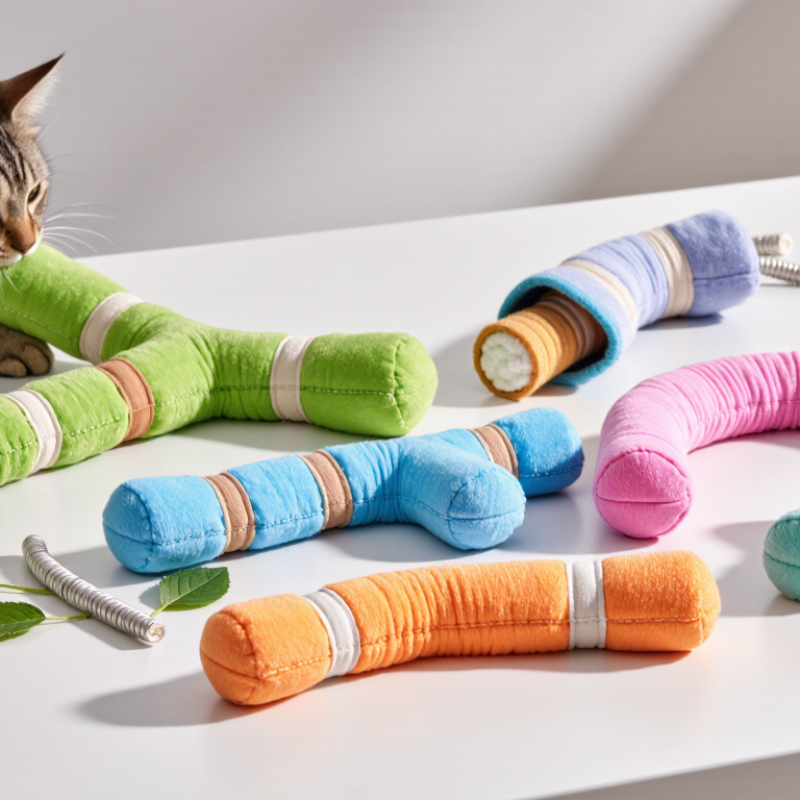
Choosing the best Cat Kicker Toy for your store requires more than attractive colors and low wholesale prices. Retailers must understand how cats play, rest, grip, bite, and release their toys. A strong product should invite kicking without creating unnecessary risks. Its size should suit different body types, while firm stitching helps withstand repeated use. Soft fabric matters too. A rough seam may irritate a cat’s paws or mouth.

Jackson Galaxy, cat behaviorist and host of My Cat From Hell, has said, “Play is the language of cats.” This idea gives retailers a practical starting point. A Cat Kicker Toy should support natural actions, including grabbing, bunny-kicking, chasing, and carrying. Stores should examine stuffing density, fabric strength, odor, washable construction, and attachment quality. Catnip or silvervine may improve interest, but not every cat responds to them. Not every cat agrees.

Product testing can reveal details that supplier photographs hide. Watch how a toy bends after repeated kicking. Check whether loose threads appear near the seams. Notice whether the toy becomes flat after several play sessions. A simple store trial with different cats can expose weaknesses early. Customer feedback also deserves attention, although reviews may reflect individual preferences rather than product quality.

This guide will explain how to compare materials, dimensions, safety features, packaging, supplier reliability, and profit potential. It will also question common assumptions. The cheapest option may become expensive after returns. The brightest design may attract shoppers but fail cats. A dependable choice balances feline engagement, practical durability, clear product information, and responsible merchandising.
How to Choose the Best Cat Kicker Toy for Your Store?

Define the Purpose and Benefits of Cat Kicker Toys

How to Choose the Best Cat Kicker Toy for Your Store?

Define the Purpose and Benefits of Cat Kicker Toys

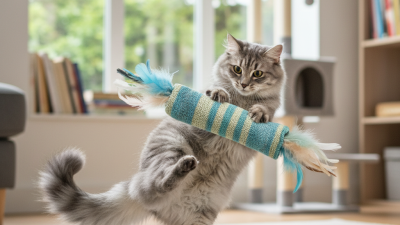
A cat kicker toy is designed for wrestling, biting, and energetic bunny-kicking behavior. It gives cats a suitable outlet for natural play at home. Many cats grab the toy with their front paws, then kick it with their back legs. This action can support daily exercise and reduce boredom during indoor play. Store buyers should consider the cat’s age, body size, and activity level before choosing products. A long toy may suit adult cats, while a smaller design may fit kittens better.

Material and construction directly affect the toy’s practical value. Strong stitching helps resist repeated kicking and biting. Soft fabric can encourage cuddling after active play. Crinkle layers or cat-safe scents may increase interest, but preferences vary widely. Avoid promising that one feature will attract every cat. It will not.

For retailers, the main benefit is clear product positioning. A kicker toy can serve active play, enrichment, and quiet comfort in one item. Select designs that are easy to inspect, store, and clean. Explain whether the toy is machine washable and check all seams before selling it. Customer feedback can reveal problems that product samples miss. In my experience, attractive shapes often sell attention, but durability earns repeat trust. I have also seen cats ignore beautifully made toys, so small trial orders are wiser than confident assumptions. Clear care instructions and supervised play guidance make the product description more reliable.
Compare Materials, Sizes, Shapes, and Filling Options

Choosing a cat kicker toy starts with material, because texture shapes both play and product safety. Cotton canvas feels firm and breathable. Plush fabric offers softness, but it can trap loose hair. Woven jute adds grip and visual interest, though some cats may find it too rough. Select tightly stitched seams and non-toxic, washable fabric. APPA’s 2023–2024 National Pet Owners Survey recorded 46.5 million U.S. cat-owning households, showing the scale of demand for practical enrichment products.

Size should match the cat, not only the shelf. A 25–35 cm toy suits many adult cats and supports full-body kicking. Smaller options fit kittens and compact apartments. Long tubes encourage stretching, while fish or cigar shapes provide a more controlled bite area. Filling also changes the experience. Organic catnip creates scent-based excitement. Silver vine may attract cats that ignore catnip. Crinkle material adds sound, but excessive noise can discourage cautious animals. A 2024 pet care market report from Euromonitor notes that owners increasingly seek enrichment products with functional benefits. That trend is useful, though store buyers should test claims carefully.

Tips: Stock two or three textures, not ten similar designs. Open one sample from each batch. Check odor, seam strength, and filling distribution. Rotate colors seasonally. I would avoid oversized toys for narrow aisles; they look impressive but sell awkwardly. Also, “natural” filling is not automatically better. Some cats simply prefer plain fabric. Track returns and customer comments for 60 days, then adjust the range.

Evaluate Safety, Durability, and Ease of Cleaning

How to Choose the Best Cat Kicker Toy for Your Store?

Safety should guide every cat kicker toy decision. Inspect the stitching around the body, tail, and attached details. Loose threads can catch claws or become chewing hazards. Choose tightly secured parts and clearly identified, non-toxic materials. Avoid toys with small bells, plastic pieces, or long cords that detach easily. A mild fabric smell may fade, but a strong chemical odor deserves investigation. Ask suppliers for material details and relevant safety test records.

Durability matters because cats bite, scratch, and drag kicker toys across rough floors. Press the seams firmly. Check whether the filling shifts into hard lumps after repeated handling. A double-stitched opening usually inspires more confidence than a decorative seam. In practice, a beautiful sample can fail quickly. I once underestimated a soft toy because its outer fabric looked thick, while the inner seam opened after several simulated play sessions. Store testing should include pulling, twisting, and repeated claw contact.

Cleaning affects customer satisfaction and product returns. Look for removable covers, secure zippers, and machine-washable fabric. The zipper should stay covered, not rub against a cat’s mouth. Test one sample through several wash and dry cycles. Watch for shrinking, loose stuffing, faded color, or trapped moisture. Not perfect every time. A washable label alone proves little. Provide clear care instructions, drying guidance, and advice to remove the toy when damage appears.

Match Toy Features With Different Cat Preferences

How to Choose the Best Cat Kicker Toy for Your Store?

Match Toy Features With Different Cat Preferences

Cats do not play in the same way. Some grab toys tightly and kick with both back legs. Others prefer gentle batting, chasing, or quiet solo play. In store testing, I have noticed that long, lightweight toys often suit energetic cats. Their shape supports full-body wrestling without feeling too heavy. A soft surface can also encourage shy cats to investigate. However, texture preferences vary. Plush fabric may attract some cats, while woven or crinkly materials may interest others.

Choose features according to the customers your store serves. For active cats, look for durable stitching, flexible filling, and a length that supports kicking. For cautious cats, select smaller toys with soft edges and mild sounds. Washable covers are useful for multi-cat homes. Strong seams matter more than decorative details. Avoid toys with loose parts, exposed stuffing, or easily detached attachments. Always check the toy regularly, because even a well-made product can wear down.

Tips: Offer several textures and sizes. Watch which toys cats approach first. Ask owners about play habits, age, and chewing strength. Keep a simple record of customer feedback. I once assumed bright colors would sell best, but many buyers preferred calmer designs. That choice was not perfect. Recheck your selection each season. Fresh observations can reveal preferences that sales numbers miss.

How to Choose the Best Cat Kicker Toy for Your Store? - Match Toy Features With Different Cat Preferences

Cat Preference or Behavior Recommended Kicker Toy Features Recommended Size and Shape Material and Texture Optional Engagement Features Safety and Care Considerations Store Priority
High-energy cats that grab and kick Long, firm body that supports holding with the front paws and kicking with the hind legs; reinforced stitching for repeated play. Approximately 30–45 cm long with a moderately wide body that is easy to grasp. Durable woven fabric or tightly constructed cotton canvas with a soft outer surface. Crinkle layerCatnip option Check seams regularly for damage. Remove loose threads and replace the toy if stuffing becomes accessible. High
Cats attracted to soft, cozy textures Plush surface with enough structure to remain easy to grip without becoming overly rigid. Medium to large tubular or animal-inspired shape; avoid very small pieces that can be swallowed. Short-pile plush, fleece, or other securely attached fabric with no detachable trim. Gentle crinkleScent-free version Choose washable materials when possible. Follow the care instructions and dry the toy completely before reuse. High
Timid or easily startled cats Lightweight, quiet kicker with a simple design and minimal sudden movement or sound. Small to medium length that can be approached, batted, and carried comfortably. Soft, non-reflective fabric with a low-profile texture. No crinkleNo electronic parts Introduce the toy gradually in a familiar area. Avoid strong fragrances and loud sound-producing components. Medium
Cats that enjoy noisy sensory play Kicker with a controlled crinkle or internal rattle that creates interest during batting and kicking. Medium length with a broad, stable center that does not roll unpredictably. Fabric should protect the internal sound layer and remain securely stitched. Crinkle paperRattle insert Inspect the toy after vigorous play. Do not sell or use it if the sound insert becomes exposed or detached. Medium
Cats responsive to catnip or herbal scents Refillable or sealed-scent design that allows the store to offer scented and unscented choices. Medium to long body with a secure closure if refillable. Breathable fabric with a securely enclosed filling compartment. Catnip fillingHerbal alternative Catnip response varies between individual cats. Keep scented fillings enclosed and store them in a dry, sealed container. High
Kittens and smaller cats Lightweight kicker that is easy to carry, bite, and kick, with flexible construction and no hard edges. Approximately 15–30 cm long, scaled to the cat’s body size. Soft, tightly woven fabric with securely attached details and minimal loose fibers. Mild crinkleSimple shape Supervise play, especially for kittens that chew fabric. Avoid small detachable parts, ribbons, and long loose cords. High
Senior or less active cats Lightweight, soft kicker that requires little effort to move and can be used for short play sessions. Short to medium length with a flexible, easy-to-grip body. Soft fleece or plush with moderate padding and no abrasive surfaces. Low-noise designGentle scent option Use on a non-slip surface and avoid overly heavy or rigid toys. Observe comfort during play. Medium
Cats that chew or bite intensely Dense construction with reinforced seams and a chew-resistant outer layer; avoid decorative attachments. Long, thick body that reduces the chance of the cat gripping a narrow section. Tightly woven canvas or heavy-duty textile with secure edge binding. Minimal designNo loose trim No fabric toy is indestructible. Inspect frequently and remove the toy immediately if it tears or exposes filling. High
Multi-cat households Several durable kickers in different textures and sound levels to reduce competition and support varied preferences. Offer a mix of medium and long sizes rather than one universal size. Combination of plush, fleece, and woven textile options. Texture varietyScent variety Provide multiple toys and rotate them regularly. Clean or replace toys that become heavily soiled or damaged. High
Merchandising note: A balanced assortment should include quiet and crinkle styles, soft and durable textures, scented and unscented options, and multiple sizes. All cat kicker toys should be used under supervision and checked routinely for wear.

Assess Pricing, Packaging, and Store Demand Before Buying

How to Choose the Best Cat Kicker Toy for Your Store?

Pricing should match your store’s customers and expected margin. Compare wholesale cost, shipping fees, and shelf price before ordering. A low price may attract buyers, but weak stitching can create returns and damage trust. Test several samples by checking seams, fabric strength, filling, and washable surfaces. I once underestimated packaging costs, and the final margin became smaller than expected.

Packaging should protect the toy and communicate its purpose quickly. Clear photos, size details, material information, and care instructions help shoppers decide. Avoid oversized boxes that waste storage space and increase freight charges. Simple packaging may look less exciting, but it can reduce costs and appeal to practical buyers. Still, my judgment can be imperfect; customer feedback should guide adjustments.

Tips: Review sales data for similar cat toys. Ask staff which shapes customers touch most often. Start with a small order before committing to large inventory. Track sell-through rates weekly, not only total sales. A kicker toy that sells well online may move slowly in a quiet store. Consider seasonality, local cat ownership, and display location. Test one product near scratching posts and another near checkout. Small changes can reveal real demand.