Best Rope Dog Training Tips for Effective Handling?
When it comes to effective dog training, the role of a "Rope Dog" cannot be understated. Renowned dog trainer John Milner emphasizes, "A well-chosen rope can transform how you communicate with your dog." His experience highlights the importance of using the right tools in training. A durable rope not only enhances control but also builds trust between handler and dog.
Training with a rope requires technique. Choosing a rope that suits your dog’s size is crucial. It should be comfortable for both you and your pet. A rope that is too short can create tension. Conversely, one that is too long may lead to confusion. Each situation demands a different approach. Reflecting on past training methods can reveal gaps in effectiveness.
Moreover, having patience is essential. Mistakes are part of the learning process, both for you and your dog. Remember, no one is perfect. Acknowledging this will lead to a more rewarding experience. Training a "Rope Dog" is not just about outcomes; it’s about the journey you embark on together. The right mindset can make all the difference.
Understanding the Importance of Rope Dog Training
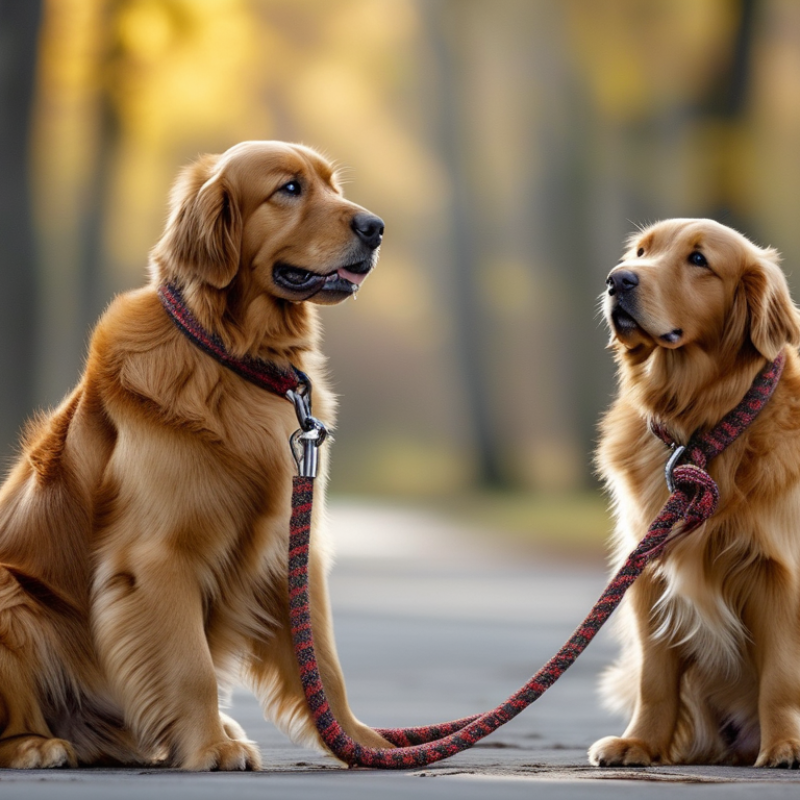
Rope dog training is vital for effective canine management. Understanding its importance can enhance the bond between dog and owner. A study from the American Kennel Club shows that 75% of dog owners believe training improves behavior. Rope training specifically promotes control and reduces anxiety in dogs.
Training with a rope helps in establishing boundaries. It enables clear communication between owners and pets. According to the Association of Professional Dog Trainers, effective leash control can reduce the likelihood of accidents by over 50%. This statistic underscores the effectiveness of using a rope for training.
However, challenges may arise. Some dogs may resist the rope, showing fear or discomfort. This suggests that owners must be attentive and patient. A one-size-fits-all approach won't work. Observing your pet’s reactions is crucial. Reflecting on what methods work best for your dog can lead to improvements in training efficacy. Being aware of these factors can help overcome obstacles in the training process.
Choosing the Right Rope for Effective Training Sessions
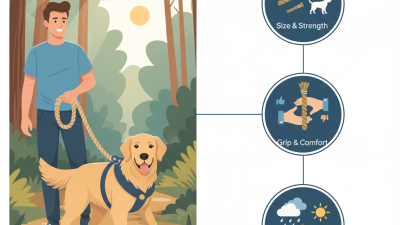
Choosing the right rope for dog training is crucial. A good rope should be durable and comfortable for both you and your dog. Consider the material carefully. Softer ropes can prevent rope burn but may not be as strong. Look for options that offer both comfort and strength.
Length matters too. A longer rope allows for more freedom of movement, while a shorter rope provides better control. Assess your training environment. If you’re in an open space, a longer rope is beneficial. In crowded areas, a shorter option helps manage your dog more effectively.
Don't overlook the weight of the rope. A lightweight rope is easier to handle, but it may not withstand heavy pulling. Test a few types to find what feels best during training. Reflect on your dog's behavior with different ropes. Sometimes, they might react better to certain textures or lengths. Adjust your choice based on these observations. The right rope can significantly enhance your training experience.
Basic Commands: Incorporating Rope into Training Techniques
Incorporating rope into dog training can enhance your sessions significantly. It helps in establishing control while teaching basic commands. Begin with simple commands like "sit" and "stay." Use the rope to guide your dog into position. For "sit," gently pull the rope down while saying the command. This creates a physical connection that can improve understanding.
Tips for effective handling: Always reward your dog after following commands correctly. Positive reinforcement is key. If your dog seems confused, don’t hesitate to adjust your approach. Sometimes, less is more. You may find that a softer touch or a step back in training is needed. Consistency is vital, but flexibility is equally important.
Engage with your dog directly. Make eye contact and use an enthusiastic tone. This builds rapport and makes training sessions more enjoyable. If your dog struggles with pulling on the rope, pause. Assess what isn’t working. It's okay to take a break. Training should be a fun journey for both of you.
Best Rope Dog Training Tips for Effective Handling
| Command |
Rope Method |
Training Tip |
| Sit |
Calm Pull Down |
Use the rope to guide your dog into a sitting position by gently pulling back while giving the command. |
| Stay |
Distance Pull |
Stand a few feet away and use the rope to remind them to stay in place if they begin to move. |
| Come |
Gentle Tug |
Use a gentle tug on the rope to encourage them to come towards you while calling their name. |
| Heel |
Leash Guidance |
Use the rope to direct your dog to walk beside you by pulling slightly towards your side. |
Techniques for Managing Leash Aggression and Distractions
Leash aggression is a common issue among dog owners. According to a study by the American Veterinary Society of Animal Behavior, nearly 60% of dog owners report difficulty managing their dog's aggressive behavior on the leash. This highlights the need for effective training techniques.
One effective approach is the "look at that" technique. When your dog shows signs of aggression, prompt them to look at the distraction instead. Reward them for remaining calm. This redirects their attention and helps build positive associations. Using high-value treats can enhance this technique, as dogs respond better when motivated by something special.
Another tip involves gradually desensitizing your dog to distractions. Start with lower-stimulation environments. Gradually expose them to busier settings. This takes time and patience. Measure your dog’s comfort level continually. You might find that your dog reacts negatively at certain thresholds. Reflect on these moments and adjust your training accordingly. Understanding your dog's triggers is essential.
Practice controlled leash walking in safe areas. Positive reinforcement can shape your dog's behavior. Regular training fosters better communication. Recognize that progress may not be linear. Every dog is unique, revealing their strengths and challenges. Be open to altering techniques as needed.
Maintaining Consistency and Patience in Rope Training
Training your dog with a rope can be effective, but it requires consistency and patience. Begin by choosing the right rope for your dog's size. A thicker rope may provide better grip. Train in a distraction-free area to help your dog focus. This initial environment can ease the learning process.
Consistency is crucial. Use the same commands and signals every time. This helps your dog associate the rope with training properly. Reinforce positive behavior with praises or treats. It builds a bond and encourages good habits. Dogs thrive on routine, making daily training essential.
Maintaining patience is vital. Some dogs may take longer to understand commands. It’s important not to show frustration. Take breaks if needed to avoid overwhelming your dog. Reflect on your training sessions. Are you being clear and consistent? Adapting your approach based on your dog's reactions will lead to better outcomes. The journey may not always be smooth, but with time, your efforts will be rewarded.