How to Choose the Best Cat Scratch Toy for Your Cat?
Choosing the right Cat Scratch Toy for your feline friend can be challenging. With so many options available, pet owners often feel overwhelmed. Dr. Lisa Miller, a renowned feline behaviorist, emphasizes, “The right scratch toy engages your cat and keeps them happy.”
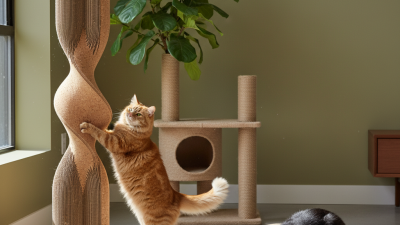
Understanding your cat's preferences is crucial. Some cats prefer vertical scratching posts, while others enjoy horizontal surfaces. Consider your home environment and available space when selecting a Cat Scratch Toy. For instance, if your cat loves to climb, a tall scratching post may be ideal. Conversely, if they enjoy sprawling out, a flat scratching pad would be better.
It’s important to note that not all cats will be drawn to every type of toy. Some may ignore expensive options in favor of simple cardboard boxes. Pay attention to how your cat interacts with various scratching toys. This can guide you in making a more informed choice. Reflecting on these preferences could enhance your cat's playtime and reduce destructive behaviors at home. Thus, finding the right Cat Scratch Toy requires patience and observation.
Understanding Your Cat's Scratching Instincts and Needs
When selecting a cat scratch toy, consider your cat's natural instincts. Cats scratch to sharpen their claws, mark territory, and stretch their muscles. Understanding these needs can help you make the right choice.
Observe your cat's behavior. Does it prefer scratching vertically or horizontally? Think about the space available in your home. A tall scratch post might work for a climber, while a flat scratch pad suits a cat that enjoys lounging. Pay attention to textures too. Some cats prefer sisal, while others favor cardboard or carpet. You might notice that your cat favors one material over another, prompting you to explore those options further.
Experiment with different products. It's possible that your cat might ignore the first toy you choose. Try mixing various designs, shapes, and sizes. Some toys may be left untouched while others become favorites. Watch and learn. Encouraging your cat to scratch is about finding the right fit. It may take time to see what engages them. Focus on what makes your cat happy, and don't hesitate to keep trying new things.
Types of Cat Scratch Toys: Choosing the Right Material and Design
When choosing a cat scratch toy, the material and design matter greatly. Cats have various preferences, and understanding these can lead to better choices. For example, sisal rope is popular for its durability and texture. Cats enjoy the resistance it provides. Alternatively, cardboard scratchers are cheaper and light. They can also be replaced easily as they wear out quickly. However, not all cats like these materials equally.
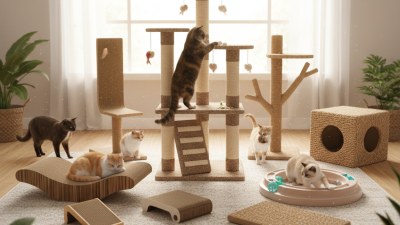
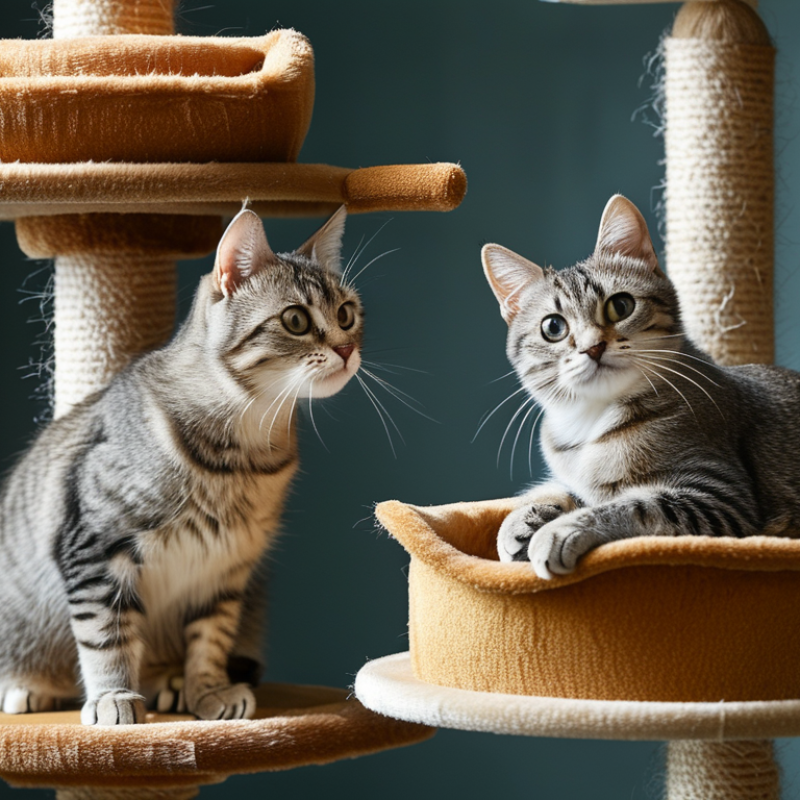
Design is another key factor. Vertical scratchers may appeal to climbing cats. They replicate natural behavior in the wild. On the other hand, horizontal scratchers are excellent for those who prefer to scratch on the floor. Some scratchers combine both designs. Cats often appreciate this versatility.
While there are many options, be mindful of your cat's unique habits. Some cats may ignore expensive toys in favor of simple solutions. This variability can be frustrating. Consider observing your cat’s scratching behavior before making a decision. Reflecting on these preferences can save time and money in the long run.
Evaluating Size and Stability for Your Cat's Scratch Toy
When choosing a scratch toy for your cat, it's crucial to evaluate size and stability. A toy that is too small may tip over easily. Cats often prefer scratching at an angle, which requires a stable base. If a scratcher wobbles, your cat may lose interest. Measure your space to ensure a good fit.
Consider the height of the scratch toy. Taller options allow cats to stretch more. This might encourage more scratching and help keep their claws healthy. Stability is key, especially for larger cats. If the toy moves or falls, it can discourage your pet from using it.
It's okay to make mistakes in choosing the right scratcher. Some toys may not meet your cat's preferences. Observe how your cat interacts with the toy. Adjustments may be needed based on your observations. Each cat is unique, and what works for one may not work for another. Pay attention to your feline friend’s needs and preferences.
Evaluating Size and Stability for Your Cat's Scratch Toy
Assessing Durability and Maintenance of Scratch Toys
When selecting a cat scratch toy, durability and maintenance are crucial factors. A recent report by the American Pet Products Association indicates that 70% of cat owners find longevity to be a top priority in scratch toys. This highlights the need for materials that withstand consistent use. Natural sisal and cardboard are popular choices due to their resilience. However, many toys fall short in maintaining their structure over time, requiring regular replacement.
Routine maintenance can be as simple as vacuuming debris or wiping down surfaces. Yet, many cat owners overlook this aspect. According to a survey by PetSmart, 40% of pet parents admit they rarely clean their cat toys. This neglect can lead to hygiene issues, making frequent cleaning a key recommendation. In addition, toys that are easy to assemble or disassemble encourage regular maintenance and better hygiene practices.
It's also important to evaluate the toy's design. Toys with multiple scratching surfaces offer variety and longevity, yet some may wear unevenly. Investing in a well-designed scratcher that promotes healthy scratching habits can save money in the long run. Finding a balance between durability and ease of care can enhance both your cat’s enjoyment and your convenience.
Considering Your Home's Space and Aesthetics for Scratch Toys
Choosing the right cat scratch toy involves more than just picking a random option from the store. Your home's space and aesthetics play a crucial role in this decision. Most cat owners prefer a stylish scratch toy that blends with their interiors. According to a study by the American Society for the Prevention of Cruelty to Animals, 70% of cat owners feel that a toy’s design influences its purchase.
When thinking about placement, consider areas where your cat feels comfortable. Visible spots encourage usage, while hidden spaces might be ignored. The toy should complement your décor without standing out awkwardly. Materials also matter. Natural materials like sisal and cardboard are popular due to their texture and look.
For cat scratch toys, consider your home’s layout. If you have limited space, opt for vertical scratchers that save floor area. Cats often scratch to mark territory, so placing the toy near their favorite lounging spots is beneficial.
Another consideration is the height of the scratch toy. According to recent surveys, cats prefer scratching objects that are about 24 inches tall. This height mimics natural behavior.
Lastly, simply have fun personalizing the toy! Add natural catnip or try a DIY project. Making adjustments over time can enhance both functionality and visual appeal in your home.
How to Choose the Best Cat Scratch Toy for Your Cat? - Considering Your Home's Space and Aesthetics for Scratch Toys
| Scratch Toy Type |
Recommended Space |
Material |
Aesthetic Integration |
Price Range |
| Vertical Scratch Post |
Small to Medium Spaces |
Carpet, Sisal |
Complementary Colors, Neutral Decor |
$30 - $80 |
| Horizontal Scratch Board |
Any Space |
Corrugated Cardboard |
Simple and Minimalistic |
$15 - $40 |
| Scratch Lounge |
Large Spaces |
Wood, Cardboard |
Modern and Stylish |
$40 - $100 |
| Wall-Mounted Scratchers |
Compact Spaces |
Sisal, Wood |
Space-Saving, Unique Designs |
$20 - $60 |
| Multi-Level Cat Trees |
Large Spaces |
Wood, Fabric |
Functionally Designed, Stylish |
$70 - $200 |