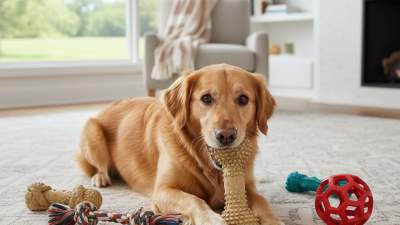
Top Great Chew Toys For Dogs You Need to Buy Now?
Dogs are more than just pets; they are beloved family members. Providing them with great chew toys is essential for their health and happiness. According to a survey by the American Pet Products Association (APPA), dog owners spend over $2.7 billion annually on dog toys. This underscores the importance of choosing the right toys that foster play, dental health, and mental stimulation.
Great chew toys for dogs serve multiple purposes. They help prevent destructive chewing and can keep your dog occupied for hours. The Veterinary Oral Health Council notes that chew toys can aid in reducing plaque and tartar buildup, promoting better oral hygiene. Yet, selecting the right materials is crucial. Not all toys are created equal, and some might pose choking hazards or contain harmful chemicals.
As dog owners, it’s vital to reflect on our choices. What works for one dog may not be ideal for another. Investing in high-quality chew toys can not only save money in the long run but also contribute to your dog’s overall well-being. A thoughtful approach ensures our canine companions enjoy their playtime safely and effectively.
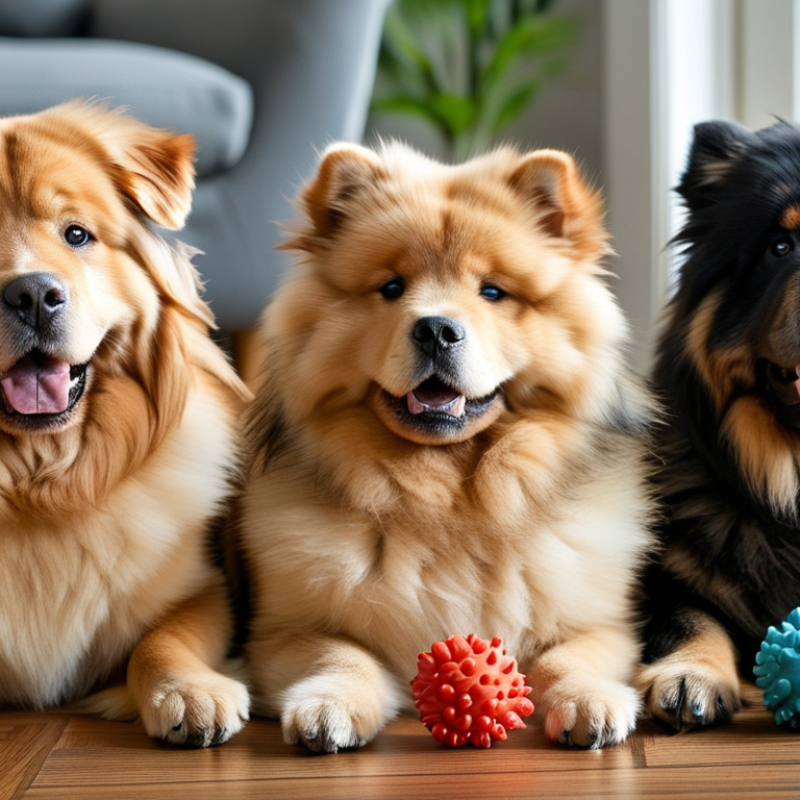
Top Chew Toys: Importance for Dogs' Dental Health and Well-Being
Chew toys play a vital role in your dog's dental health and overall well-being. Regular chewing helps reduce plaque build-up on teeth. It promotes healthier gums by stimulating blood flow. The act of chewing can also prevent boredom. This is essential for a happy, well-adjusted dog.
Choosing the right chew toy can be tricky. Look for options that are durable yet safe. Rubber toys or those made from natural materials are great choices. They can withstand your dog's vigorous chewing. Always supervise your dog with new toys to ensure safety. This way, you can quickly find out what works best.
Remember, not all toys suit every dog. Some may prefer softer options while others love a tough challenge. Observe your dog's preferences over time. This trial and error can lead to better selection. Keeping your pet engaged is important for their mental health too. A variety of toys can keep them stimulated and active.
Top Chew Toys and Their Impact on Dogs' Dental Health
Factors to Consider When Selecting the Best Chew Toys for Your Dog
Choosing the right chew toys for your dog requires careful consideration. Not all toys suit every dog's temperament. Some dogs love to chew intensely, while others prefer softer textures. It's essential to know your dog's chewing style. This awareness helps in selecting durable toys that will last.
Material is another critical factor. Natural rubber or nylon toys are often durable and safer for aggressive chewers. However, softer materials might suit puppies or older dogs with sensitive teeth. Consider your dog's size as well. A small toy for a large breed can pose choking hazards.
Lastly, observe how your dog interacts with different toys. If they lose interest quickly, seek alternatives. The joy and engagement your dog experiences are vital. Not all dogs will be satisfied with the same options. Experimentation is key in finding the optimal choice.
Popular Materials Used in Dog Chew Toys: Pros and Cons
When choosing chew toys for dogs, the material is crucial. Various materials offer distinct advantages and disadvantages. Rubber is a popular choice. It’s durable and can withstand heavy chewing. Additionally, rubber toys can be fun to toss and fetch. However, they may not be suitable for aggressive chewers, as they can wear down over time.
Another common material is nylon. Nylon toys come in various shapes and sizes. They often appeal to dogs who enjoy chewing for extended periods. Studies show that nylon can help reduce plaque and tartar buildup on teeth. Yet, some dogs might be prone to breaking off pieces, raising concerns about choking hazards. It's essential to supervise your dog while they enjoy these toys.
Lastly, fabric toys are usually softer and great for gentle chewers. They can offer comfort and companionship to your pet. However, fabric toys have a shorter lifespan and may require replacement more often. According to the American Kennel Club, a balance between durability and safety is possible. Each dog is different, making it important to assess their chewing habits before making a decision. Keep in mind that not all toys are suitable for every dog, so trial and error may play a role in your selection process.
Industry Insights: The Most Recommended Chew Toys by Veterinarians
Veterinarians recommend a variety of chew toys, focusing on safety and durability. These toys promote dental health and keep dogs entertained. Some are designed to withstand heavy chewing, while others cater to specific dog sizes. Choose a material that’s non-toxic and safe for pets.
When selecting a chew toy, consider your dog’s chewing style. Aggressive chewers need sturdier options. Softer toys may be suitable for gentle chewers. Always supervise your dog during playtime to prevent choking. Regularly inspect toys for wear and tear. Discard if they show signs of damage.
Another tip is to rotate toys regularly. This keeps your dog interested and engaged. Introduce new textures and shapes to stimulate their curiosity. Observe how your dog interacts with different toys. Reflect on their preferences to ensure they have the best experiences while chewing.
Safety Standards and Guidelines for Dog Chew Toys: What You Should Know
When choosing chew toys for your dog, safety is a top priority. Look for toys that meet safety standards. Many chew toys can contain harmful materials. Ensure they are made from non-toxic materials. Check for certifications from reputable organizations to guide your choice.
Consider these tips: Examine toys for small parts. These can be choking hazards. Avoid toys that wear down quickly, as they can splinter. Regularly inspect your dog's chew toys for any signs of damage or wear. Discard any toy with loose pieces or sharp edges immediately to prevent injuries.
Remember, not all toys are suitable for every dog. Size matters; a toy for a large dog can be dangerous for a small one. Some dogs may prefer softer toys, while others enjoy harder ones. Pay attention to your dog's chewing habits. It might take time to find the perfect fit. Stay observant and always prioritize safety in your selections.