Leave Your Message

What Are the Top Types of Big Dog Stuffed Toys?

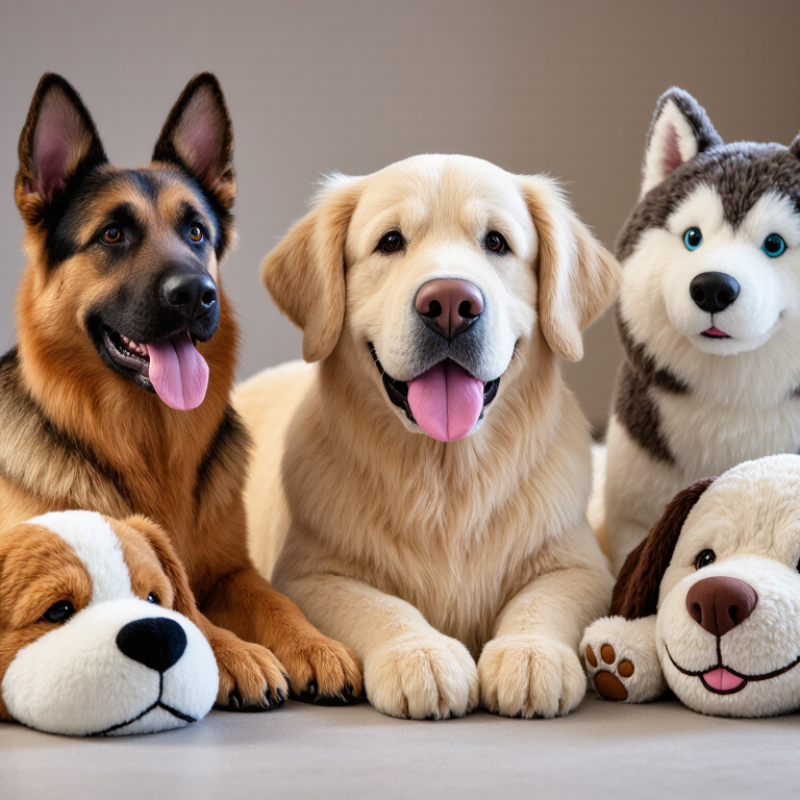
Big dog stuffed toys come in more styles than a simple breed-shaped plush. Some resemble familiar large breeds, such as German Shepherds, Golden Retrievers, or Huskies. Others are oversized, floppy companions with soft paws, broad bodies, and expressive faces. The best choice depends on the intended use, available space, and the recipient’s preferences. A realistic husky can still look a little cartoonish. That overlap is part of the fun.

This guide explores the top types of Big Dog Stuffed Toy, from lifelike breed designs to cuddly character-style dogs and extra-large pillows. It also looks at details that matter in everyday use: fabric feel, seam construction, stuffing, and care instructions. These features can affect comfort and how well a toy holds its shape, though no plush toy stays pristine forever. Check the maker’s age guidance and product information, especially when choosing a gift for a young child. For pets, use only toys specifically designed for animal play; a regular plush may not withstand chewing. Small details count. A loose seam or hard-to-clean surface can change whether a toy suits your home. The categories are not always neat, so comparing actual dimensions and materials is more useful than relying on a product name alone.
What Are the Top Types of Big Dog Stuffed Toys?

Breed-Specific Big Dog Plush: Types by Breed and Realism

Breed-specific big dog plush toys often focus on a few recognizable features. A German shepherd design may have upright ears, a dark saddle marking, and a long muzzle. Golden retriever plush toys often show floppy ears and a feathered tail. Huskies may feature a facial mask and pointed ears, while bulldog versions tend to have broad muzzles and sturdy bodies. Small details matter. These traits vary between individual dogs, so no toy captures every breed perfectly.

Realism ranges from cartoon-like shapes to lifelike replicas. Stylized plush toys use simple markings and rounded faces, making their breed easier to recognize from across a room. More realistic versions may add layered fabric, shaded fur patterns, and carefully shaped paws. Check the face and body proportions, not just the coat colors. A convincing-looking photograph can hide a toy’s actual size, and realistic details may feel less soft or cuddly. That trade-off is easy to overlook.

Tips: Compare the stated length with a familiar object, such as a sofa cushion. Look closely at ear shape, muzzle length, and tail placement. If breed accuracy matters, remember that markings and proportions can still be imperfect. A useful choice is one that feels right in person.
Jumbo Dog Stuffed Toys: Size, Shape, and Fill Categories

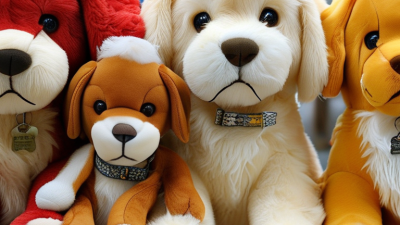
Jumbo dog stuffed toys are best compared by size, shape, and fill—not by the word “jumbo” alone. A toy roughly the length of a dog’s torso can invite carrying and cuddling, while a flatter, wide-bodied shape is easier to pin down. Long, narrow toys suit shaking and tugging, but seams and limbs may wear faster under rough play. The American Pet Products Association reported U.S. pet-industry spending of $152 billion in 2024. That figure covers the wider pet sector, not stuffed toys specifically, so it should not be read as proof of demand for any single toy type.

Fill changes the feel and the cleanup. Polyester fiberfill makes a plush toy soft and squeezable, but torn seams can expose it quickly. Foam or layered fabric can create a firmer shape; less filling can make a large toy easier to carry and store. Some toys combine materials, so check the label and inspect stitching, eyes, and attached parts. A large toy is not automatically durable. That distinction is easy to miss.

Tips: Match the toy’s size to your dog’s mouth and play style, then supervise the first session. If the outer fabric splits or filling comes out, take the toy away. I would not assume a squeaker or thick fabric makes a toy safe for every dog; chewing habits vary, and even a bulky toy can be damaged.

Realistic vs. Cartoon Dog Plush: Materials and EN 71-3 Chemical Tests

For a large dog plush, a realistic design often relies on layered fabrics: short pile for the muzzle, longer plush for floppy ears, and stitched shading around the eyes. Cartoon versions may use brighter printed patches, oversized felt features, or molded plastic noses. These details change both the feel and the materials that need checking. Soft to touch is not proof of safe chemistry.

EN 71-3 assesses whether certain elements can migrate from accessible toy materials under specified test conditions. It is not a blanket test for every chemical, and it does not assess seams, choking hazards, or durability. A careful evaluation identifies each material and color separately. A red printed paw, a black plastic nose, and a coated fabric panel may need distinct consideration. Ask for test documentation that identifies the submitted samples, test method, and results; a generic certificate can leave important questions unanswered.

Big plush toys invite close handling. Children may squeeze a fabric ear, rub a printed patch, or mouth a plastic detail. That matters. Material choices can also create trade-offs: embroidery avoids a hard eye piece, but dense stitching may feel rough or loosen if poorly made. Testing should reflect the actual finished toy, not just a fabric swatch. Even then, one detail can be missed. Check that the tested colors and components match the production version, and review physical construction alongside chemical results.

Interactive Dog Plush: Sound, Motion, and Battery-Powered Features

Interactive dog plush toys add sound and motion to the familiar softness of a large stuffed toy. A gentle squeak, crinkle, or recorded sound can encourage a dog to sniff, paw, and carry the toy. Some designs move briefly when touched, while others use a button or pull tab. These features can make play more engaging, especially indoors on a rainy afternoon. Keep the first session short. A sudden noise or twitch may startle a cautious dog.

Battery-powered toys need a closer look before play. Check that the battery compartment closes securely and cannot be reached through loose fabric or a damaged seam. Choose a toy that suits the dog’s size and play style; a heavy chewer may need a simpler, sturdier option. Supervise early play, and remove the toy if stuffing, wires, or batteries become exposed. Sounds can be entertaining, but they are not a substitute for interaction. The motion may also be less exciting than expected, and that is worth considering before buying. A quiet, soft toy might suit some dogs better.

What Are the Top Types of Big Dog Stuffed Toys? — Interactive Dog Plush: Sound, Motion, and Battery-Powered Features

Toy Type Typical Size Interactive Feature Power and Activation Best For Practical Considerations
Large squeaky plush About 30–60 cm (12–24 in); sizes vary by design Produces a squeak when squeezed or bitten Usually no batteries; a squeaker is activated by pressure Dogs that enjoy carrying, nudging, or gently chewing soft toys Check seams and squeaker placement regularly. A plush toy is not suitable for unsupervised play if the dog tears it apart or swallows pieces.
Sound-activated plush About 25–50 cm (10–20 in) Plays a sound, such as a bark, growl, or animal call, when triggered Typically battery-powered; activation may use a squeeze sensor or motion sensor Dogs interested in sound-based play and interactive cues Sound volume and trigger sensitivity differ by model. A removable battery compartment should be securely fastened and inaccessible to the dog.
Motion-activated plush About 25–45 cm (10–18 in) May wiggle, vibrate, twitch, or respond when touched or moved Usually battery-powered; some designs activate after contact and stop after a short cycle Dogs that respond to movement but prefer a soft toy over a hard electronic toy Moving parts and internal mechanisms can be damaged by vigorous chewing. Use supervised play and follow the product’s cleaning instructions.
Walking or bouncing plush About 20–40 cm (8–16 in), excluding moving parts Moves across the floor or bounces to encourage chasing Battery-powered motor; often controlled by a button or built-in motion sensor Short, supervised chase sessions on a clear, level surface These toys are generally less suitable for powerful chewers. Keep them away from stairs, water, and small children while the motor is running.
Heartbeat or calming plush About 25–45 cm (10–18 in) May produce a gentle pulsing sensation or rhythmic sound intended to provide comfort Often battery-powered; the module may be removable for washing Rest periods or settling routines when a dog enjoys soft, quiet toys Comfort features do not treat anxiety or replace training. Remove the electronic module before cleaning if the care instructions require it.
Plush tug toy with sound About 35–60 cm (14–24 in), often with reinforced fabric sections Combines tugging or carrying with a squeaker or other sound feature Usually no batteries; sound is commonly pressure-activated Interactive tug games with a person and dogs that enjoy soft, flexible toys Use controlled tugging and avoid lifting or swinging the dog. Inspect the toy for loose fabric, damaged seams, or exposed squeakers after play.

Size and safety note: Size ranges are approximate examples, not standardized measurements. Choose a toy that is large enough not to be swallowed, check the manufacturer’s care and battery instructions, and supervise play—especially with dogs that chew forcefully.

Age-Graded Dog Plush: CPSIA Rules and ASTM F963-23, Mandatory Since 2024

Large dog plush toys often look simple: floppy ears, a broad muzzle, and a soft body made for hugs. Their intended age matters. A toy designed for a toddler may need different safeguards from one intended for an older child. Age grading should reflect how children are likely to use the toy, not just the age printed on its tag.

In the United States, ASTM F963-23 became the mandatory toy safety standard on April 20, 2024, under CPSC rules. For applicable children’s products, the CPSIA also requires testing by a CPSC-accepted laboratory and a Children’s Product Certificate. Requirements can depend on the toy’s age grade, materials, and construction. A plush dog with plastic eyes, a sewn-on collar, or a sound module may need closer review than a simple, one-piece design.

Check seams, attachments, and accessible materials. Pulling and repeated washing can stress a large toy’s stitching. That detail is easy to overlook. Labels help, but they cannot make a poorly secured part safe. Age grading is not a shortcut, either; it should match foreseeable play and be supported by product testing and records. A large plush toy may feel gentle in a showroom, yet its weight and detachable details deserve a second look before the age recommendation is set.