Leave Your Message

How to Find a Reliable Toy Cavoodle Supplier

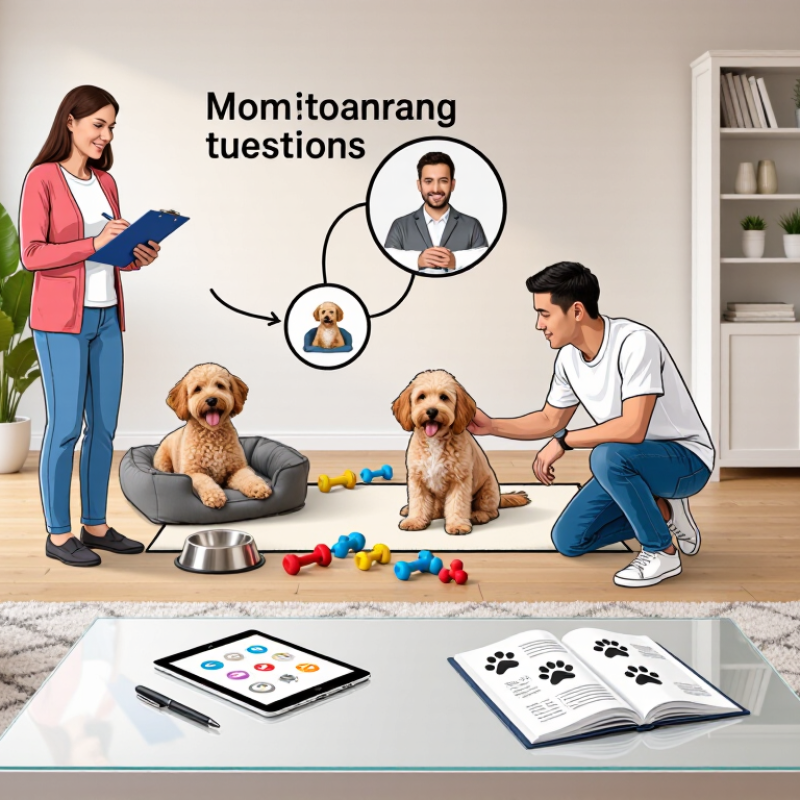
Finding a reliable Toy Cavoodle supplier takes more than liking a puppy’s photos. It means asking clear questions and checking the answers. A trustworthy supplier should explain how puppies are raised, what health checks their parent dogs have received, and what support is available after a puppy goes home. Ask to see dated veterinary records, not just a list of reassuring claims. Details matter: a clean sleeping area, curious puppies, and a calm conversation about daily care can tell you more than polished advertising.

This guide outlines practical ways to assess suppliers, compare health information, and spot pressure tactics. It also explains why promises about adult size, coat type, or temperament deserve careful scrutiny; puppies can vary, even within the same litter. If possible, speak with the supplier by video or arrange a visit, and ask how they match puppies with households. A responsible supplier should welcome reasonable questions and give you time to decide. No checklist is perfect. I would still pause if answers feel vague, records are withheld, or payment is rushed. Independent advice from a veterinarian can help you evaluate health documents and plan for ongoing care. Choosing carefully cannot remove every uncertainty, but it can help you make a better-informed decision for both your household and the dog.
How to Find a Reliable Toy Cavoodle Supplier

Define Your Toy Cavoodle Needs and Supplier Criteria

How to Find a Reliable Toy Cavoodle Supplier

Define Your Toy Cavoodle Needs and Supplier Criteria

Before contacting suppliers, decide what “toy” means to you. Ask for the puppy’s expected adult size, but treat estimates as estimates; parent size does not guarantee a precise outcome. Consider your home, daily schedule, and tolerance for regular coat brushing. A curly coat can mat quickly, especially behind the ears and under a collar. Temperament matters, too. Describe the household honestly, including children, other pets, and time spent away.

Set health standards before comparing photographs or prices. A 2013 Journal of the American Veterinary Medical Association study examined 27,254 dogs and 24 inherited disorders. Thirteen disorders showed no significant difference between mixed-breed and purebred dogs. A crossbreed label alone is not proof of lower health risk. Ask which health checks were completed for both parent breeds, and request dated results and veterinary records. Ask for records. Be wary of vague assurances such as “all healthy.”

Your criteria should include how puppies are raised and how questions are handled. Request a live video or visit to see clean bedding, fresh water, and calm, curious puppies. Ask how the supplier introduces everyday sounds and people. Get feeding details, vaccination records, and a written agreement before making a decision. Even a careful checklist has limits; I might still overlook something. That is why clear answers and verifiable records matter more than a polished listing.

Research Suppliers and Verify Their Credentials

When assessing a toy Cavoodle supplier, verify who they are before discussing a deposit. Ask for their full business name, physical location, and any required local breeding or trading registration. Check registration directly with the issuing authority; a logo on a website is not verification. Paperwork matters. Request dated veterinary records, vaccination details, microchip information, and health-screening results for both parent dogs. Ask which tests were performed, who completed them, and how you can confirm the results independently.

Health claims deserve careful scrutiny. A 2020 Royal Veterinary College VetCompass study examined 9,402 Poodle-cross dogs. In 57 of 66 disorder comparisons, researchers found no significant difference from parent breeds. The study pooled several crossbreeds, so it does not establish Cavoodle-specific risks. Ask the supplier to explain what the results mean for the puppy’s parents, rather than relying on broad promises. A polished certificate is reassuring, but not proof by itself.

Request a live video call showing the puppy with its mother, the sleeping area, and a recent date marker. Check that the puppy’s name and records match across documents. Ask for a written agreement covering health history, after-sale support, and what happens if a vet identifies a serious concern. Speak with the named veterinary clinic, with the supplier’s permission. Notice evasions. I would still pause if answers feel rushed, even when every document looks tidy.

How to Find a Reliable Toy Cavoodle Supplier

Research suppliers and verify their credentials before making a decision. This checklist shows one type of evidence to review in each category; it is not a rating of any supplier.

Ask to see relevant records and confirm them with the issuing vet, registry, or local authority where possible. Breeder registration or licensing requirements vary by location.

Assess Puppy Health, Breeding Practices, and Living Conditions

Finding a reliable Toy Cavoodle supplier means checking evidence, not just a charming puppy photo. Ask for veterinary records and screening results for both parents, including checks relevant to Cavalier King Charles Spaniels and Poodles. Confirm that a veterinarian has examined the puppy, and ask about vaccinations, parasite treatment, and any known health concerns. A receipt alone proves little. Look closely.

The Royal Veterinary College’s 2024 VetCompass study found that 86.6% of comparisons across three popular designer crossbreeds showed no significant health difference from their parent breeds. That is a useful reality check: a crossbreed label does not guarantee better health. Ask how often the parents are bred, whether the mother can be seen with her litter, and what socialisation the puppies receive. The space should be clean, dry, and calm, with fresh water and room to move. Notice smells, dirty bedding, or puppies that seem unusually withdrawn. A spotless visit is reassuring, but it cannot verify every claim.

Tips: Ask to see original, dated health documents and the puppy’s living area. Meet the litter where it was raised. Take notes, and let a trusted veterinarian review records before you commit. No checklist catches everything.

Review Health Records, Contracts, and Ongoing Support

How to Find a Reliable Toy Cavoodle Supplier

Review Health Records, Contracts, and Ongoing Support

Ask to see the puppy’s veterinary records before making a commitment. Check that dates, treatments, and identifying details match the puppy you meet. Ask which health screenings were completed for the parent dogs, and request the results rather than relying on verbal assurances. A veterinarian can help explain unfamiliar test names. Small details matter.

Read the contract slowly, including the less comfortable sections. It should clearly describe the puppy’s health at transfer, any health guarantee, payment terms, and what support is available if a serious concern arises. Ask what the contract does not cover, too. Vague promises are hard to rely on later. A neat document can feel reassuring, but it does not prove that every claim has been independently checked.

Ongoing support gives you a sense of how the supplier handles questions after the puppy goes home. Ask who to contact about feeding changes, settling in, or a health concern, and how quickly they usually respond. Find out whether they provide familiar food details and a transition plan. Notice whether answers are specific or rushed. I might still feel uncertain after one visit; that is a reason to pause, not to ignore the records.

Compare Your Findings Before Choosing a Supplier

Compare your findings side by side, not from memory. Ask each Toy Cavoodle supplier for veterinary records, vaccination details, and relevant health-screening information for the parent dogs. Check whether names, dates, and clinic details are consistent, and ask your own veterinarian what the records mean. Clear answers matter. So does a willingness to explain what has not been tested.

Look beyond photographs and price. Ask to see where the puppies spend time, how they meet ordinary household sounds, and whether you can observe them with their mother. Note whether the area looks clean, dry, and calm. Compare written terms about health concerns, veterinary visits, and support after the puppy goes home. Small details matter. A supplier who pressures you to pay quickly or avoids reasonable questions deserves caution. Still, one awkward answer is not proof of poor care; people communicate differently. I would compare the whole picture, including how carefully each supplier follows up, before deciding.

How to Find a Reliable Toy Cavoodle Supplier — Compare Your Findings Before Choosing a Supplier
Comparison dimension What to check Supplier A Supplier B Supplier C
Parent dogs and breeding details Ask to meet the mother and learn about both parent dogs, their ages, temperaments, and breeding history. A “Toy Cavoodle” is a cross between a Cavalier King Charles Spaniel and a Poodle; adult size can vary and is not guaranteed by the label. Record details and evidence Record details and evidence Record details and evidence
Breed-relevant health screening Request dated records and clarify which parent was tested. Relevant checks may include cardiac screening for Cavalier King Charles Spaniels and appropriate eye, patella, and inherited-disease testing for the Poodle variety involved. Ask a veterinarian what is suitable for the specific parents. Tests, dates, and documents Tests, dates, and documents Tests, dates, and documents
Puppy veterinary records Check for an individual veterinary examination record, vaccination and parasite-treatment history, and clear information about any health concerns. Confirm what follow-up care is recommended. Records provided? Records provided? Records provided?
Age and readiness to leave Confirm the puppy’s date of birth and the legal minimum age for transfer where you live. The puppy should be assessed as ready to leave, and should not be transferred earlier than local law permits. Age and local-rule check Age and local-rule check Age and local-rule check
Living conditions and socialization Ask to see where the puppies are raised and how they are gently introduced to everyday household sounds, handling, people, and age-appropriate experiences. Look for clean surroundings and puppies that appear alert and comfortable. Visit or live video notes Visit or live video notes Visit or live video notes
Transparency and communication Notice whether questions are answered clearly, records can be verified, and limitations are explained honestly. Be cautious if a supplier refuses reasonable questions or pressures you to pay immediately. Questions answered? Questions answered? Questions answered?
Written agreement and support Review the written terms before paying. Check the health provisions, return or rehoming policy, responsibilities of each party, and whether ongoing guidance is available. Understand the terms rather than relying on verbal promises. Terms reviewed Terms reviewed Terms reviewed
Payments and documentation Request a written receipt and clear payment terms. Verify the supplier’s identity and avoid sending money through methods that offer no meaningful protection or traceability. Payment and records checked Payment and records checked Payment and records checked
Overall assessment Compare the quality and verifiability of evidence, not just the advertised size, photographs, or price. Follow up with a veterinarian if health records or screening claims are unclear. Strengths / concerns Strengths / concerns Strengths / concerns
Comparison note: “Toy” is a size description, not a guarantee of an adult dog’s exact weight or height. Health tests and legal requirements vary; verify records and local rules before making a decision.