What Are the Top Types of Plush Dog Toys in 2026?
Plush Dog Toys remain popular because they offer softness, sound, and simple ways to keep dogs engaged. In 2026, the best options depend less on trends than on a dog’s size, chewing habits, and play style. A small squeaky fox may suit a gentle indoor player, while a crinkle toy can interest a curious puppy. Some dogs prefer plush toys with ropes or hidden pockets for treats. Others want a soft companion to carry from room to room. Small details matter.
This guide explores the leading types, including squeaky, crinkle, interactive, comfort, and reinforced plush toys. It also explains what their features can—and cannot—do. A squeaker may encourage play, but it does not make a toy suitable for every dog. Reinforced seams can help, yet no plush toy is truly indestructible. That deserves a little honesty. Check stitching, fabric, and loose parts before play, and supervise dogs that tend to tear or swallow toy pieces. Replace damaged toys promptly. Fit matters, too: a toy should be easy to carry without becoming a choking risk. These practical checks are not exciting, but they can make choosing easier. The right toy is not always the most elaborate one; it is the one that suits your dog and holds up to real use.
How Plush Dog Toys Are Grouped by Design and Play Style
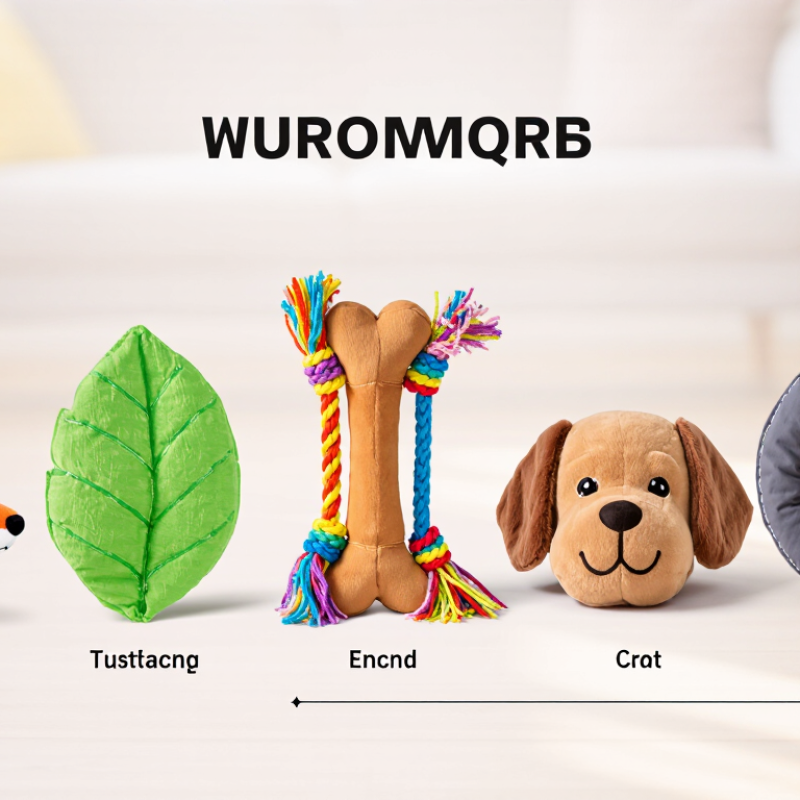
Plush dog toys are easier to compare by design and play style than by a single “best” label. Classic stuffed toys have soft bodies and simple shapes for carrying, cuddling, or gentle mouthing. Long, floppy designs give some dogs an easier grip for shaking. They may be a poor match for dogs that quickly pull at seams.
Squeaker and crinkle toys add sound to a soft design. A squeaker can encourage lively play, while crinkle fabric makes a rustling sound. Not every dog agrees. Some ignore these features; others become excited and need closer supervision. Check stitching and exposed parts regularly, especially after vigorous chewing.
Interactive plush designs include hide-and-seek toys with smaller pieces tucked inside, as well as soft tug toys with handles. These suit searching, carrying, or brief shared play. Small pieces can go missing, and plush toys are not indestructible. Match the toy’s size and construction to your dog’s habits, and remove it if stuffing or parts become exposed. A slightly awkward fit can matter more than a clever feature.
What Are the Top Types of Plush Dog Toys in 2026?
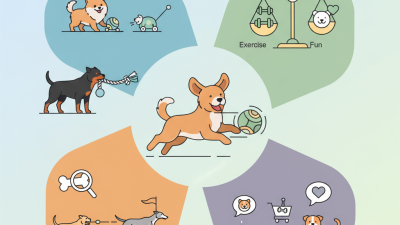
How plush dog toys are grouped by design and play style
Ratings are qualitative design-based comparisons on a 1–5 scale, not sales figures or results from a consumer survey. A toy’s suitability depends on the individual dog; supervise play and replace damaged toys.
Classic Stuffed Plush Toys for Comfort and Gentle Play
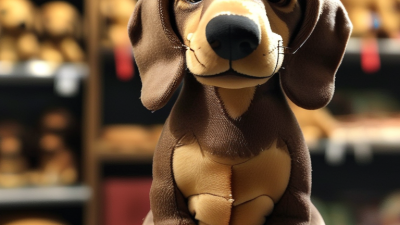
Classic stuffed plush toys remain a familiar choice for comfort and gentle play. Their soft fabric gives dogs something pleasant to carry, cuddle, or nose around with. A small plush animal can rest beside a dog’s bed, while a larger one may suit a dog that likes to hug toys. Soft ears and floppy legs are easy to grab. Simple details often work best.
For quiet play, look for a toy with secure stitching and fabric that feels sturdy, not paper-thin. Match its size to your dog: tiny parts can be tempting to chew, while an oversized toy may be awkward to carry. Some plush toys include crinkly material or a squeaker, but extra noise does not suit every dog. Watch how your dog handles a new toy. A gentle carrier and a determined chewer need different options.
Check seams and fabric regularly, especially after energetic play. Remove a toy if stuffing or small components become accessible. Plush toys are not indestructible. That matters. Even a well-made toy can wear out faster than expected, and frequent washing may loosen seams over time. Follow care instructions when available, then let the toy dry fully before returning it. It is easy to assume “soft” means suitable for every dog; it does not. Choose based on observed play habits, and reassess when those habits change.
Squeaky and Crinkle Plush Toys for Sound-Based Play
Squeaky and crinkle plush toys bring sound into everyday play. A gentle squeeze may invite a curious dog to nudge, paw, or carry the toy across the room. Crinkle fabric makes a softer rustle, which can suit dogs that enjoy sound but startle at sharp squeaks. Some dogs prefer quiet. Watch your dog’s response, since excitement can quickly turn into rough chewing.
Tips: Choose a toy sized for your dog, with securely attached parts and stitching that suits their chewing style. Introduce it during a short, supervised play session. If seams split or stuffing becomes exposed, put the toy away. Check it again after play; small tears can be easy to miss.
Sound is not a measure of quality. A louder squeaker may be distracting, while a subtle crinkle may hold a dog’s interest longer. Try one sound at a time and notice whether your dog stays relaxed and engaged. I’d avoid assuming louder means better; that is an easy mistake. Plush toys are best for interactive play, not every dog’s unsupervised chewing.
Reinforced Plush Toys for Tugging and Rougher Play
Reinforced plush toys are made for dogs that like to grab, tug, and shake soft toys. Look for dense outer fabric, securely stitched seams, and reinforced areas where a dog is likely to pull. Some toys include a rope or webbing inside the plush layers, giving tugging teeth more structure to grip. Check how those parts are attached; exposed loops or loose strips can become tempting chewing targets.
Tougher stitching can help a toy last longer, but it cannot make plush indestructible. Not even close. Match the toy’s size to your dog, and keep tugging gentle rather than jerking the neck or lifting the dog off the ground. During play, watch for popped seams, loose threads, or stuffing showing through. Remove the toy if damage creates pieces your dog could swallow. Check it often. A quick inspection after play is easy to forget, especially when the toy still looks mostly intact. Dogs also have different play styles: a careful tugger may keep a reinforced toy for weeks, while a determined chewer may open it quickly.
Interactive Plush Toys with Hidden Pockets and Treats
Interactive plush toys with hidden pockets turn a soft toy into a simple sniff-and-search game. A pocket can hold a few pieces of the dog’s usual kibble, tucked beneath a loose fabric flap. The dog noses, paws, and works the flap open. Keep the first round easy. If the pocket is too deep, the game can become frustrating rather than engaging.
The American Pet Products Association’s 2023–2024 National Pet Owners Survey estimates that 65.1 million U.S. households own dogs. Its 2024 industry report puts total U.S. pet spending at $152 billion. These figures describe a broad market, not plush-toy sales, but they show the scale of interest in dog care. A useful toy still needs thoughtful design: stitched pockets should be easy to inspect, seams should resist tugging, and small detachable parts should be avoided. Supervise play, especially with dogs that chew fabric. Remove the toy if stuffing or torn seams appear. A small detail. Dogs vary, too; some enjoy searching, while others lose interest after one try. That is worth considering before choosing a toy with several hidden compartments.