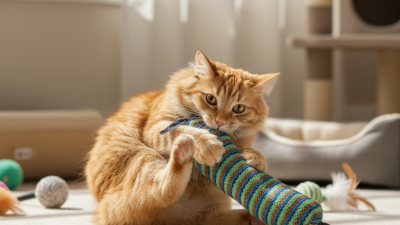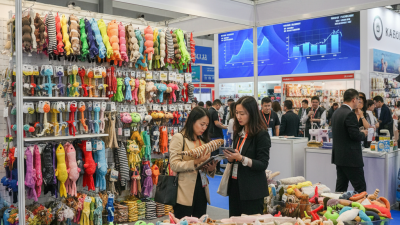
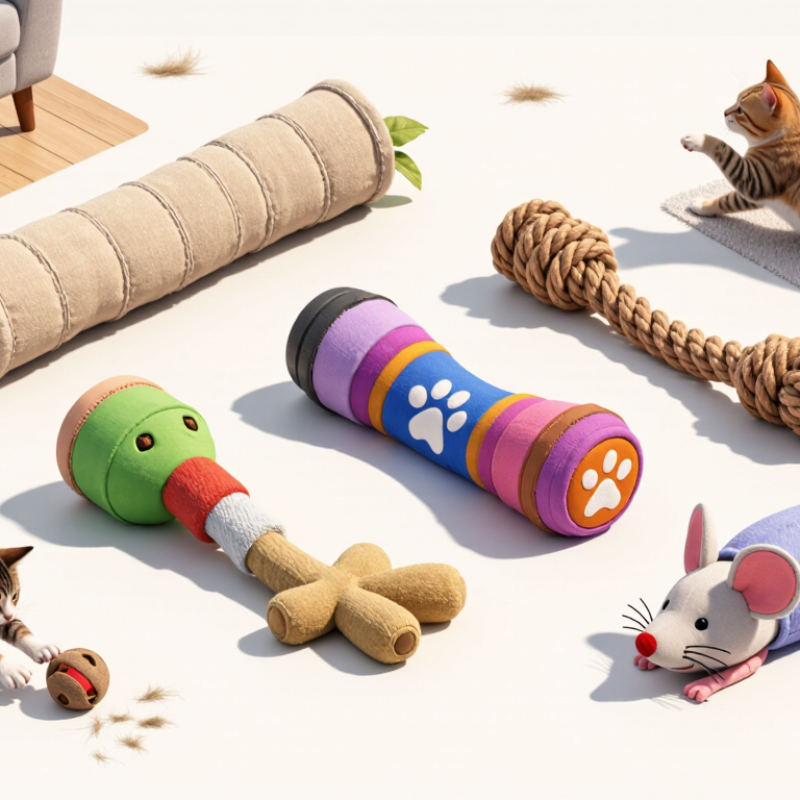
A good cat kicker toy should fit the cat, not the product shelf. The APPA 2024 State of the Industry report estimated U.S. pet spending at $152.2 billion, showing how much choice owners now face. More choice can create confusion. Start with size: the toy should be longer than the cat’s body, yet light enough for easy kicking. It must not fit fully inside the mouth. Small parts are a serious warning.
Choose a firm, tube-like shape for cats that bunny-kick with both back legs. A softer, flatter shape may suit older cats or cautious players. Check the material closely. Tightly woven fabric, reinforced seams, and securely stitched ends are better than loose fleece. Avoid brittle fillings, exposed threads, bells, or decorations that can detach. Washable covers matter, especially in homes with several cats. They also make inspection easier.
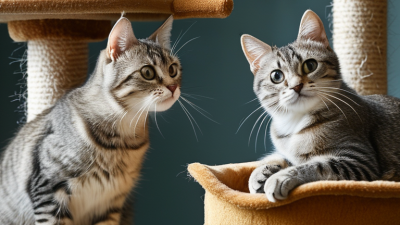
The 2023–2024 APPA National Pet Owners Survey reported that about 46.5 million U.S. households owned cats. That broad population has very different play styles. Watch the cat’s body language, not just the toy’s appearance. A relaxed grip suggests a good match; frantic biting may signal overstimulation. My practical mistake was choosing a thick toy for a small cat. It looked durable, but she could not hold it comfortably. Measure the toy against the cat’s chest and front legs. Replace it when seams open, even if the cat still loves it. Kicker toys need supervision. Always.