How to Choose the Best Rope Dog Toy?
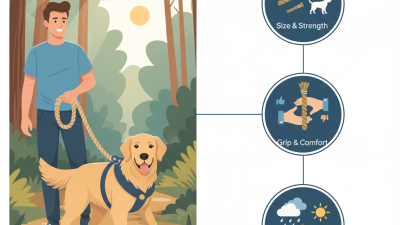
Choosing the best Rope Dog toy is not simply a matter of picking the thickest rope or brightest color. A suitable toy should match your dog’s size, bite strength, play habits, and ability to destroy materials. A small puppy may need a soft, flexible weave, while a powerful adult chewer needs thicker fibers and secure knots. Even then, no rope toy is indestructible.
Veterinary behaviorist Dr. Lisa Radosta offers a useful principle: “A toy should be fun, but it should also fit the dog’s chewing style and supervision needs.” That advice keeps the decision practical. Look closely at the rope’s texture, stitching, knot security, and loose strands. Run your fingers along the surface. If fibers already lift from the weave, choose another toy. Frayed threads can become a swallowing risk, especially during enthusiastic tugging.
Watch the first play session carefully. Does your dog chew calmly, shake the toy, or tear it apart within minutes? This detail matters more than advertising claims. A Rope Dog toy that survives one dog may fail quickly with another. I have learned that durability is not a permanent label; it changes with moisture, chewing pressure, and repeated washing.
Size deserves attention, too. The toy should be large enough to prevent accidental swallowing, but not so heavy that it strains your dog’s neck. Natural fibers may feel appealing, yet they still require regular inspection. Replace the toy when knots loosen, strands gather, or pieces disappear. The safest choice is not always the most expensive one. It is the one you can inspect, supervise, and replace responsibly.
Understanding Your Dog’s Rope Toy Needs
Choosing the best rope dog toy starts with understanding your dog’s daily needs, not the toy’s appearance. The American Pet Products Association’s 2023–2024 National Pet Owners Survey reports that about 65 million U.S. households own dogs. That broad population includes powerful chewers, gentle puppies, anxious adults, and senior dogs with sensitive teeth. One rope cannot suit every mouth.
Watch how your dog plays. A young dog may need a soft, flexible rope for supervised tugging and chewing. A strong chewer needs tightly woven fibers and large knots that resist quick unraveling. For an older dog, choose a softer texture and avoid stiff strands that may irritate gums. The American Veterinary Medical Association warns that damaged toys can create choking or intestinal risks, so inspect the rope before and after play. Loose threads matter.
Size is equally important.
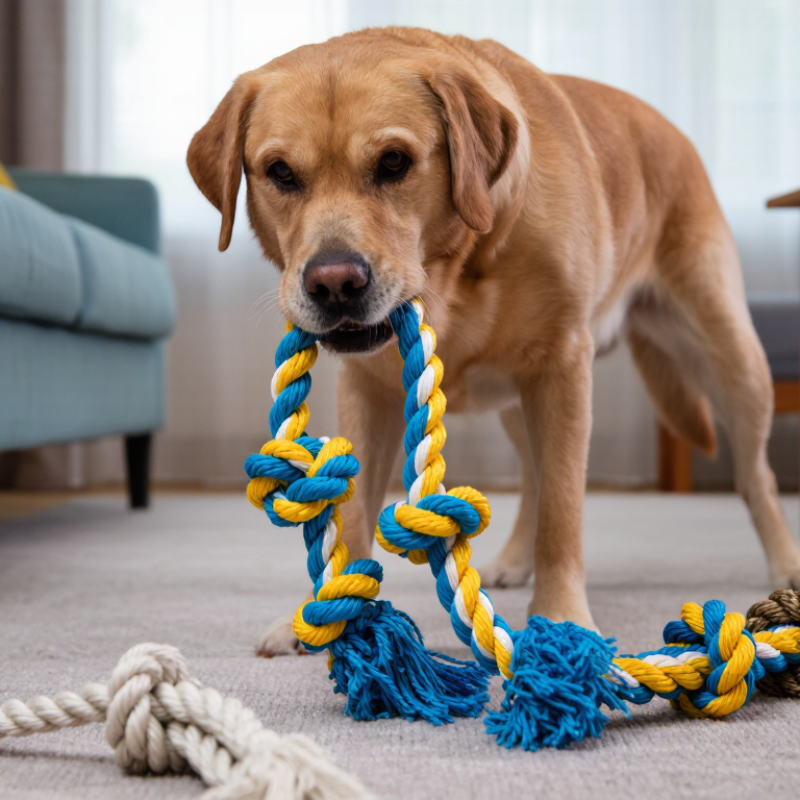
The rope should be longer than your dog’s mouth, reducing accidental hand contact during tug games. It should also be too large to swallow. A practical test is simple: bend the rope slightly and check for splitting, sharp fibers, or hidden breaks. Replace it when damage appears. I would not rely on a “nearly indestructible” claim; no toy is truly indestructible. Water, saliva, and repeated pulling can weaken materials faster than expected. Supervised play remains necessary, even with a well-made rope.
Matching Toy Features to Your Dog’s Play Style
Choosing a rope dog toy starts with your dog’s play style, not its color or shape. A powerful tugger needs a thick, tightly braided rope with comfortable handles. A fetch-focused dog may prefer a lighter rope with one clear grip. Smaller dogs need manageable knots that do not strain their jaws. Large dogs need substantial diameter, but oversized toys can still frustrate them.
The American Pet Products Association’s 2023–2024 National Pet Owners Survey reports 65.1 million U.S. households own a dog. That scale matters because “one toy fits all” is poor advice. PDSA’s 2024 Animal Wellbeing Report also links play with exercise, enrichment, and positive interaction. For dogs that shred everything, choose tightly woven fibers and supervise every session. Rope is not indestructible. Loose strands can become a swallowing hazard.
I used to value durability above comfort. That was too simple. A rigid rope may survive longer, yet a sensitive dog may avoid it. Watch the details: Does your dog pull, carry, chase, or quietly mouth the toy? Replace it when threads separate, knots loosen, or the rope smells unusual after washing. Keep tugging controlled, especially with puppies and dogs showing dental pain. A short play session can reveal more than a long product description.
Checking Durability, Chew Resistance, and Construction Quality
When choosing a rope dog toy, examine durability before appearance. A strong toy should feel dense, balanced, and firmly twisted. Loose strands often reveal weak construction. Pull the rope gently and inspect every knot. It should resist movement without sharp fibers sticking out. Small frays matter.
Chew resistance depends on your dog’s size, bite strength, and chewing habits. A toy that survives one dog may fail quickly with another. I once trusted a thick rope because it looked nearly indestructible. That shortcut was wrong. My dog opened the outer fibers within days. Check for tightly woven cotton or other pet-safe materials, but avoid assuming thickness guarantees safety. No rope toy is truly indestructible.
Construction quality also includes stitching, knot placement, and handle design. Reinforced ends can reduce unraveling, while compact knots may prevent early separation. However, very hard knots can damage teeth if your dog bites aggressively. Professional pet-care guidance recommends supervised play and regular inspection. Watch the edges. Replace the toy when strands become long, loose, or easy to pull free. Never allow your dog to swallow detached fibers. Rotate toys to reduce daily wear, and examine them under bright light after active chewing. Even careful owners can miss hidden damage inside a tight knot.
Using and Maintaining Rope Toys Safely
A rope dog toy can be enjoyable, but safe use depends on regular attention. Choose a toy that matches your dog’s size, bite strength, and play style. A small toy may become a choking hazard for a large dog. Thick, tightly woven fibers usually withstand more pulling, but no rope lasts forever.
Stay nearby.
During play, check for loose threads, broken knots, and damp, unpleasant smells. My experience is that damage often begins at the ends, especially after repeated tugging. I once waited too long to replace a frayed toy because it still looked usable. That was a poor judgment. If your dog pulls off fibers, stop the game and remove the toy. Contact a veterinarian promptly if your dog swallows a noticeable amount of material.
Wash the rope according to its care instructions, using clean water and a mild, pet-safe cleanser when appropriate. Rinse it thoroughly, then let it dry completely in a well-ventilated place. Keep it dry. Moisture trapped inside thick fibers can encourage bacterial growth and unpleasant odors. Do not share a rope between dogs without cleaning it, particularly when one dog is ill. Store the toy away from heat, sharp objects, and unsupervised access. Inspect it before every session, even if it looked fine yesterday. Replace it when threads separate, knots loosen, or the rope becomes too short to hold safely.