Leave Your Message

How to Choose Top Rated Dog Chew Toys?

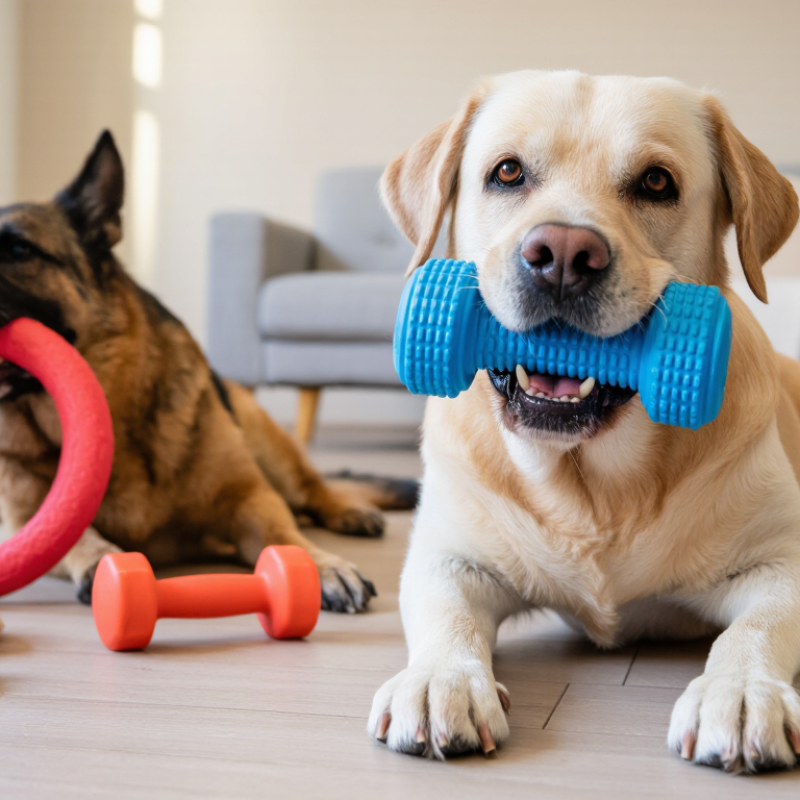
Choosing Top Rated Dog Chew Toys requires more than reading star ratings or attractive product descriptions. A toy that suits a gentle Labrador may fail quickly under a powerful German Shepherd’s bite. Size, material, shape, and chewing strength all matter. A practical choice should match your dog’s jaw size and daily habits.

Look for clearly labeled materials, durable construction, and smooth edges without loose pieces. Rubber toys can provide satisfying resistance, while textured designs may help remove some surface debris from teeth. However, no chew toy replaces brushing or professional veterinary care. A toy should also be large enough to avoid accidental swallowing, but not so large that your dog cannot grip it comfortably.

Watch the first chewing session closely. Good judgment starts there. Check for cracks, sharp fragments, missing pieces, or unusual wear after each use. Replace damaged toys immediately, even when they still look usable. Dogs chew differently, and product claims cannot predict every risk. Some ratings also reflect packaging, shipping, or appearance rather than long-term performance. That deserves careful thought.

Reliable recommendations should consider veterinary advice, manufacturer testing, independent reviews, and real-world durability. They should explain which dogs benefit from each design, not simply declare a single winner. A calm chewer needs a different option from an enthusiastic power chewer. By comparing these details, owners can select a safer, more useful toy that supports enrichment without creating unnecessary hazards.
How to Choose Top Rated Dog Chew Toys?

Understanding the Main Types of Dog Chew Toys

How to Choose Top Rated Dog Chew Toys?

Understanding the Main Types of Dog Chew Toys

Choosing a top-rated dog chew toy starts with understanding its material and purpose. Durable rubber toys are flexible, gentle on teeth, and useful for strong chewers. Many can hold soft food, keeping dogs occupied during quiet indoor time. However, rubber is not automatically safe. A cracked toy can hide sharp edges or loose pieces.

Nylon and other firm synthetic chews usually last longer than rubber. They suit powerful chewers but may be too hard for puppies or dogs with sensitive teeth. A simple test helps: if your fingernail cannot leave a mark, the toy may be excessively hard. Teeth can break.

Rope toys support interactive pulling and may help rub away surface debris from teeth. Still, loose fibers can be swallowed, especially after repeated chewing. Edible chews offer taste and short-term engagement, but they require careful size selection and supervision. Puzzle-style chew toys combine chewing with problem-solving, although frustrated dogs may bite them aggressively.

Match the toy to your dog’s age, jaw strength, chewing style, and size. A small toy can become a choking hazard for a large dog. A large, rigid toy may discourage a tiny puppy. Inspect every toy before and after use. I sometimes overestimate durability when a toy looks thick, so replacing it early is wiser than trusting its appearance. Veterinary advice is valuable when a dog has dental disease, unusual chewing habits, or a history of swallowing objects.

Matching Chew Toys to Your Dog’s Size and Chewing Style

How to Choose Top Rated Dog Chew Toys?

Matching Chew Toys to Your Dog’s Size and Chewing Style

A top rated dog chew toy should fit your dog, not just look attractive online. Measure your dog’s weight, jaw size, and chewing strength before buying. The toy should be larger than the dog’s muzzle. It must not fit fully inside the mouth. Small toys can create a serious swallowing risk, especially for large dogs that chew quickly.

Consider your dog’s chewing style. Gentle chewers may prefer softer rubber or flexible fabric toys. Moderate chewers often need firm rubber with textured surfaces. Powerful chewers require durable designs, but extremely hard materials may damage teeth. Veterinary dental guidance commonly recommends avoiding objects that cannot bend slightly or show a small indentation. Puppies need softer options during teething. Older dogs may need easier textures because their teeth and gums can be sensitive.

I once chose a toy based only on its impressive toughness. My dog ignored it, then cracked a smaller toy within minutes. That mistake taught me to watch behavior, not advertisements. Inspect every toy before and after use. Remove loose threads, sharp edges, or missing pieces immediately. Supervise the first several chewing sessions, even with a well-reviewed product. A toy that suits one dog may fail badly with another. Rotate several appropriate shapes and textures, while keeping the most damaged one out of reach.

Evaluating Toy Safety, Materials, and Durability

How to Choose Top Rated Dog Chew Toys?

Choosing a top-rated dog chew toy starts with safety, not popularity. During daily play, watch how your dog bites, twists, and carries it. The toy should match your dog’s size, chewing strength, and play style. Small parts, sharp edges, loose threads, and cracks require immediate attention. Even a durable toy can become unsafe after one determined session. I once underestimated a strong chewer and waited too long to replace a damaged toy. That mistake changed how carefully I inspect toys.

Materials matter as much as design. Firm rubber may suit many dogs, while softer materials can tear quickly under powerful chewing. Nylon toys may last longer, but worn edges can scrape gums or break into pieces. Choose products with clear material information and avoid strong chemical smells, peeling coatings, or uncertain fillers. No chew toy is indestructible. Veterinary professionals or qualified canine behavior experts can offer useful guidance for dogs with unusual chewing habits. Still, professional advice cannot replace regular inspection at home.

Tips: Select the correct size. Supervise active chewing. Check the toy after every session. Replace it when damaged. I sometimes focus too much on durability, but comfort and safe handling matter just as much.

Checking Design Features for Comfort and Enrichment

How to Choose Top Rated Dog Chew Toys?

A top-rated chew toy should feel comfortable before it looks exciting. Check for rounded edges, smooth seams, and a texture that gives slightly under pressure. Very hard materials may damage teeth, especially when a dog chews forcefully. The Veterinary Oral Health Council recommends considering tooth safety, not only durability.

Size matters too. The toy should be larger than your dog’s throat and easy to hold between the front paws. Hollow spaces, ridges, and treat pockets can add mental stimulation. These features encourage licking, pawing, and problem-solving instead of repetitive chewing. The American Pet Products Association’s 2023–2024 National Pet Owners Survey counted 65.1 million U.S. dog-owning households. That wide population includes puppies, seniors, anxious chewers, and gentle players. One design cannot suit them all.

Tips: Press the toy with your thumb. It should flex slightly, but not crumble. Watch the first ten minutes of use. Remove it when pieces loosen, edges sharpen, or the toy becomes small. Match the texture to your dog’s teeth and chewing style.

I once preferred the toughest toy available. That choice was not always wise. A softer, replaceable toy may provide safer enrichment than a rigid one. PDSA’s 2024 Animal Wellbeing Report identifies excess weight as a continuing canine welfare concern, so calorie-free play features can support healthier routines. Still, enrichment is personal. Observe your dog, record what works, and reconsider the design when behavior changes.

Choosing, Introducing, and Replacing Chew Toys Wisely

How to Choose Top Rated Dog Chew Toys?

Choosing, Introducing, and Replacing Chew Toys Wisely

A top-rated chew toy should fit your dog’s size, bite strength, and chewing habits. The American Pet Products Association reported 65.1 million U.S. dog-owning households in its 2023–2024 survey. That popularity does not make every toy safe. Choose a toy too small, and a strong chewer may swallow broken pieces. Choose one too hard, and teeth may suffer. If it cannot yield slightly under a fingernail, I usually skip it.

Watch the first session. Stay close. Let your dog sniff and carry the toy before encouraging chewing. Avoid forcing it into the mouth. A calm introduction works better than sudden excitement. I once selected a “durable” chew based only on its label. My dog cracked it within minutes. The label was not enough. Inspect the toy after every use, especially around seams, squeakers, and softened edges. Remove it when pieces loosen, fibers fray, or its size becomes swallowable.

Chewing is not dental care. The Veterinary Oral Health Council explains that accepted dental products must demonstrate plaque or tartar control through testing. Still, a toy cannot replace brushing or veterinary examinations. Edible chews also need portion awareness. The Association for Pet Obesity Prevention estimated that 59% of U.S. dogs were overweight or obese in 2022. Count chew calories as food, not entertainment. Replacing a toy early may feel wasteful, but a damaged toy costs more when safety is ignored.

How to Choose Top Rated Dog Chew Toys

Choosing, introducing, and replacing chew toys wisely

This checklist summarizes practical safety checks: select an appropriate size and design, introduce the toy under supervision, inspect it regularly, and replace it when it becomes damaged or small enough to swallow. The values show the number of checks in each stage, not survey results.