Buying a Toy Cavoodle should begin with health, not a fluffy face or an urgent sales pitch. A trusted breeder welcomes questions, shares verifiable health records, and discusses the puppy’s parents honestly. This guide explains how to assess those details before choosing a puppy. It focuses on practical checks, veterinary guidance, and responsible decision-making.
Look for documented veterinary examinations, vaccination and parasite-control records, and screening relevant to Cavalier King Charles Spaniels and Poodles. Ask which tests were completed, when, by whom, and what the results mean. A careful breeder should explain patella, eye, heart, and inherited-disease screening without making unrealistic promises. “Healthy” is not a permanent guarantee. Puppies can still develop conditions later.
Observe where the puppies grow. Clean bedding, safe exercise space, gentle handling, and relaxed interaction can reveal daily care. Meet the mother if possible, and notice her body condition and temperament. The father may be absent, which is not automatically concerning, but his health records should remain available. Do not rely on photographs alone.
A reliable breeder will ask about your home, schedule, experience, and plans for veterinary care. That conversation matters. It shows whether puppy welfare comes before a quick sale. Request a written agreement covering identification, health information, support, and return arrangements. Take time to compare breeders and consult an independent veterinarian. Walk away from pressure. Charming introductions can hide unanswered questions. Healthy buying requires patience, evidence, and a willingness to reconsider.
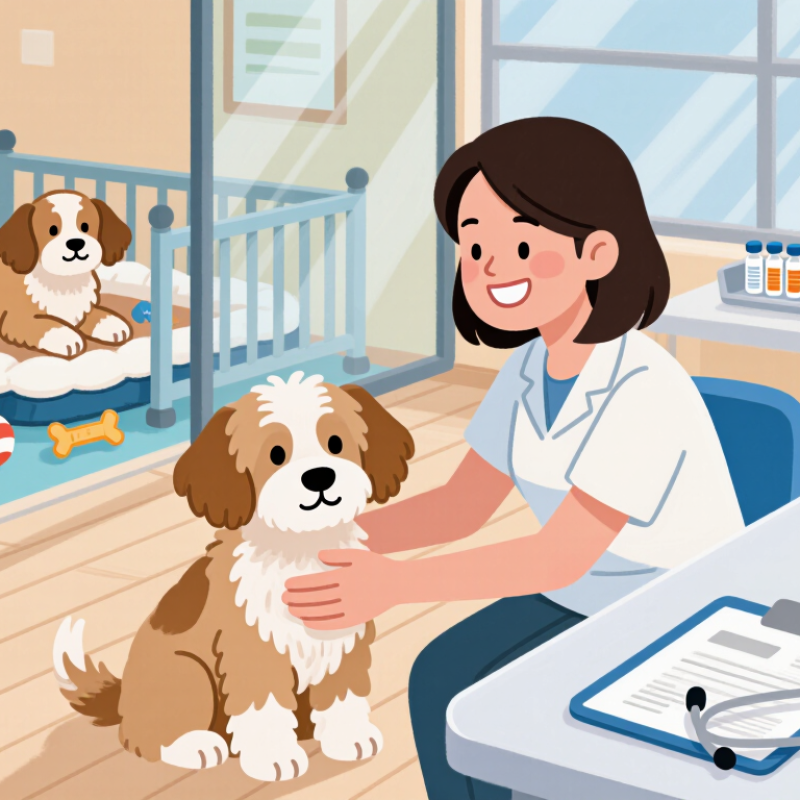
A healthy Toy Cavoodle needs more than a charming face. Ask for veterinary records, vaccination details, parasite treatment, and health screening for both parents. Responsible breeders should discuss inherited concerns, including kneecap problems, eye disease, dental crowding, and heart conditions. A written contract should explain ownership, health support, and return arrangements clearly.
Watch the puppies in a clean, home-like environment. Healthy puppies usually have bright eyes, clean ears, soft coats, and steady movement. They should show curiosity without constant panic. Temperament matters just as much. A confident puppy may approach visitors, recover after a small noise, and accept gentle handling. Do not choose the most energetic puppy automatically. Calm can be valuable.
Care requirements are easy to underestimate. Toy Cavoodles need daily brushing, regular professional grooming, measured meals, and safe exercise. Their small size does not remove their need for training. Short sessions can prevent barking, fear, and separation problems. Ask how the litter has experienced household sounds, car rides, children, and crate time.
No breeder can promise perfect health. That matters. I would remain cautious when anyone offers certainty or pressures a quick payment. A breeder who welcomes questions, shares limitations, and recommends an independent veterinary examination is easier to trust. Still, records can be incomplete, and first impressions can mislead. Take time, compare evidence, and notice how the adult dogs behave.

How to Buy a Healthy Toy Cavoodle from a Trusted Breeder?
Find and compare ethical Cavoodle breeders before choosing a puppy. Start with health evidence, not photographs or charming promises. Ask for verifiable records from recognised veterinary laboratories. Cavalier King Charles Spaniels and Poodles can inherit heart, eye, hip, patella, and dental problems. The Orthopedic Foundation for Animals maintains over one million searchable health records, showing why documented testing matters.
Compare breeders using the same questions. Have both parents received heart, eye, patella, and hip evaluations? Can you meet the mother in her home environment? Are the puppies raised around household sounds, gentle handling, and clean sleeping areas? Responsible breeders should explain vaccination dates, parasite treatment, microchipping, and veterinary examinations. The Royal Veterinary College’s VetCompass research identifies ear disease and periodontal disease among frequent concerns in small companion dogs. Ask how the breeder manages those risks, rather than accepting “healthy” as proof.
Visit in person if possible. Notice fresh water, relaxed puppies, clear eyes, and clean ears. A breeder refusing records deserves caution. I would also ask for a written contract and a realistic return policy. Still, no screening removes every genetic risk. That is an uncomfortable truth. Even careful comparisons can miss poor socialisation or hidden family history. Take time, verify documents, and let a qualified veterinarian review the puppy before purchase.
| Comparison area | What a responsible breeder should provide | Evidence to request | Assessment |
|---|---|---|---|
| Health testing of parent dogs | Uses health-screened Cavalier King Charles Spaniels and Toy or Miniature Poodles before breeding. | Current certificates or veterinary reports for heart, eye, patella, and hip or elbow evaluations, plus relevant DNA tests. | Essential |
| Cardiac screening | Provides documented heart examinations because Cavalier King Charles Spaniels can be affected by inherited mitral valve disease. | A dated examination by a qualified veterinarian, with specialist assessment where indicated. | Essential |
| Eye examination | Screens breeding dogs for inherited and other eye conditions before mating. | An ophthalmic examination report completed within the interval recommended by the examining organisation or veterinarian. | Essential |
| Patella, hip, and elbow checks | Uses physical and, where appropriate, radiographic evaluations to reduce the risk of inherited joint problems. | Official scoring documents or veterinary records identifying the dog, examination date, and results. | Essential |
| DNA testing | Tests for inherited conditions relevant to both parent breeds and uses the results in mating decisions. | Laboratory reports showing the registered identification of each parent and clear, carrier, or affected status. | Essential |
| Puppy veterinary care | Has every puppy examined by a veterinarian before collection and provides an individual medical record. | Written examination findings, vaccination or medication records, microchip details where applicable, and parasite-treatment dates. | Essential |
| Age at rehoming | Does not send puppies to new homes too early and follows local animal-welfare requirements. | The puppy’s date of birth and planned collection date, confirmed in the written agreement. | Essential |
| Socialisation programme | Raises puppies in a clean home or suitable environment with gradual exposure to people, handling, household sounds, grooming, and safe surfaces. | A clear description of daily routines, early handling, enrichment, and how fearful or sensitive puppies are supported. | Important |
| Living conditions | Allows prospective owners to see the mother, the litter, and the environment, either in person or through a verifiable live video visit. | A tour showing clean bedding, fresh water, safe exercise areas, temperature control, and normal interaction with the mother. | Important |
| Temperament matching | Discusses the household, activity level, children, other pets, grooming expectations, and desired temperament before recommending a puppy. | A written puppy profile or conversation covering energy level, confidence, sociability, and known sensitivities. | Important |
| Written contract | Uses a transparent contract covering identification, health disclosures, buyer responsibilities, and return or rehoming arrangements. | A copy of the contract provided before any non-refundable payment is made. | Essential |
| Lifetime support | Remains available for guidance and requires the dog to be returned or safely rehomed if the owner can no longer provide care. | Specific contact arrangements and a clearly written lifetime return or rehoming policy. | Important |
| Warning signs | Avoids health-test questions, refuses visits, offers many unrelated breeds, pressures buyers to pay quickly, or cannot show the mother and original records. | Verify documents independently and pause the purchase if information is inconsistent or unavailable. | Do not proceed |
Note: Health-test requirements vary by country and by the parent breeds used. Ask an independent veterinarian which examinations and genetic tests are appropriate before placing a deposit.
How to Buy a Healthy Toy Cavoodle from a Trusted Breeder?
Verify Health Testing, Veterinary Records, and Breeding Standards
A healthy Toy Cavoodle begins with verified parent health testing, not attractive photographs. Ask for dated reports from qualified veterinary laboratories. Useful checks may include patella, eye, heart, hip, and breed-related genetic screening. Testing should cover both parents. A single certificate proves little.
Request the puppy’s complete veterinary record before making a commitment. It should show examinations, vaccinations, parasite treatments, microchip details, and the veterinarian’s contact information. Call the clinic independently. Confirm that the record matches the puppy’s identification and birth date. Do not accept unclear screenshots or verbal promises.
Breeding standards matter every day. Visit the home or request a live video tour. Notice clean bedding, fresh water, safe space, and calm, curious puppies. The breeder should explain socialisation, feeding, early training, and the puppy’s return policy. They should also ask questions about your household, not rush payment. I once focused too much on friendly communication and overlooked missing test dates. That was a useful warning. Good breeders welcome careful questions, admit possible health risks, and never promise a perfect dog. Vet records can be genuine yet incomplete, so an independent examination after purchase remains sensible.
How to Buy a Healthy Toy Cavoodle from a Trusted Breeder?
A healthy Toy Cavoodle should look bright, curious, and comfortable around people. Check clear eyes, clean ears, a soft coat, and steady movement. The puppy should breathe quietly and show no constant coughing, trembling, or discharge. Ask to see the mother, because her health and temperament offer useful clues. A responsible breeder should provide vaccination details, worming records, microchip information, and recent veterinary checks. Do not rely on photographs alone.
The environment matters just as much. Puppies should live in a clean, warm area with fresh water, safe bedding, and enough space to move. Notice the smells, noise levels, and how puppies react when visitors enter. Early socialization may include gentle handling, household sounds, short play sessions, and contact with different safe surfaces. A well-socialized puppy may still feel shy. That is normal. However, extreme fear, dullness, or repeated hiding deserves careful attention. I once underestimated a quiet puppy’s anxiety; calm behavior is not always confidence.
Tips: Ask how often each puppy is handled. Request details about diet and sleep routines. Watch the breeder interact with the litter. Do they handle puppies patiently? Can they explain health screening clearly? A trusted breeder will answer without rushing you. Take time to reflect before choosing. The most playful puppy may not suit every home. A veterinary examination soon after purchase can reveal concerns that are difficult to notice during a brief visit.
How to Buy a Healthy Toy Cavoodle from a Trusted Breeder?
Complete the Purchase Responsibly and Prepare for Lifelong Care
A responsible purchase begins with evidence, not an adorable photograph. Ask to see the parents’ veterinary records and breed-relevant screening results. These should include heart, eye, hip, and patella evaluations, plus documented DNA testing. A puppy should have vaccination records, parasite treatment details, a permanent identification method, and a written sales agreement. Arrange an independent veterinary examination soon after collection. No checklist is perfect. I would still question any breeder who discourages this step.
Plan for the whole lifetime, not only the first week. Toy Cavoodles often need daily coat brushing, regular professional grooming, careful dental care, and gentle socialisation. Their small size can hide painful dental disease or fragile joints. Royal Veterinary College VetCompass research, covering more than 455,000 dogs, recorded periodontal disease in 12.2% of dogs and otitis externa in 10.2%. Those figures make routine mouth and ear checks practical, not excessive. The 2023–2024 National Pet Owners Survey reported 65.1 million United States households owning dogs, yet ownership numbers do not measure preparedness. Build a realistic budget for food, grooming, training, insurance, and unexpected treatment. Reconsider the plan if those costs feel uncomfortable. A healthy puppy still needs years of patient care.
Use this puppy-care timeline when reviewing breeder records, planning collection, and preparing for lifelong care. Age ranges are general veterinary guidance; vaccination and legal requirements may vary by location.
Before paying a deposit, ask for verifiable parent health-screening records, veterinary examination details, vaccination and parasite-treatment history, identification information, and a written sales agreement. Socialization should begin early, core vaccinations are normally given as a series, and rabies timing must follow local law and veterinary advice.